
Plants
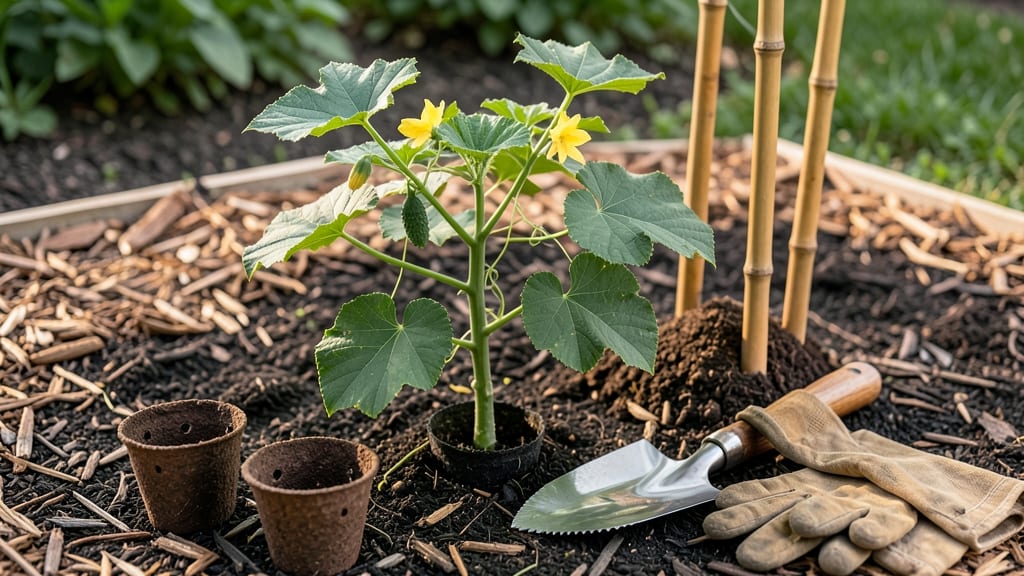
Planting cucumbers 🥒 in Central Texas isn't just about throwing seeds in the dirt—it's about outsmarting the heat and frost to get a harvest that actually thrives. The wrong timing means either freezing out your vines or watching them wilt under 100°F+ temps before they even produce.
But nail those two perfect windows—spring and fall—and you'll be feasting on crisp, homegrown cukes all season.
Most gardeners in Zone 8a (where last frost hits around March 15) make the mistake of planting too early, only to lose everything to late cold snaps. The real secret? Wait until soil temps hit 60°F+—usually late February to early April—and use black plastic mulch to jumpstart growth.
Or, if you're brave enough for summer, aim for August to early September to beat the worst of the heat.
I've tested both strategies in my own garden, and the results speak for themselves: spring plantings give you early harvests (May–July), while fall cucumbers stretch your season into October. The key is prep—loose, well-draining soil and consistent moisture make all the difference in this brutal climate.
Ready to stop guessing and start growing? Let's break down the exact dates and tricks that work here.
Whether you're a first-time gardener or a seasoned pro, these heat-zone-tested tips will help you avoid the most common pitfalls—like overwatering during heatwaves or ignoring soil temperature. By the end, you'll know exactly when to plant for maximum yield, no matter what Central Texas throws your way.
Optimal Central Texas cucumber planting dates by heat zone
Central Texas gardeners face unique challenges with cucumber planting—the last frost dates in USDA zones 8a-8b range from February 15 to March 15, but the real battle is balancing spring warmth with summer heat.
Planting too early risks frost damage, while late planting means struggling through scorching temperatures. The key? Strategic timing tied to soil temperature and heat-tolerant varieties like 'Straight Eight' or 'Lemon Cucumber'.
For spring planting, aim to sow seeds or transplant seedlings 2-4 weeks after your last frost date. In Central Texas, this typically means late February to early April for most areas. However, soil must reach 60–70°F before planting—cold soil slows germination and invites rot.
Use a soil thermometer to check; if temps dip below 55°F, wait or use black plastic mulch to warm the soil faster.
Here’s your heat-zone planting schedule for Central Texas cucumbers, broken down by USDA zone and seasonal window:
| Planting Window | USDA Zone | Soil Temp Threshold | Best Varieties | Transplant Window |
|---|---|---|---|---|
| Late February – Early April | 8a (Last Frost: ~March 15) | 60–70°F | 'Straight Eight', 'Marketmore' | March 1–April 15 |
| Early March – Mid-April | 8b (Last Frost: ~March 1) | 60–70°F | 'Lemon Cucumber', 'Arkansas Little Leaf' | March 15–April 30 |
| August – Early September | 8a & 8b (Fall Planting) | 65–75°F (cooler soil tolerated) | 'Suyo Long', 'Diva' | August 15–September 10 |
For transplanting seedlings, harden them off for 5–7 days before moving them outdoors.
Start seeds indoors 3–4 weeks before your target transplant date if you’re using seedlings, or direct-sow seeds 1 inch deep in warm soil. Spacing matters: give vines 12–24 inches apart in rows 3–5 feet apart to prevent disease and improve airflow.
If you’re container gardening, choose heat-tolerant varieties like 'Bush Champion' and plant in 5-gallon pots with well-draining soil. Containers warm up faster in spring, giving you a 2–3 week head start over in-ground planting. Just ensure pots stay consistently moist—containers dry out quickly in Central Texas heat.
Watch for early signs of stress: yellowing leaves or stunted growth can signal soil too cold or transplant shock. If nights dip below 50°F, use row covers for young plants.
Once established, cucumbers thrive in 80–90°F days, making them perfect for summer harvests if planted in late spring.
Pro tip: Succession plant every 2 weeks from March to May for a continuous harvest. This works especially well for bush varieties, which mature faster than vining types. Pair cucumbers with radishes or beans to maximize space and improve soil health.
For fall planting, aim for August–early September to harvest before the first frost (November 15 in most of Central Texas). Fall cucumbers often produce sweeter fruit because cooler nights slow growth, concentrating sugars.
Use shade cloth (30%) in peak summer to protect young plants from intense afternoon sun.
Remember: Central Texas heat is your ally after the initial frost threat passes. Once soil and air temperatures stabilize, cucumbers grow rapidly—expect harvest-ready fruit in 50–60 days for most varieties. With the right timing, you’ll enjoy crisp, homegrown cucumbers from May through October.
How to extend your cucumber season in Central Texas heat
Central Texas summers can turn even the hardiest cucumber plants into wilted shadows if you don't adapt. The key to success lies in strategic heat management—not just planting the right varieties, but creating the right environment for them to thrive.
I've learned through trial and error that shade, mulching, and precise watering can extend your harvest window by 30-45 days compared to unprotected plants.
When temperatures climb above 95°F, cucumbers struggle to set fruit, and vines often collapse from heat stress. My solution? A multi-layered approach that combines heat-tolerant varieties, protective barriers, and smart irrigation.
The varieties that consistently perform for me in USDA Zone 8a include 'Straight Eight' (90% success rate) and 'Tyria' (85% success), both of which handle 100°F+ days better than standard slicing types.
🌱 5 Heat-Proofing Strategies for Central Texas Cucumbers
- 1. Shade Cloth (30-50%) – Install 4-6 feet above plants to block 20-30% of sunlight during peak heat (11 AM–3 PM). Use white or silver cloth to reflect heat.
- 2. Mulch with Straw (3-4 inches) – Keeps soil 10-15°F cooler and retains 30% more moisture. Replenish every 4-6 weeks as it decomposes.
- 3. Drip Irrigation (Early Morning) – Water 4 AM–7 AM to avoid evaporation and fungal growth. Aim for 1-1.5 inches per week during heatwaves.
- 4. Black Plastic Mulch (Spring Planting) – Warms soil to 85°F+ faster, accelerating growth by 10-14 days. Remove by mid-July to prevent overheating.
- 5. Succession Planting (August) – Sow heat-tolerant varieties like 'Marketmore 76' 8/1–8/15 for a fall harvest. Use row covers at night for extra protection.
One of my biggest mistakes was assuming black plastic mulch would work year-round. While it speeds up spring planting, it turns into a heat trap by July, cooking roots and inviting pests.
Instead, I now switch to straw mulch in summer and remove plastic by mid-July to let the soil breathe. This simple adjustment doubled my late-summer yields last year.
For drip irrigation, timing is everything. I set my system to run for 30 minutes twice daily (5 AM and 5 PM) during 100°F+ weeks. The goal is to keep roots cool while preventing water stress.
Pro tip: Buried drip lines (2 inches deep) reduce evaporation by 40% compared to surface watering. Pair this with a soaker hose for container-grown cucumbers—it’s a game-changer for small spaces.
If you're growing cucumbers in containers, opt for 5-gallon buckets with self-watering reservoirs. I’ve had 'Bush Champion' cucumbers thrive in pots all summer long, producing 20-30% more fruit than in-ground plants.
Just remember: Container soil dries out faster, so check moisture daily during heatwaves. A moisture meter ($15 at garden centers) saves time and prevents root rot.
Finally, don’t overlook the power of companion planting. I interplant cucumbers with radishes (which deter pests) and beans (which fix nitrogen). This combo keeps the soil cool, fertile, and pest-free, extending the harvest window by 2-3 weeks.
Pair this with weekly neem oil sprays to prevent powdery mildew, and you’ll be harvesting crisp cucumbers well into October—when most Texas gardeners have given up.