
Plants
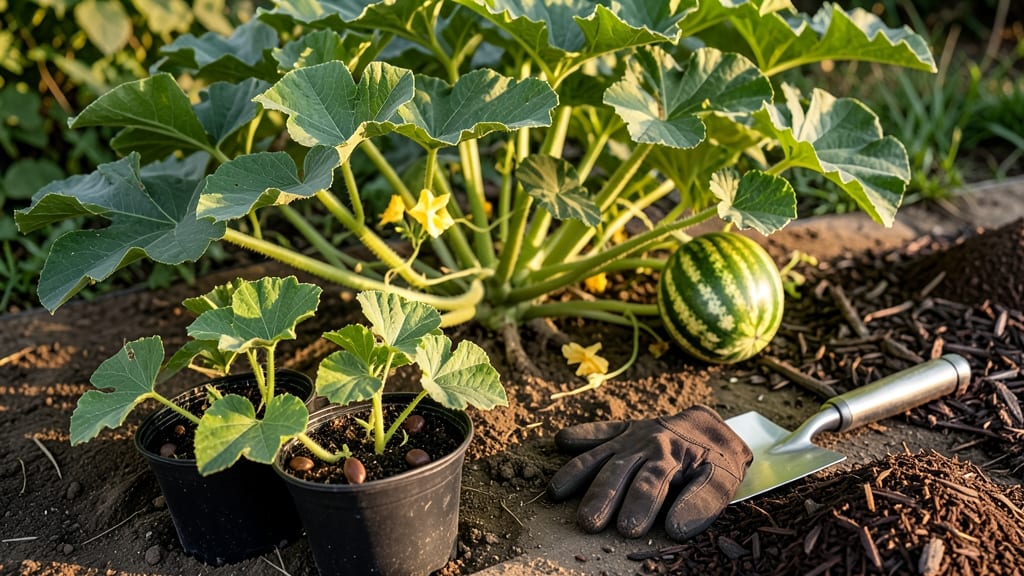
When is the best time to plant watermelon in Texas? If you’ve ever wondered why your watermelons turn out small, bitter, or fail entirely, the answer likely lies in timing—beating the heat and frost to grow those sweet, juicy 🍉 fruits. Planting watermelons in Texas isn’t just about tossing seeds into the dirt and hoping for the best—it’s about strategizing to avoid frost-nuked vines or struggling to mature before summer’s brutal peak, leaving you with underwhelming results.
I’ve grown watermelons across Texas’ diverse zones, and the difference between a great harvest and a disappointing one often comes down to when you put those seeds in the ground.
Whether you’re in North Texas’ cooler springs or South Texas’ early starts, knowing the exact window to plant can mean the difference between a garden full of ripe melons and one full of wilted vines.
In this guide, I’ll break down the best months to plant watermelons in your specific Texas region, from North to South, so you can time your planting for zero-frost success.
You’ll learn how to prep your soil, choose the right varieties, and avoid common mistakes that kill yields—so you can enjoy homegrown watermelons all summer long.
Ready to turn your Texas garden into a watermelon paradise? Let’s get started with the month-by-month timeline that actually works for Lone Star State growers.
Texas watermelon planting calendar: month-by-month frost-free timeline
Timing your watermelon planting in Texas is all about avoiding late frosts while giving vines enough time to mature before summer’s brutal heat. The Lone Star State’s diverse climate—from North Texas’ chilly springs to South Texas’ early warm spells—means your planting window varies dramatically by region.
For example, gardeners in Zone 8a (like Dallas) face March 15 last-frost dates, while those in Zone 10b (Houston) can start as early as February 1. The key is planting when soil temperatures hit 70°F (21°C) and counting back 70–90 days to harvest.
Watermelons are heat-loving plants, but they hate cold soil. Planting too early in North Texas risks frost damage, while starting too late in Central or South Texas may leave your crop struggling in 100°F+ summer heat.
The ideal window balances these extremes: mid-March to early May for northern regions and February to early April for southern areas. Below, we break down the month-by-month timeline by region, including soil prep tips and heat tolerance strategies to maximize your yield.
| Region | Last Frost Date | Optimal Planting Window | Soil Temp for Germination | Heat Tolerance Notes |
|---|---|---|---|---|
| North Texas (Zones 8a-8b) | March 15 | Mid-March to early May | 70°F (21°C) | Use black plastic mulch to warm soil; avoid planting after May 15 to prevent heat stress. |
| Central Texas (Zones 8b-9a) | February 15 | Late February to early April | 68°F (20°C) | Plant early varieties like 'Sugar Baby' for faster maturity; shade cloth helps in peak summer. |
| South Texas (Zones 9b-10b) | January 15 | February to early April | 65°F (18°C) | Year-round potential; focus on heat-tolerant varieties like 'Crimson Sweet' and mulch heavily. |
For North Texas gardeners, the March 15 last-frost date is your benchmark. Start seeds indoors in late February to transplant by mid-April, or direct-sow after the frost date. Use black plastic mulch to raise soil temperatures quickly—this can shave off 1–2 weeks of waiting.
If you’re in Zone 8a, avoid planting after May 15, as vines may struggle to mature before summer’s 100°F+ heat sets in. Instead, opt for early-maturing varieties like 'Black Diamond' (65–70 days to harvest).
In Central Texas, where the last frost typically hits by February 15, you’ve got a slightly longer window. Plant seeds directly in late February or start indoors in January for an earlier harvest.
The region’s hot summers mean you’ll want to prioritize shade cloth or drip irrigation to prevent vines from wilting. Varieties like 'Charleston Gray' (80–85 days) thrive here if planted by early April.
Pro tip: Trellis your vines to save space and improve air circulation, reducing fungal risks in the humid summers.
South Texas offers the most flexibility, with frost-free winters in many areas. You can plant year-round in Zone 10b, but aim for February to April to align with natural rainfall patterns. Soil warms quickly here, so direct-sow seeds as soon as temperatures hit 65°F (18°C). Heat-tolerant varieties like 'Crimson Sweet' or 'Jubilee' perform best, and mulching with straw helps retain moisture during the dry season. Just be mindful of pests like cucumber beetles, which thrive in warm climates—use row covers early in the season to protect seedlings.
One common mistake Texas gardeners make is planting too late to account for slow germination in cool soil. Watermelon seeds need 70°F+ soil to sprout reliably, and temperatures below that can delay emergence by 1–2 weeks.
To test soil warmth, press a thermometer 2 inches deep—if it reads below 70°F, wait another week or use heat mats for containers. Another trick? Plant seeds 1 inch deep in warm soil and cover with black plastic to speed up germination.
This is especially critical in North Texas, where spring temperatures can fluctuate wildly.
If you’re pushing the limits—like planting in May for a fall harvest—choose heat-tolerant varieties and focus on soil moisture. Late-season plantings in Central
How to extend your Texas watermelon season: cold-hardy varieties and season-starting tricks
Texas springs can be a double-edged sword for watermelon growers. One week you’re battling frost, and the next, the sun is scorching. To beat this unpredictability, I’ve learned to use cold-hardy varieties and protective growing methods that give my plants a fighting chance.
The key is starting early without risking frost damage—especially in North Texas zones where late frosts can linger into April.
For gardeners in USDA zones 8a-9a, the window between frost risk and summer’s peak heat is narrow. That’s why I focus on varieties like 'Sugar Baby' and 'Crimson Sweet', which tolerate cooler soils and still produce sweet fruit.
Pair these with season-extending tricks, and you can enjoy watermelons earlier and longer than traditional planting schedules allow.
Here’s my step-by-step guide to extending your Texas watermelon season using cold frames, row covers, and smart transplanting:
-
🌱 Start Seeds Indoors
Begin 6-8 weeks before your last frost date. Use biodegradable pots to avoid root disturbance when transplanting. -
🌡️ Warm the Soil
Use black plastic mulch 2 weeks before planting to raise soil temps to 70°F+. This jumpstarts germination in cooler springs. -
🛡️ Protect with Row Covers
After transplanting, cover young plants with floating row covers until nighttime temps stay above 50°F. Remove during the day for sunlight. -
✂️ Transplant Strategically
Choose overcast days to reduce transplant shock. Harden off seedlings for 7-10 days before moving them outside. -
🌿 Choose Cold-Tolerant Varieties
Opt for 'Sugar Baby' (70-day harvest) or 'Crimson Sweet' (80-day harvest). Both handle cooler soils better than traditional varieties.
One trick I swear by is using cold frames for early starts. These low-cost structures can add 10-15°F of warmth, letting you plant 3-4 weeks earlier than the traditional window.
Just ensure good airflow to prevent fungal issues. For North Texas gardeners, this means you can plant by early March instead of waiting for April.
Remember, the goal is to beat the heat, not fight it. By starting early with protective methods, your watermelons will establish strong roots before summer’s peak arrives. This gives you a longer harvest window and sweeter fruit—because nothing beats a homegrown watermelon on a Texas summer day. 🍉