
Plants
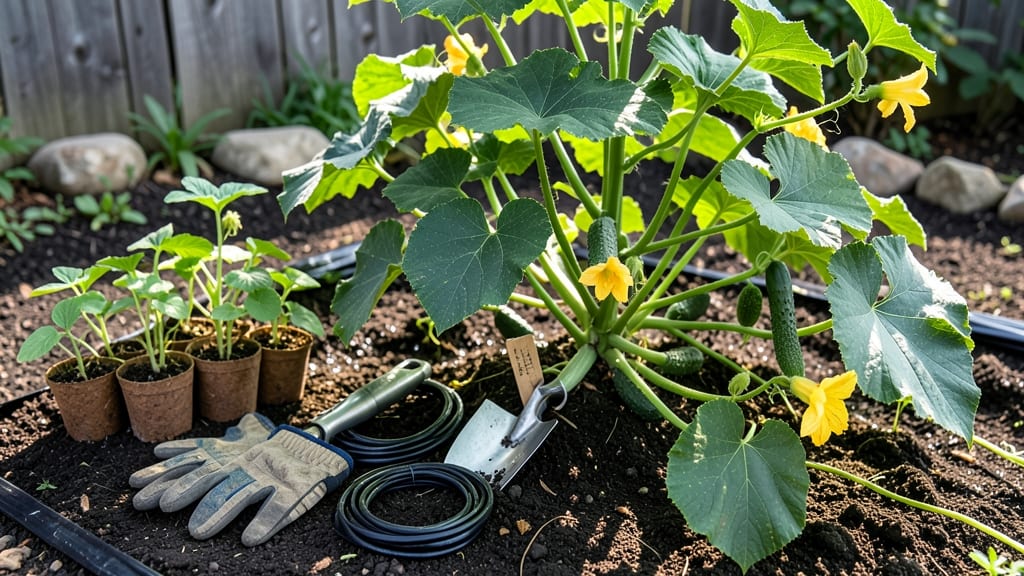
Planting cucumbers in North Carolina at the wrong time can mean the difference between a bountiful harvest and wasted effort—especially when your 🥒 plants face frost or scorching summer heat.
The key to success lies in timing it just right, whether you're in the cooler mountains or the warmer coastal plains.
Most gardeners in USDA zones 6b-8a know that cucumbers thrive in warm soil, but did you know the ideal window shifts dramatically depending on your region?
In the Piedmont, you’ve got a 6-week span between mid-April and late May to get seeds in the ground, while coastal gardeners can start as early as March 15—if they’re brave enough to risk a late frost.
But here’s the catch: waiting too long means missing the sweet spot for a fall harvest. I’ll break down the exact planting dates for your area, plus pro tips to stretch your growing season so you can enjoy fresh 🥒 cucumbers from June all the way through October.
Ready to avoid common mistakes and maximize your yield? Let’s dive into the best times to plant, how to prep your soil, and what to watch for once those vines start climbing.
North Carolina cucumber planting dates by region: frost-free zones explained
North Carolina’s three distinct regions—Mountains, Piedmont, and Coastal Plain—each have unique frost-free dates that dictate when to plant cucumbers. Since cucumbers thrive in soil temperatures between 45-55°F and can’t tolerate frost, timing is everything.
I’ve broken down the exact windows for each zone, plus the USDA hardiness zones that influence your planting schedule.
In the Mountains (zones 6b-7a), where frosts linger longer, you’ll want to wait until mid-to-late May for your first planting. Meanwhile, gardeners in the Coastal Plain (zones 8a-8b) can start as early as March 15, though a late frost is always a risk.
The Piedmont (zones 7a-7b) falls right in the middle, with ideal planting dates spanning mid-April to late May.
Here’s a quick reference table to help you pinpoint the best time to plant in your area, along with soil temperature guidelines and frost-free date ranges:
| Region | USDA Zone | Last Frost Date | First Planting Window | Soil Temp for Planting | Fall Planting Window |
|---|---|---|---|---|---|
| Mountains | 6b-7a | April 15 | Mid-to-late May | 50-55°F | July 15-August 1 |
| Piedmont | 7a-7b | March 15 | Mid-April to late May | 50-55°F | June 15-July 15 |
| Coastal Plain | 8a-8b | March 1 | Late March to early April | 55-60°F | May 15-June 15 |
For mountain gardeners, the later frost dates mean you’ll likely miss the spring planting window if you’re not prepared. Instead, focus on fall plantings starting in mid-July to avoid summer heat stress.
In the Piedmont, you’ve got the best of both worlds with two planting windows: one in spring and another in early summer for a fall harvest.
In the Coastal Plain, where winters are milder, you can even experiment with early spring plantings under row covers if you’re willing to take the risk of a late frost. However, I recommend waiting until mid-April to ensure your plants aren’t damaged.
Coastal areas also benefit from longer growing seasons, so you can push your fall planting as late as mid-June for a late-season harvest.
Pro tip: Use a soil thermometer to confirm your soil is at least 50°F before planting. If it’s cooler, wait a few days or use black plastic mulch to warm the soil faster. This is especially critical in the Mountains, where cooler temperatures can delay planting by weeks.
Once you’ve planted, keep an eye on the 7-day frost forecast to avoid surprises. If frost is predicted within 2 weeks of planting, consider using frost cloth or moving potted cucumbers to a sheltered spot.
In the Coastal Plain, where humidity is higher, also watch for powdery mildew and space plants 2-3 feet apart for better airflow.
Remember, cucumbers are fast growers, with most varieties ready to harvest in 50-60 days. By planting at the right time, you can enjoy fresh cucumbers from June through October, depending on your region.
Start with 1-2 plants per person to avoid overwhelming your harvest, and always choose disease-resistant varieties like ‘Straight Eight’ or ‘Lemon Cucumber’ for NC’s climate.
Need a reminder? Bookmark this guide or save the table for quick reference next season. Happy planting—and may your cucumbers grow big and bountiful! 🥒🌱
How to extend your cucumber growing season in North Carolina
North Carolina’s humid summers and unpredictable springs can make cucumber growing a challenge—but with the right strategies, you can enjoy fresh 🥒 cucumbers from early spring through fall. The key is extending your planting windows using cold-hardy varieties, protective covers, and smart succession planting techniques tailored to your region’s microclimate.
In the Piedmont, where frost lingers until mid-April, you can push your first planting back by 3-4 weeks using row covers or choosing varieties like 'Straight Eight', which tolerates cooler soil better than most.
Meanwhile, coastal gardeners can start as early as March 1, but must be prepared to shield young plants from late frosts with floating row covers or cloches.
For mountain gardeners in USDA zone 6b, where frost can linger until April 15, focus on succession planting in late May and June. Plant 'Armenian cucumbers' like 'Suyo Long'—they’re more cold-tolerant and produce well in shorter seasons.
Pair them with a trellis to save space and improve air circulation, reducing the risk of powdery mildew in NC’s humid summers.
In the Coastal Plain, where humidity peaks in summer, prioritize disease-resistant varieties like 'Suyo Green' and use drip irrigation to keep foliage dry. Avoid overhead watering after 10 AM to prevent fungal issues.
For a fall harvest, sow 'Straight Eight' in early August—it matures in just 50 days and handles the region’s high heat.
Pro tip: If you’re in zone 7b or 8a, don’t overlook container growing. Use 5-gallon pots with self-wateringwicks to grow 'Bush Champion' cucumbers on patios or balconies.
Move containers to full sun spots and bring them indoors if a light frost is forecasted—this buys you 2-3 extra weeks of growing time.
By combining these strategies, you can turn NC’s 200+ frost-free days into a 6-month cucumber harvest. Start with cold-hardy varieties, protect seedlings with covers, and keep planting every 2 weeks for a steady supply.
Just remember: harvest frequently to encourage more production, and always provide trellis support to keep vines off the ground and diseases at bay. 🌱