
Companion Plants
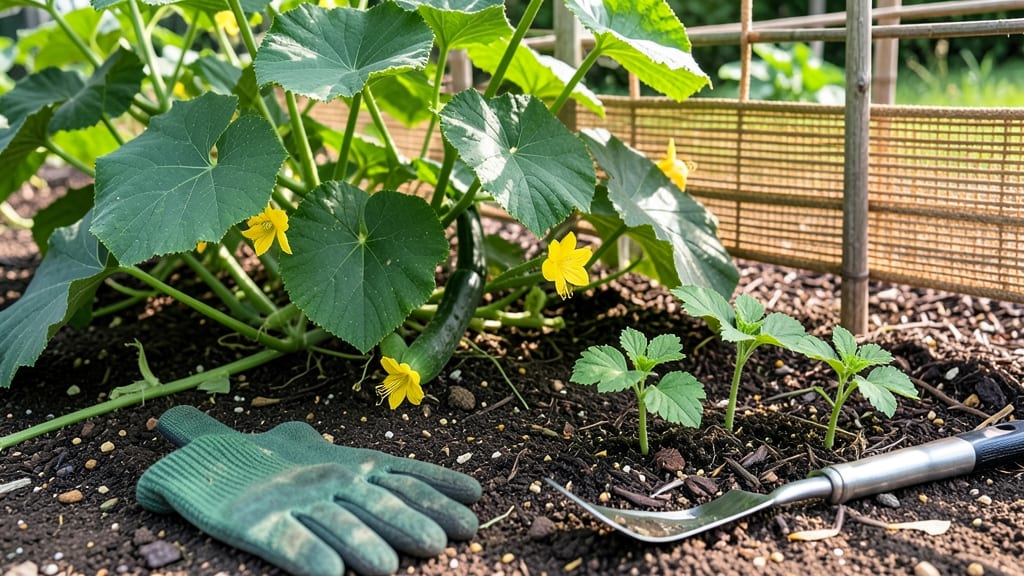
If you’ve ever planted cucumbers 🥒 in San Diego only to watch them bolt before producing a single fruit, you’re not alone—timing is everything in this climate. Unlike other regions, San Diego’s microclimates (coastal fog vs. inland heat) demand precise planting windows to avoid stressing your vines.
Most gardeners assume year-round planting works, but without accounting for soil temperature triggers, you risk stunted growth or bitter fruit. The key is planting when soil hits 60°F+—not just air temperature—and knowing whether to direct sow or transplant based on your zone.
In this guide, I’ll break down the exact months for coastal vs. inland planting, how to extend your harvest season, and why March-April is your sweet spot for zero-frost success. Let’s grow those cucumbers right.
Whether you’re a first-time gardener or a seasoned pro, these local hacks will help you beat the summer slump and enjoy fresh cucumbers from spring through fall.
San Diego’s cucumber planting calendar: exact months by microclimate
San Diego’s Mediterranean climate means cucumbers can grow year-round, but timing is everything. The coastal areas (like La Jolla) stay cooler longer, while inland zones (like Escondido) heat up faster. Plant too early, and your vines will bolt from the heat; too late, and you’ll miss peak harvests.
The key? Understanding your microclimate’s heat triggers—especially when soil temps hit 85°F+.
Unlike colder regions, San Diego’s USDA Zone 10a/b offers zero frost risk, but that doesn’t mean you can plant anytime. Coastal gardens thrive with February–March starts, while inland areas wait until March–April to avoid summer’s brutal heat.
Below, I’ll break down the exact windows, plus how to extend your harvest with succession planting.
| Microclimate | Best Planting Window | Soil Temp Threshold | Heat Risk | Harvest Peak |
|---|---|---|---|---|
| Coastal (Zone 10a) | February–March | 60–65°F | Low (cooler summers) | April–June |
| Inland (Zone 10b) | March–April | 65–70°F | High (90°F+ by May) | May–July |
| Coastal Fall Backup | October | 60–65°F | Low (mild nights) | November–December |
| Inland Fall Backup | September | 65–70°F | Moderate (hot days, cool nights) | October–November |
🌡️ Pro Tip: Use a soil thermometer—cucumbers need 60°F+ to germinate.
For coastal San Diego, think of February as your sweet spot. The ocean breeze keeps temps mild, and you’ll avoid the 85°F+ heat that triggers bolting. Inland areas should wait until mid-March—planting in February risks your seeds rotting in warm but not hot enough soil.
I’ve seen seedlings collapse when soil hits 80°F before they’re ready!
Here’s the golden rule: Direct sow seeds ½ inch deep, 2–3 feet apart, and use black plastic mulch to warm the soil faster. Inland gardeners, shade cloth (30–50%) is your best friend for early plantings—it buys you 2–3 weeks before the summer heat takes over.
I’ve used 30% shade cloth in April and still gotten great yields.
Don’t overlook fall plantings! Coastal areas can sow in October for a winter harvest, while inland gardens hit September. The trick? Choose heat-tolerant varieties like ‘Straight Eight’ or ‘Lemon’, which handle 90°F+ better than standard types.
I’ve grown cucumbers in December on the coast with row covers—they’re slow but productive!
San Diego’s USDA Zone 10a/b might seem frost-free, but microclimates matter. A Valley garden in Zone 10b can hit 100°F by June, while La Jolla stays in the 70s.
Use this heat map trick: Check your local weather station for average highs—plant when average daily temps are 75°F or below for your zone.
One mistake I see often? Overwatering when the soil’s too hot. Cucumbers need 1–2 inches of water weekly, but in 90°F+ heat, water deeply every 2–3 days at dawn.
Use drip irrigation to avoid wetting leaves—fungus gnats love that moisture. I’ve lost entire plants to powdery mildew from overhead watering in July!
Extend your season with succession planting: Sow new seeds every 2 weeks from February to October. This gives you harvests every 6–8 weeks. Pair this with trellising to save space—vertical vines stay cooler and produce longer.
I’ve grown cucumbers in January on the coast with greenhouse row covers—they’re delicious but slower.
Remember: Soil prep is non-negotiable. Amend your beds with compost + mycorrhizal fungi before planting. Cucumbers are heavy feeders, so mix in
Heat zone triggers: how to outsmart San Diego’s summer bolting problem
San Diego’s relentless summer sun can turn cucumber plants into flowering factories overnight—what gardeners call bolting. This happens when vines sense soil temperatures above 60°F and rush to produce flowers instead of fruit.
The key to success? Delaying planting until your microclimate’s heat zone is just right, then using shade and drought-resistant varieties to keep vines productive.
Inland areas like Escondido or Fallbrook hit 90°F+ soil temps by late March, while coastal spots like La Jolla or Encinitas stay cooler for weeks longer. Even a 5°F difference can mean the difference between a bountiful harvest and bitter disappointment.
The solution? Wait for soil to warm gradually and use shade cloth to trick vines into focusing on growth, not reproduction.
- 1 Test soil temps with a soil thermometer—plant only when temps hit 60°F+ at 4" depth (use black plastic mulch to warm soil faster).
- 2 Choose heat-tolerant varieties like ‘Straight Eight’ or ‘Lemon Cucumber’, which thrive in 90°F+ heat without bolting prematurely.
- 3 Use 30% shade cloth for the first 2-3 weeks to reduce stress and delay flowering—remove it gradually as vines mature.
- 4 Water deeply at soil level (not overhead) to avoid leaf stress, which triggers bolting—aim for 1-2 inches of moisture per week.
- 5 Harvest aggressively—pick cucumbers every 2-3 days to signal vines to keep producing, not flowering.
Even with perfect timing, summer heat waves can still trigger bolting. If you see yellow flowers appearing before fruit, act fast: prune the flowers and increase shade to 50% coverage immediately. This buys you 2-3 more weeks of productive growth before the heat becomes too intense.
For fall plantings, aim for late August to early September when daytime temps drop below 85°F.
This gives vines time to establish roots before winter rains arrive. ‘Marketmore 76’ is a great choice for fall—it handles cooler temps better than most varieties while still resisting powdery mildew, a common San Diego summer pest.
Pro tip: Monitor your local heat zone using NOAA’s climate maps—San Diego’s inland valleys can be 10°F hotter than coastal areas by midday. Adjust your planting schedule accordingly, and don’t be afraid to start seeds indoors in early spring for a head start on the season.