
Plants
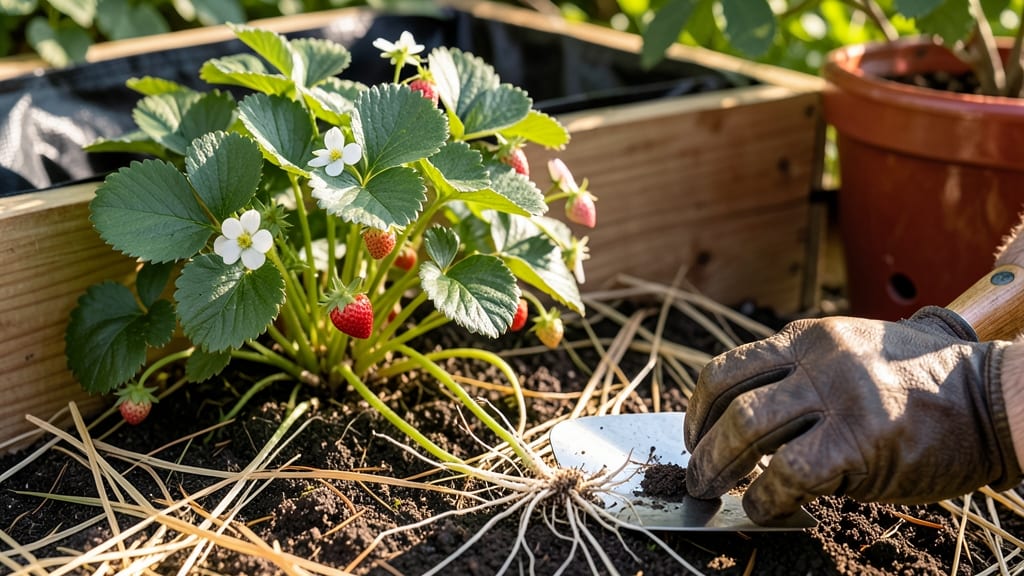
Planting strawberries in Louisiana at the wrong time means watching your 🍓 plants wilt under the relentless summer sun or struggle through unexpected winter chills. Unlike cooler climates, the Bayou State's heat zones 8a-9b demand precise timing to maximize sweet, juicy harvests year-round.
Most gardeners make one of two mistakes: either planting too early in spring when the heat arrives faster than expected, or waiting too long in fall and risking frost damage before the plants establish roots.
The ideal window is actually a two-part strategy—September-October for fall planting and February-March for spring—tailored to Louisiana's unique microclimates from Shreveport to New Orleans.
Why does timing matter so much? Because strawberries are sensitive to extreme temperatures, and Louisiana's climate swings from 90°F summers to occasional winter dips below 32°F.
I'll break down the exact months that work best in your specific heat zone, plus how to choose between June-bearing and everbearing varieties that thrive in this environment.
Ready to grow bountiful strawberries without the guesswork? Let's dive into the zero-frost planting schedule that actually works for Louisiana gardeners—no more wasted plants or disappointing yields.
Louisiana’s best strawberry planting months by heat zone
Louisiana gardeners know timing is everything when planting strawberries 🍓. The state’s USDA heat zones 9a-10a create unique challenges, with summer temperatures often exceeding 95°F. Planting at the wrong time can lead to heat stress or poor fruit set, but strategic scheduling ensures sweet, abundant harvests year-round.
Most Louisiana gardeners focus on two key planting windows: fall and spring. Fall planting (September-October) gives strawberries a head start, while spring planting (February-March) aligns with natural growth cycles.
The difference between these zones—especially between North Louisiana (9a) and South Louisiana (10a)—means slight adjustments in timing for optimal success.
Here’s how to align your planting schedule with Louisiana’s heat zones to maximize yields and minimize stress on your plants.
For North Louisiana (Zone 9a), I recommend planting in late September to give roots time to establish before winter. The cooler temperatures help strawberries avoid heat shock in early spring.
In Central Louisiana (Zone 9b), aim for early September to beat the peak summer heat, which can cause blossom drop and poor fruit development.
Gardeners in South Louisiana (Zone 10a) have the most flexibility but must act quickly. Plant in August for fall harvests or January for spring. The key is to avoid May planting—this is when temperatures often exceed 90°F for weeks, leading to sunburned leaves and stunted growth.
Ever-bearing varieties like ‘Albion’ or ‘Seascape’ are ideal for Louisiana’s climate because they produce fruit in both spring and fall. June-bearing types, such as ‘Chandler’, need precise timing—plant them in fall for spring harvests or early spring for summer yields (though summer heat may reduce quality).
One of my biggest mistakes was planting strawberries in April—the heat arrived too quickly, and the plants struggled to establish. Now, I always mulch heavily with straw or pine needles to retain moisture and regulate soil temperature.
This simple step can extend your planting window by 2-3 weeks in both spring and fall.
If you’re in New Orleans or Baton Rouge (Zone 10a), consider using shade cloth during the hottest months (June-August) to protect young plants. For Shreveport or Monroe (Zone 9a), focus on cold-hardy varieties like ‘Jewel’ or ‘Sparkle’, which tolerate brief winter chills better than tropical types.
Remember: Soil temperature matters more than air temperature for strawberries. Use a soil thermometer to ensure it’s 50-60°F before planting—this is the sweet spot for root growth. In Louisiana’s heat, this often means planting in early morning or late afternoon to reduce stress on the plants.
With the right timing, Louisiana gardeners can enjoy two harvests per year—one in spring and another in fall. Start with bare-root plants in September for a head start, and always water deeply after planting to encourage root development.
Your strawberries will thank you with juicy, sweet berries all season long! 🌱
Strawberry varieties that thrive in Louisiana’s climate
Louisiana’s humid subtropical climate demands strawberry varieties that handle heat and moisture without wilting. The right variety selection can mean the difference between a bountiful harvest and struggling plants. June-bearing types produce one big crop, while day-neutral varieties offer continuous fruiting—both excel in our state’s conditions with proper care.
For North Louisiana’s cooler microclimates (like Shreveport), June-bearing varieties like Chandler thrive, delivering sweet berries in early spring. Meanwhile, South Louisiana’s heat (New Orleans area) favors day-neutral types such as Seascape, which fruit all season long. Let’s explore the best options and their planting strategies.
🌱 Best Strawberry Varieties for Louisiana
- Chandler (June-bearing) – Best for North LA; large, sweet berries; plant September-October for spring harvest.
- Seascape (Day-neutral) – Top for South LA; continuous harvest; plant February-March or September for year-round fruit.
- Camille (June-bearing) – Disease-resistant; ideal for humid conditions; plant fall for spring harvest.
- Albion (Day-neutral) – Heat-tolerant; produces year-round in South LA; plant spring or fall.
- Sweet Charlie (June-bearing) – Compact; great for containers; plant September for spring harvest.
When planting June-bearing varieties, focus on fall planting (September-October) to establish roots before winter. These varieties need chilling hours to fruit, so avoid planting in South Louisiana’s warmer zones unless you choose heat-tolerant types like Camille.
For day-neutral varieties, spring (February-March) or fall (September) planting works best, as they fruit continuously without needing dormancy.
Pro tip: Mulch heavily with straw or pine needles to retain moisture and protect berries from Louisiana’s intense sun. Shade cloth (30%) can help during peak summer heat, especially for June-bearing varieties struggling in 100°F+ temperatures.
Always space plants 12-18 inches apart to improve airflow and reduce fungal diseases like gray mold.
For container growing, Albion or Sweet Charlie are excellent choices. Use well-draining potting mix and large pots (12+ inches deep) to prevent root stress. Water consistently—containers dry out faster in Louisiana’s heat—especially during drought-prone summers. Harvest berries as soon as they ripen to encourage more production.
Remember, soil pH matters: Louisiana’s clay-heavy soils often need amendments like compost or peat moss to reach the ideal 5.5-6.8 pH. Test your soil before planting—LSU AgCenter offers free testing kits. With the right variety and timing, you’ll enjoy homegrown strawberries from spring through fall! 🍓