
Plants
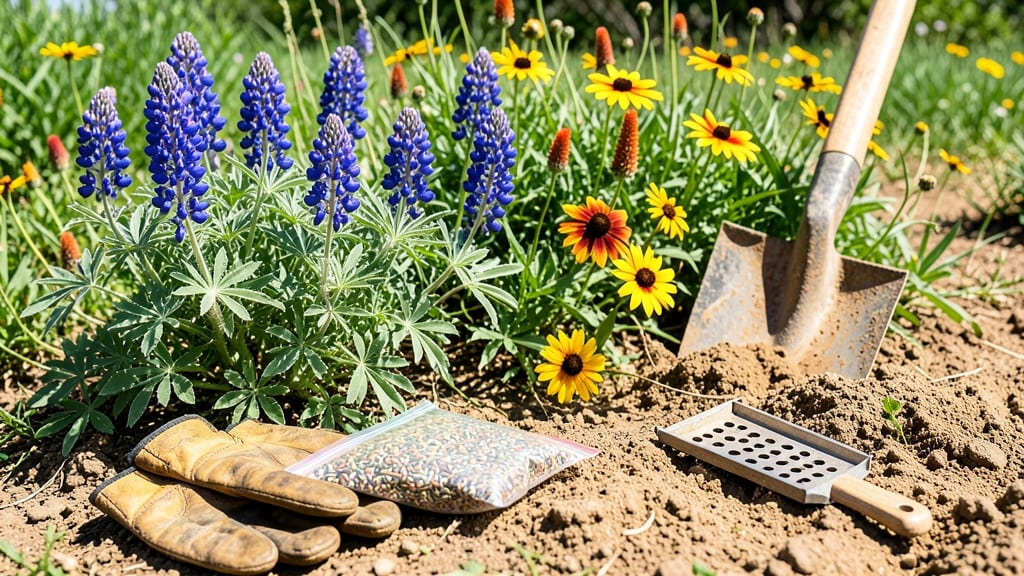
Planting wildflower seeds in Texas at the wrong time can leave you staring at bare soil instead of a riot of 🌼 bluebonnets and black-eyed Susans.
The best window for success isn’t just about seasons—it’s about avoiding frost, matching rainfall patterns, and choosing the right moment for your specific region.
If you’ve ever wondered why your wildflowers failed to bloom or struggled to take root, timing is likely the culprit. Texas’s diverse climate—from 8a’s chilly North to 10b’s balmy South—means what works in Dallas won’t necessarily thrive in El Paso.
I’ll break down the exact months to plant for each zone, so you can transform your landscape into a vibrant meadow without the guesswork.
From cool-season varieties that love fall’s mild temperatures to warm-season bloomers that crave spring’s warmth, we’ll cover it all. You’ll learn how to prepare your soil, select the right seeds for your area, and avoid common mistakes that turn hopeful gardeners into frustrated seed-scatterers.
Let’s get those wildflowers growing the right way.
Whether you’re a first-time planter or a seasoned gardener, these region-specific tips will help you skip the trial-and-error phase. By the end, you’ll know precisely when to plant for zero frost risk and maximum blooms—so you can enjoy Texas’s natural beauty year after year.
Texas wildflower planting calendar by region: frost-free months for best blooms
Texas wildflowers thrive when planted at the right time—avoiding frost and aligning with natural rainfall patterns. The best planting windows vary dramatically across North, Central, South, and West Texas due to differing frost dates and soil temperatures.
For example, North Texas can experience late frosts into February, while South Texas often stays frost-free year-round. Understanding these regional differences ensures your wildflowers—like bluebonnets or black-eyed Susans—bloom abundantly without frost damage.
Wildflower seeds germinate best when soil temperatures reach 60–70°F, which typically occurs in late winter to early spring (February–April) or fall (September–October). Fall planting is ideal for cool-season varieties, while spring planting suits warm-season species.
However, summer planting is risky due to extreme heat and drought. By following region-specific timelines, you can maximize blooms and minimize seed waste.
Here’s a breakdown of the optimal planting months for each Texas region, including frost-free periods, rainfall patterns, and soil temperature considerations:
| Region | Frost-Free Period | Best Planting Months | Ideal Soil Temp (°F) | Rainfall Pattern | Key Wildflowers |
|---|---|---|---|---|---|
| North Texas (Zones 7b-8a) | March 1 – December 15 | September–October (fall) or March–April (spring) | 60–70°F | Moderate spring rains, dry summers | Bluebonnets, Indian Paintbrush, Coreopsis |
| Central Texas (Zones 8a-8b) | February 15 – December 10 | September–October (fall) or February–March (spring) | 65–75°F | Variable; spring showers, summer drought | Mexican Feathergrass, Winecups, Goldenrod |
| South Texas (Zones 9a-10b) | Year-round (rare frost) | September–October (fall) or January–February (spring) | 70–80°F | High humidity, summer rains | Blackfoot Daisy, Mexican Hat, Salvia |
| West Texas (Zones 7b-9a) | March 1 – December 1 | September–October (fall) or March (spring) | 60–70°F | Low rainfall, arid conditions | Prickly Poppy, Desert Marigold, Purple Coneflower |
For North Texas, where frosts can linger until mid-February, planting in September–October allows seeds to establish roots before winter.
In Central Texas, the February–March window catches early spring rains, while South Texas’s mild winters let you plant almost year-round—though fall is still best for cool-season bloomers. West Texas’s arid climate demands fall planting to avoid summer’s scorching heat.
Soil temperature is critical—most wildflower seeds need 60–70°F to germinate. Use a soil thermometer to confirm conditions before planting. In dry regions, like West Texas, water lightly after planting to keep soil moist until germination (about 7–14 days).
Overwatering can wash seeds away, so aim for daily light misting until sprouts appear.
Rainfall patterns also play a role. Central and North Texas benefit from spring rains, making fall planting ideal for seeds to soak up moisture before dormancy.
Meanwhile, South Texas’s summer rains can trigger unexpected germination, so timing is flexible. Always check local weather forecasts for 10-day rainfall predictions before sowing.
Pro tip: If you miss the ideal window, late winter (January–February) is a backup for hardy species like bluebonnets. Just be prepared to protect seedlings with frost cloth if late frosts arrive. For West Texas, where water is scarce, focus on drought-toler
How to choose wildflower seed varieties for Texas climate and soil types
Selecting the right wildflower seeds for your Texas landscape isn’t just about aesthetics—it’s about matching your local climate and soil conditions. Native species like bluebonnets and blackfoot daisies thrive in Texas because they’re adapted to our drought-prone summers and variable rainfall.
Choosing the wrong variety can mean weak growth or no blooms at all.
Texas soil types range from clay-heavy in the East to sandy in the West, each requiring different prep work.
For example, North Texas’s alkaline soils need amendments like compost or sulfur to lower pH, while West Texas’s sandy soils drain too quickly and need organic matter to retain moisture. Let’s dive into the best region-specific varieties and soil prep steps to set your seeds up for success.
Before planting, clear the area of weeds and debris to reduce competition. For clay soils, till in 2–3 inches of compost to improve structure, while sandy soils benefit from a 1-inch layer of peat moss to boost water retention.
A light rake after scattering seeds ensures good seed-to-soil contact without burying them too deep.
Native wildflowers like coreopsis and salvia are low-maintenance once established, but they need consistent moisture during germination. Water lightly daily for the first 2–3 weeks to keep soil damp but not soggy. Avoid overhead watering to prevent seed rot, and consider using a drip irrigation system for larger areas.
If you’re planting in fall (ideal for North and Central Texas), aim for September–October to allow seeds to germinate before winter. For spring planting (better for South and West Texas), wait until February–March when soil temperatures reach 60°F+. This timing ensures seeds sprout before summer’s intense heat sets in.
Remember, native wildflowers are the easiest to grow because they’re already adapted to Texas’s extreme weather. Stick to region-specific mixes, and you’ll enjoy vibrant blooms with minimal effort—no matter where you live in the Lone Star State. Happy planting! 🌼