
Planting
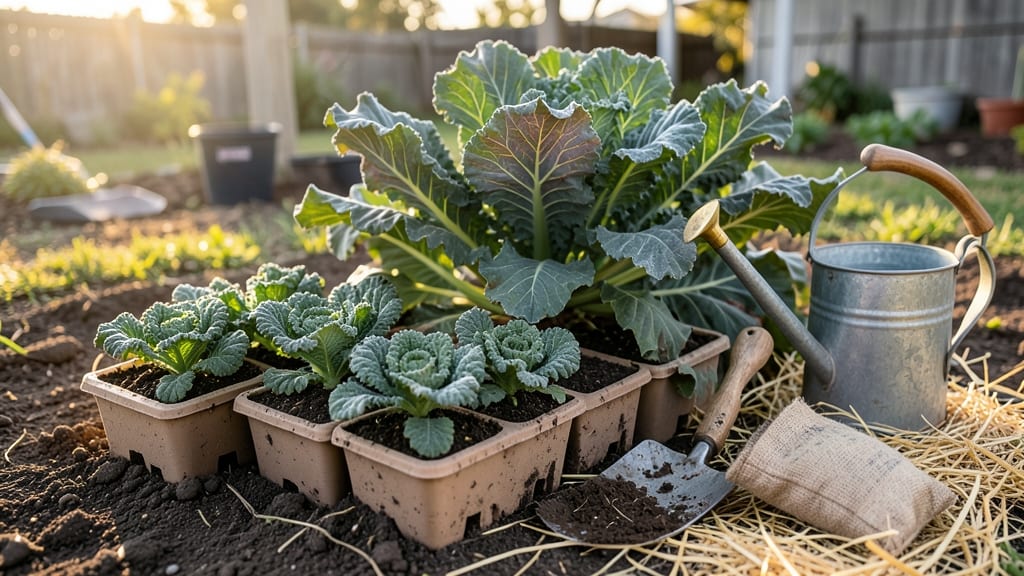
Timing when to plant a fall garden in South Texas wrong means either wilting greens or frost-nipped harvests—but get it right, and you’ll enjoy crisp veggies straight from your backyard until December.
The key? Planting when soil temps drop below 85°F, typically between mid-August and early October, to outrun the brutal summer heat while beating the first frost.
Most gardeners in zones 9a-10a rush to plant too early, only to watch their leafy greens bolt or tomatoes sizzle.
I’ve learned the hard way: the sweet spot is August through September, when afternoon humidity spikes ease and soil stays cool enough for 🥬 like lettuce, kale, and collards to thrive without stress.
Here’s the game-changer: heat-tolerant varieties like ‘Black Seeded Simpson’ lettuce or ‘Arkansas’ black-eyed peas buy you extra weeks of harvest. I’ll break down exactly which crops to plant when—and how to stretch your season until frost, even in South Texas’ unpredictable climate.
Ready to avoid the common mistakes that sabotage fall gardens? Let’s dive into the exact planting schedule, soil prep tricks, and watering hacks that’ll keep your harvest going strong.
Fall planting calendar for South Texas: exact soil temps to avoid bolting
Timing your fall garden in South Texas isn't just about months—it's about soil temperatures. Most cool-season crops thrive when soil stays between 65°F and 85°F.
Below that, growth stalls; above it, plants bolt or wilt. In USDA Zones 9a-10a, this window is tight, but heat-tolerant varieties can stretch it by weeks.
Microclimates matter: Brownsville stays warmer longer than San Antonio, while Edinburg sees earlier frost. Use a soil thermometer (not air temp!) to track conditions. Morning is best for readings—soil cools overnight, giving you the day's baseline.
Aim to plant when temps consistently dip below 85°F and stay above 65°F.
Why soil temp matters: Seeds need warmth to germinate, but seedlings can't handle heat. For example, lettuce seeds sprout at 70°F+ soil, but once up, they prefer 60°F-70°F air temps. Misjudge by even 5°F, and you risk bolting (premature flowering) or stunted growth.
Here’s your South Texas fall planting calendar, broken down by crop and microclimate. Use this as your guide to avoid the two biggest mistakes: planting too early (heat stress) or too late (frost risk).
| Crop | Ideal Soil Temp (°F) | Planting Window (South TX) | Heat-Tolerant Variety | Microclimate Notes |
|---|---|---|---|---|
| Leafy Greens (Lettuce, Spinach) | 65°F–75°F | Mid-Aug (Brownsville) to Early Sept (San Antonio) | 'Black Seeded Simpson' | Plant in partial shade if temps >80°F |
| Broccoli, Cauliflower | 60°F–70°F | Late Aug (Edinburg) to Mid-Sept (Brownsville) | 'Waltham 29' (broccoli) | Use shade cloth if temps exceed 85°F |
| Carrots, Radishes | 65°F–80°F | Early Sept (all regions) | 'Danvers Half Long' | Loosen soil to avoid forking in heat |
| Peppers (Bell, Jalapeño) | 75°F–85°F | Late July–Early Aug (transplant) | 'Jalapeño M' | Extend season with row covers |
| Green Beans | 70°F–80°F | Mid-Sept (Brownsville) to Late Sept (Edinburg) | 'Blue Lake' | Trellis for airflow in humidity |
| Turnips, Beets | 60°F–75°F | Early Sept (all regions) | 'Detroit Dark Red' | Mulch to retain moisture |
Notice how peppers and green beans have wider soil temp ranges? These are your heat-tolerant champions for extending the season. Plant them first, then add leafy greens and broccoli as temps drop. For Edinburg, push planting to mid-September—frost arrives earliest there.
Pro tip: Succession plant heat-loving crops like radishes (ready in 30 days) every 2 weeks to keep harvests coming. Pair them with slow growers like carrots (60+ days) to balance your garden. Use drip irrigation to keep soil temps stable—watering in the morning prevents afternoon heat spikes.
Watch for false starts: A late
South Texas-specific fall crops ranked by heat tolerance (plant these first)
Not all fall crops handle South Texas heat equally—and planting the wrong ones too early means bitter greens or bolted lettuce. I’ve ranked these top 10 heat-tolerant crops from most resilient to least, so you know exactly which to plant first when soil temps hover around 80-85°F in late summer.
The secret to success? Start with black-eyed peas and sweet potatoes in early August, then transition to greens like ‘Black Seeded Simpson’ lettuce by mid-September. This tiered approach maximizes your harvest window while avoiding the dreaded heat stress that turns your garden into a sad, wilted mess.
Here’s the breakdown—plant these in order, and you’ll enjoy fresh harvests until December:
Pro tip: Pair heat-tolerant crops with shade-loving companions to stretch your season. For example, plant ‘Black Seeded Simpson’ lettuce near tall okra to create natural shade, or interplant radishes (which mature fast) between rows of collards to maximize space.
By late September, when temps dip below 80°F, you can safely add spinach and kale—but these need protection from late-day heat. Use shade cloth or plant them in morning sun only spots to prevent bolting.
Remember: South Texas’ first frost rarely hits before December, but don’t wait too long. Plant broccoli and cauliflower by early October to give them time to mature before temperatures drop. And always mulch heavily—straw or leaves—to keep roots cool and moisture locked in.