
Planting
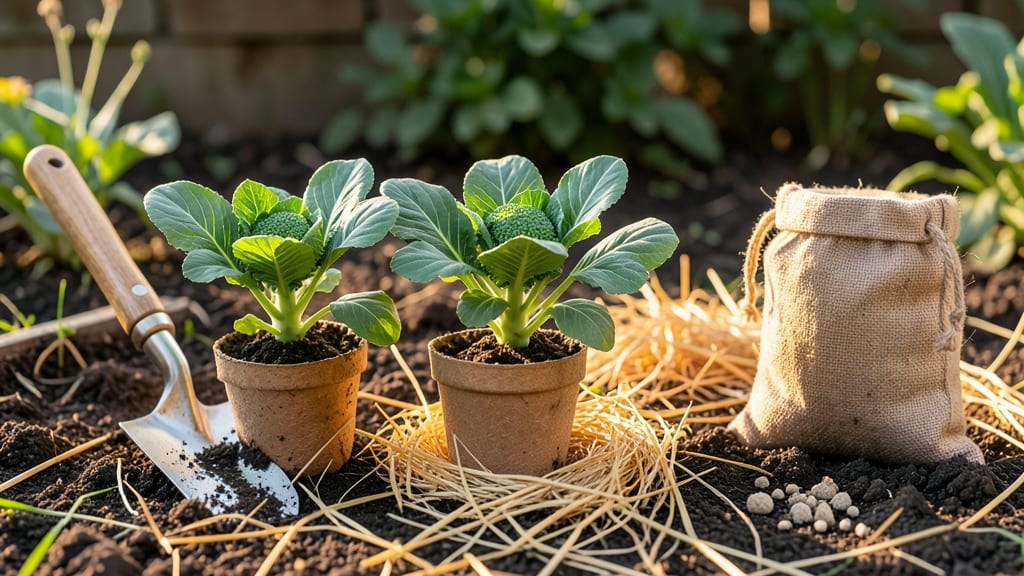
When to plant a fall garden in NC could mean the difference between a bountiful harvest of crisp greens and root vegetables 🥬 and a sad, frost-nipped disappointment. The secret? Planting within a precise window—4 to 6 weeks before your region’s first frost—ensures fast growth before winter sets in.
North Carolina’s varied climate means your exact planting schedule depends on whether you’re in the Piedmont, Coastal Plain, or Mountains. For example, Raleigh gardeners should start by mid-August, while Wilmington has a little more time, with ideal dates stretching into early October.
Get this wrong, and your hard work could go to waste.
I’ve tested these timing strategies over years, and the results speak for themselves: faster-growing crops like radishes and spinach thrive when planted at the right moment, while slower varieties need an earlier start.
Let’s break down the exact weeks before frost for your zone—and how to adjust if Mother Nature throws a curveball.
By the end, you’ll know not just when to plant, but also which crops to prioritize for a harvest that lasts from October through December. Ready to turn your NC garden into a fall feast? Let’s get growing.
NC’s fall planting calendar: exact weeks before first frost by region
North Carolina’s diverse climate means your fall planting window varies dramatically from the Coastal Plain to the Mountains. In Raleigh (Zone 7b), the average first frost hits November 15, while Asheville (Zone 6b) sees frost as early as October 30.
Getting these dates right ensures your kale, spinach, and carrots mature before winter sets in.
I’ve broken down the optimal planting windows in weeks before frost for each region, so you can plan your cool-season crops with confidence. Start too early, and your leafy greens will bolt; too late, and frost will ruin your harvest. Let’s dive into the exact timing for your area.
🌱
| Region | City Example | Avg First Frost | Weeks Before Frost to Plant | Best Crops for This Window | Soil Prep Tip |
|---|---|---|---|---|---|
| Coastal Plain | Wilmington (Zone 8a) | October 15 | 8-10 weeks (Aug 15 - Sep 15) | Spinach, Collards, Radishes, Broccoli | Add compost for sandy soil |
| Piedmont | Raleigh (Zone 7b) | November 15 | 6-8 weeks (Sep 1 - Oct 1) | Kale, Carrots, Lettuce, Turnips | Test soil pH (6.0-7.0) |
| Mountains | Asheville (Zone 6b) | October 30 | 4-6 weeks (Sep 15 - Sep 30) | Peas, Cabbage, Beets, Swiss Chard | Use mulch for cooler temps |
For the Coastal Plain, like Wilmington, you’ve got the longest growing season. Plant your spinach and collards as early as mid-August to enjoy harvests through December. The sandy soil here drains fast, so mix in organic matter like compost or aged manure to retain moisture and nutrients.
In the Piedmont, where Raleigh sits, aim for September 1 as your start date. This gives your kale and carrots enough time to mature before the November frost.
A quick soil test ensures your plants get the right pH balance—most cool-season crops thrive in slightly acidic to neutral soil.
Up in the Mountains, like Asheville, the season is shorter. Focus on fast-growing crops like radishes and turnips, planting by mid-September. Use row covers or black plastic mulch to extend the season and protect tender plants from early frosts.
Pro tip: If you’re in a microclimate (like a south-facing slope or urban heat island), you might push your planting window by 1-2 weeks. Observe your garden’s unique conditions—some spots stay warm longer than the average frost date.
🌿
Don’t forget to succession plant every 2-3 weeks for a continuous harvest. For example, sow a batch of lettuce in early September, then another in late September to keep fresh greens coming. This strategy works especially well in the Piedmont and Coastal regions where the growing season stretches longer.
Finally, keep an eye on your local frost forecast from the NOAA or your Cooperative Extension Service. If an early frost is predicted, rush to harvest sensitive crops like bush beans or cucumbers before they suffer.
For hardier crops, use row covers to shield them until the last possible moment.
With these region-specific timelines, your fall garden will be a success—whether you’re in the Coastal Plain, Piedmont, or Mountains. Happy planting!
✂️
Best fast-growing fall crops for NC and their ideal planting deadlines
North Carolina’s fall garden thrives when you plant the right fast-growing vegetables at the perfect time. The key is calculating weeks before first frost—typically 4-6 weeks out—to ensure harvests before hard freezes.
For Zone 6b-7a (Piedmont), aim for mid-August to early September; in Zone 7b-8a (Coastal), extend planting until mid-October. These cold-hardy crops mature quickly, giving you crisp harvests before winter sets in.
I’ve ranked the top 10 fast-growing fall crops by days to maturity, paired with their ideal planting windows and companion planting tips to stretch your season. Radishes and spinach top the list—they’re ready in 30-40 days, perfect for succession planting every 2 weeks.
Meanwhile, broccoli and carrots take 60-70 days, so plant them 6-8 weeks before frost for a late-season bounty.
- 🌱 Radishes: 25-30 days | Plant 8-10 weeks before frost (late July–early Sept). Pair with lettuce and spinach to deter pests.
- 🥬 Spinach: 30-40 days | Sow 6-8 weeks before frost (early Aug–mid-Sept). Thrives with strawberries and brassicas.
- 🥕 Carrots: 60-70 days | Start 8-10 weeks before frost (late July–early Sept). Avoid planting near dill or parsley.
- 🥬 Lettuce: 30-50 days | Seed 6-8 weeks before frost (early Aug–mid-Sept). Plant with carrots and radishes for pest control.
- 🥦 Broccoli: 60-75 days | Transplant 6-8 weeks before frost (early Aug–mid-Sept). Companion with celery and onions.
- 🌿 Kale: 50-60 days | Sow 6-8 weeks before frost (early Aug–mid-Sept). Grows well with beans and herbs.
- 🥔 Turnips: 40-50 days | Plant 7-9 weeks before frost (late July–early Sept). Avoid planting near peas.
- 🥬 Swiss Chard: 50-60 days | Seed 6-8 weeks before frost (early Aug–mid-Sept). Thrives with bush beans.
- 🌱 Peas (Sugar Snap): 60-70 days | Sow 8-10 weeks before frost (late July–early Sept). Plant with carrots and radishes.
- 🌿 Arugula: 30-40 days | Direct seed 6-8 weeks before frost (early Aug–mid-Sept). Pair with onions and lettuce.
For maximum yield, use succession planting—sow radishes, arugula, and spinach every 2 weeks from late July through September.
This ensures a continuous harvest until frost. Companion planting is your secret weapon: onions and garlic near brassicas (like broccoli) deter cabbage worms, while bush beans fix nitrogen for leafy greens. Mulch with straw or shredded leaves to insulate roots and retain moisture as temperatures drop.
Pro tip: Extend your season with row covers or cold frames for crops like kale and Swiss chard, which tolerate light frosts. If your first frost arrives early, prioritize fast-maturing varieties (like ‘Cherry Belle’ radishes or ‘Black Seeded Simpson’ lettuce) and harvest before hard freezes.
With these timing tricks, your NC fall garden will deliver crisp, flavorful harvests well into winter.
Don’t forget to harden off seedlings for 3-5 days before transplanting—gradually expose them to fall’s cooler temps and wind to prevent shock. And if soil temps drop below 50°F, opt for container gardening to keep roots warm.
With this strategic schedule, you’ll turn your fall garden into a productivity powerhouse—no bolted greens or frost-bitten crops in sight!