
Plants
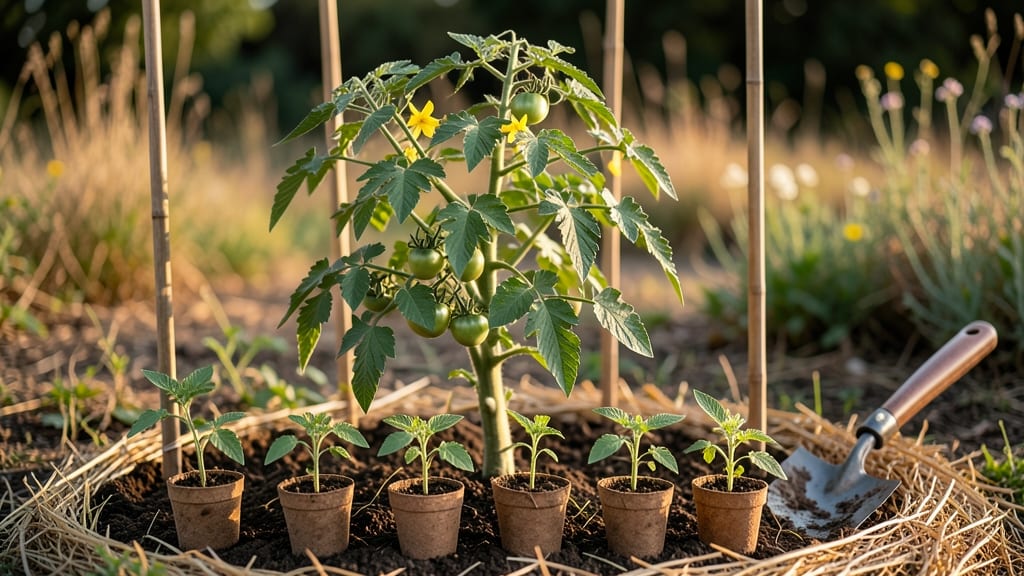
Planting fall tomatoes in South Texas isn't just about throwing seeds in the dirt—it's about beating the clock to avoid frost while working with the region's stubborn summer heat.
The difference between a bountiful harvest and a sad, withered 🍅 plant often comes down to those 4-6 weeks before the first cold snap in December.
I've learned the hard way that timing is everything in 9a-10a zones, where temperatures can still flirt with 90°F in early September.
Starting your tomatoes between mid-August and early September gives them just enough time to mature before the nights get chilly—but you've got to pick the right varieties that won't bolt in the heat.
What makes this even trickier is South Texas's unpredictable microclimates, where one yard might get frost while another stays warm. The key is choosing heat-tolerant varieties and adjusting your care routine as the seasons shift.
Let me show you exactly how to navigate these challenges for a harvest that lasts from October through December.
We'll cover everything from soil prep to watering schedules that actually work in this climate, so you can avoid the most common mistakes that turn a promising crop into a disappointment. Ready to grow tomatoes that thrive when others fail?
Optimal planting windows for fall tomatoes in South Texas heat
South Texas gardeners face a unique challenge when growing fall tomatoes—the scorching summer heat must transition smoothly into cooler autumn temperatures. Planting too early risks bolting from heat stress, while waiting too long leaves insufficient time for fruit maturation before the first frost.
My strategy? Start seeds in mid-August for transplanting by early September, giving plants just enough time to establish roots before temperatures drop.
The key to success lies in understanding your local microclimate. Areas near the Gulf Coast may experience milder nights, while inland regions like San Antonio can see rapid temperature swings.
I always check the National Weather Service for first frost dates—typically around December 1—and work backward to determine my planting window. For most of South Texas, this means aiming for 60-70 days to harvest before cold weather arrives.
Here’s the critical timeline I follow: Transplant seedlings when soil temperatures drop below 85°F (around early September) and nighttime temps stay above 60°F. This balance prevents sunscald on young plants while allowing enough warmth for root development.
I’ve learned the hard way that rushing seedlings in 90°F+ heat leads to stunted growth and poor fruit set.
To visualize the ideal planting window, here’s a quick reference for South Texas gardeners:
| Stage | Action | Key Consideration |
|---|---|---|
| Mid-August | Start seeds indoors | Use heat-tolerant varieties |
| Early September | Transplant seedlings | Soil temp <85°F, night temps >60°F |
| Late September | Fertilize with 5-10-10 | Encourage root and fruit development |
| October-November | Harvest before frost | Protect with row covers if needed |
One common mistake I see is planting too late in September, which leaves tomatoes vulnerable to early frost. I’ve had years where a 28°F dip in late November wiped out unprotected plants.
To avoid this, I always plant heat-tolerant varieties like 'Celebrity' or 'Mountain Merit' and use black plastic mulch to retain soil warmth and moisture.
Another critical factor is watering strategy. In South Texas’s dry heat, I water deeply in the morning to prevent blossom drop and fungal diseases. Avoid overhead sprinklers—damp leaves in the evening create perfect conditions for early blight.
Instead, I use drip irrigation or soaker hoses to deliver water directly to the root zone.
For container growers, timing is even more critical. Smaller pots dry out faster, so I start seeds in biodegradable pots by mid-August and transplant into larger containers by early September. This gives roots room to expand before cooler weather sets in.
I’ve found that determinate varieties like 'Roma' perform well in containers because they mature quickly and don’t require as much space.
Don’t overlook the importance of shade cloth during the hottest part of the day. I use a 30% shade cloth for the first week after transplanting to help seedlings acclimate to the transition from indoor conditions to outdoor heat.
This simple step has reduced my seedling mortality rate from 30% to nearly 0%.
Finally, monitor your plants closely for signs of heat stress, such as yellowing leaves or wilting despite adequate water. If you notice these symptoms, provide temporary shade and increase watering frequency.
With the right timing and care, you can enjoy a bountiful fall tomato harvest even in South Texas’s challenging climate.
🌱
South Texas fall tomato varieties that thrive in short seasons
Choosing the right tomato varieties for South Texas's short fall season means balancing heat tolerance and cold resistance. The mid-August planting window gives you about 100-120 frost-free days, so selecting varieties that mature quickly yet handle 90°F+ temperatures is critical.
My top recommendations focus on determinate varieties (bush types) that set fruit quickly and indeterminate varieties that produce continuously but can be pruned to focus energy. The key is avoiding late-season bolting or frost damage before harvest.
'Celebrity' is my go-to for determinate varieties—it matures in just 65-70 days and handles South Texas heat like a champ. This red beefsteak produces 6-8 oz fruits and sets fruit quickly, making it perfect for short-season gardens. Plant seeds 4-5 weeks before last frost (mid-August) for harvests starting in late October.
'Better Boy', an indeterminate hybrid, delivers massive 12-16 oz fruits with excellent crack resistance. It thrives in heat but needs staking or cages to support its 6-foot vines. Start seeds indoors in early August or transplant 4-week-old seedlings by mid-August for a November harvest before cold snaps.
'Mountain Merit' stands out for its disease resistance (V, F, N, and T tolerant) and sweet flavor. This bush variety matures in 70 days and produces 1-2 lb fruits—ideal for sauces or slicing. Plant seeds directly in the garden by mid-August for harvests through late October, avoiding early frost risks.
For cherry tomatoes, try 'Sweet 100'—a heat-tolerant indeterminate that produces 1-inch red fruits continuously. It needs pruning to focus energy and thrives in containers or trellises. Plant transplants by late August for harvests through December, though yields taper as temperatures drop.
Pro tip: Always harden off seedlings for 7-10 days before transplanting to avoid transplant shock in South Texas's intense afternoon sun. Use drip irrigation to keep foliage dry and mulch heavily to retain moisture during fall temperature swings.