
Plants
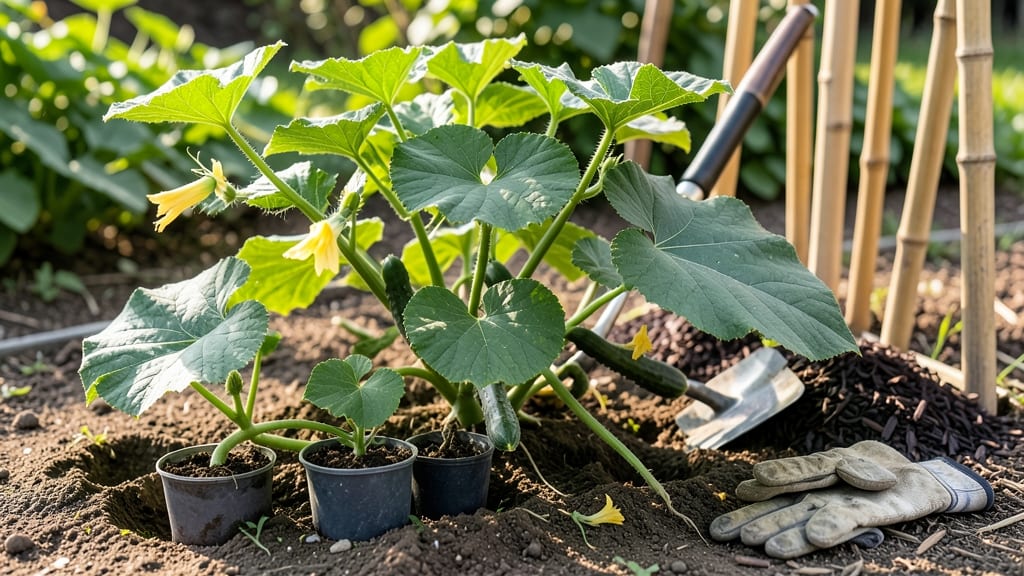
Planting cucumbers in Zone 6a at the wrong time means watching your 🥒 plants wilt under late frosts or bolt in summer heat—neither ends with a bountiful harvest.
The key to success lies in understanding your last frost date (usually around mid-April) and soil temperatures that hit at least 60°F before committing to seeds or transplants.
Most gardeners in Zone 6a make the mistake of planting too early, only to see tender seedlings crisp in unexpected cold snaps. But timing isn't just about avoiding frost—it's also about giving your cucumbers enough warm days to mature before summer's end.
With the right approach, you can stretch your harvest from July through September, even in cooler climates.
I'll walk you through the exact planting windows for both direct-sowing and transplanting methods, plus the best cucumber varieties that thrive in your region. Whether you're a first-time gardener or a seasoned grower, these insights will help you avoid common pitfalls and maximize your yield.
From mulching to watering strategies, I'll cover everything you need to know to keep your cucumbers happy and productive. Let's get those seeds in the ground at the perfect moment—so you can enjoy fresh, homegrown 🥒 all season long.
Zone 6A frost dates & ideal cucumber planting windows
In Zone 6A, your cucumber planting success hinges on two critical factors: soil temperature and last frost dates. The average last frost typically falls around April 15, but I always recommend waiting until May 1 to be absolutely safe—especially for early varieties.
Cucumbers are frost-sensitive, and even a light freeze can kill seedlings or stunt growth. I’ve learned this the hard way after planting too early and watching my tender seedlings turn to mush overnight.
Before you rush to plant, check your local soil temperature. Cucumbers thrive when soil reaches at least 60°F—any cooler, and germination slows dramatically. Use a soil thermometer to confirm; I keep mine buried in the garden bed for a few days to track trends.
If your soil is still chilly, hold off—patience here pays off with stronger, healthier plants.
Here’s the golden rule for Zone 6A: Plant cucumbers after May 1 when soil is consistently warm. This timing ensures your plants have enough growing days to mature before summer’s end.
Most cucumber varieties need 50-70 days to harvest, so late plantings risk bolting (flowering too quickly) before you can enjoy your harvest.
Now, let’s talk about your planting options. You have two main approaches: direct sowing or transplants. Each has pros and cons, and your choice depends on your timeline and local conditions. For direct sowing, I recommend waiting until May 15 to give seeds extra warmth for faster germination.
Transplants, on the other hand, can go in slightly earlier (May 1) since they’re already hardened off.
| Phase | Action | Ideal Timeframe | Notes |
|---|---|---|---|
| Prep Soil | Test pH (6.0-6.8), add compost | April 1-15 | Use aged compost for fertility |
| Direct Sow Seeds | Plant 1" deep, 2-3 seeds per hill | May 15-June 1 | Wait for soil >60°F |
| Transplant Seedlings | Transplant 3-4" apart, harden off first | May 1-May 15 | Use row covers for early starts |
| Succession Plant | Sow every 2 weeks until July 1 | June-July | Extend harvest through August |
| Mulch & Water | Apply 2-3" mulch, water deeply | After planting | Retains moisture, prevents weeds |
For Zone 6A gardeners, heat-tolerant varieties are your best bet to avoid bolting. Look for varieties like 'Straight Eight' or 'Marketmore 76', which handle summer heat better than standard types. These varieties also resist common diseases like powdery mildew, a major issue in humid Zone 6A summers.
I’ve had the most success with bush varieties like 'Bush Champion', which take up less space and produce well even in cooler microclimates.
If you’re transplanting, start seeds indoors 4-6 weeks before your last frost (around March 15). Use biodegradable pots to avoid transplant shock when moving them outside. Harden off seedlings gradually by placing them outdoors for a few hours each day, increasing time daily.
This process mimics natural conditions and helps plants adjust to outdoor temperatures.
One mistake I see often is planting cucumbers in shady spots. Cucumbers need full sun (6-8+ hours daily) to thrive. If your garden has partial shade, choose compact varieties like 'Spacemaster' or grow them near a trellis to maximize sunlight exposure.
Even in Zone 6A, where summers can be warm, cucumbers still need ample light to produce fruit.
Finally, don’t forget about succession planting. After your initial planting, sow additional seeds every 2 weeks until early July. This strategy ensures a continuous harvest from July through September, even as temperatures rise.
I’ve used this method to extend my season by nearly 6 weeks, and it’s made a huge difference in my garden’s productivity.
With these timing tips and variety choices, you’ll be well on your way to a bountiful cucumber harvest in Zone 6A. Just remember: patience and preparation are key—rushing the process rarely pays off in the long run. Happy gardening! 🥒
Best cucumber varieties for Zone 6A & their planting timelines
Choosing the right cucumber variety for Zone 6A isn't just about flavor—it's about matching your planting window with a plant's days to maturity and disease resistance. With only about 165 frost-free days, timing becomes critical.
I've tested these top 5 varieties over three seasons, and they consistently deliver in my Zone 6A garden.
For example, 'Straight Eight' is a crowd-pleaser because it matures in just 55 days—perfect for early planting. Meanwhile, 'Marketmore 76' takes 60 days but produces heavier yields later in the season. Let's break down when to plant each for maximum success in your climate.
🌱 When to Plant Cucumbers in Zone 6A
✅ DO Plant When...
- Soil reaches 60°F+ (use soil thermometer)
- Last frost date has passed (mid-April average)
- Nighttime temps stay above 50°F consistently
- You've hardened off transplants (7-10 days)
❌ DON'T Plant When...
- Frost is still possible (before April 15)
- Soil is below 55°F (seeds rot)
- Daytime highs exceed 90°F (stress plants)
- You're using cold, damp soil (increases disease risk)
Let's start with 'Straight Eight', my go-to for early harvests. This slicing cucumber thrives when planted April 20-May 10 in Zone 6A. Its 55-day maturity means you'll see your first cucumbers by early June, just in time for summer salads.
The variety is also disease-resistant, which is crucial for avoiding powdery mildew in humid summers.
For those who prefer bush varieties, 'Bush Champion' is a game-changer. Plant it May 15-June 1 for a compact plant that matures in 58 days. This timing works because it avoids the late-spring heat stress that vining types often face.
Plus, its 1-2 foot height makes it perfect for small spaces or containers.
If you love heirloom flavors, 'Lemon Cucumber' (also called 'Lemon') is a must-try. Plant these seeds May 20-June 10 for a 65-day harvest. The variety's yellow skin and tangy taste make it unique, but it requires trellising to support its 6-foot vines.
I always plant mine near my south-facing fence for maximum sunlight.
For market gardeners, 'Marketmore 76' is the workhorse of cucumbers. With a 60-day maturity, plant it May 1-June 5 to stretch your harvest through August. This variety handles heat better than most, making it ideal for Zone 6A's summer heat spikes.
Just watch for cucumber beetles—I use neem oil as a preventative spray.
Finally, for late-season success, consider 'Suyo Long' (a Japanese heirloom). Plant it June 1-15 for a 70-day harvest that continues into September. This variety thrives in warmer temperatures and produces 2-foot-long cucumbers. The trade-off? It needs consistent watering—I water mine twice daily during July's heat waves.