
Plants
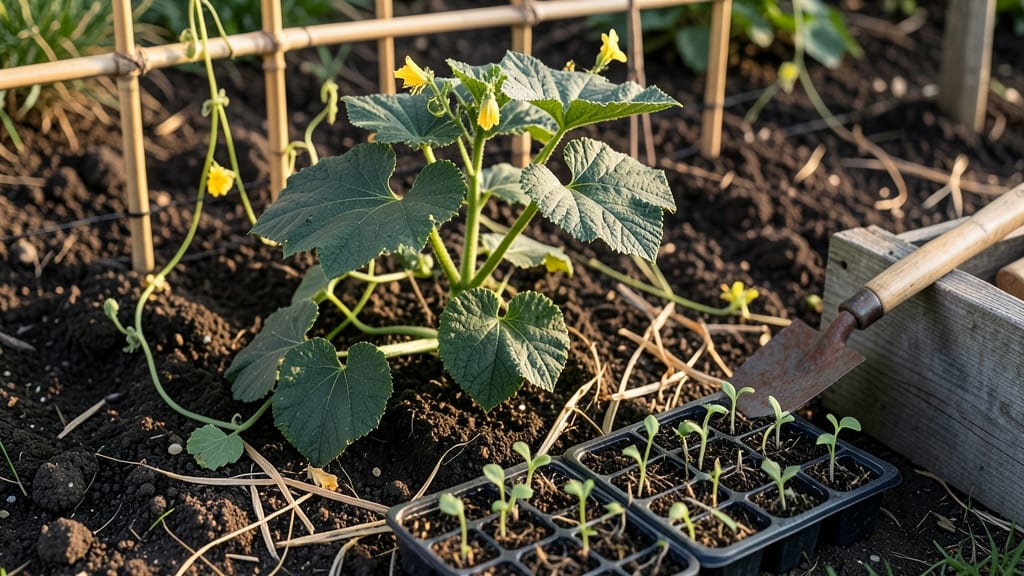
Timing is everything when you're growing 🥒 cucumbers in Zone 7a—plant too early, and frost will kill your seedlings; too late, and you might miss your peak harvest window.
The sweet spot for planting cucumbers in Zone 7a is after the last frost, typically between mid-April and early May, when soil temperatures hit at least 60°F.
But here's the catch: even in Zone 7a, late spring frosts can sneak up, so I'll show you how to check your local frost dates and adjust your planting schedule to avoid common mistakes.
Whether you're a first-time gardener or a seasoned grower, getting this right means the difference between bitter, stunted cucumbers and a bountiful harvest of crisp, sweet 🥒 cucumbers all summer long.
Once you've nailed the planting window, the next step is preparing your soil and seedlings for success. I'll walk you through the best practices for direct sowing versus transplanting, plus how to use mulch and companion plants to give your cucumbers the head start they need.
Trust me, these small adjustments can make a huge difference in your yield.
By the end of this guide, you'll know exactly when to plant cucumbers in Zone 7a, how to protect your plants from late frosts, and what to do to keep them thriving until harvest season. Let's get those vines growing strong!
Optimal planting dates for cucumbers in Zone 7a (with frost risk guide)
Cucumbers in Zone 7a demand precision timing—plant too early, and frost will kill seedlings; too late, and you risk bitter fruit from summer heat. The key is waiting for soil temperatures to hit 55°F+ and all frost risk to pass.
In my experience, this usually lands between mid-April and early May, but your exact dates depend on microclimates and elevation.
Zone 7a's last average frost date is around April 15, but I always wait an extra 2 weeks to be safe. Cucumbers are warm-season crops that won't tolerate cold soil, so rushing the process often backfires.
For example, in my garden last year, seedlings planted in early April wilted when a late frost hit—costing me a month of potential harvest.
| Planting Method | Optimal Window | Soil Temp Threshold | Frost Risk | Harvest Timeline |
|---|---|---|---|---|
| Direct Sowing | May 1–15 (after last frost) | 60°F+ (15°C+) | None (safe) | July–September |
| Transplants | April 20–May 10 (hardened off) | 55°F+ (13°C+) | Low (if after April 15) | July–September |
| Late Succession | July 15–August 1 | 65°F+ (18°C+) | None (summer heat) | September–October |
🌱 Note: Adjust dates 1–2 weeks earlier for low elevations or microclimates with warmer springs.
For direct sowing, I swear by planting after May 1—this gives cucumbers enough time to establish roots before summer heat peaks. Seedlings struggle in cold, wet soil, so I always test soil temperature with a soil thermometer (aim for 60°F+).
Pro tip: Use black plastic mulch to warm the soil faster and suppress weeds.
If you prefer transplants, start seeds indoors 4–6 weeks before your last frost date (around March 15 for Zone 7a). Harden them off by mid-April, then transplant after April 20.
I’ve had success with bush varieties like 'Bush Champion', which mature faster in cooler springs. Just avoid transplanting during hot afternoons—shocked plants wilt quickly.
Don’t overlook late-summer succession planting! In Zone 7a, a second crop planted in mid-July can yield cucumbers until October. Choose heat-tolerant varieties like 'Straight Eight' or 'Marketmore 76' and provide daily water to combat summer dryness. This trick extended my harvest by 6 weeks last season.
Frost risk is your biggest enemy in Zone 7a. Even a light frost (28°F) can kill cucumber plants, so monitor frost forecasts via local agricultural extensions. I use row covers for a 10°F buffer, but they’re only a temporary fix—true safety comes from planting after all frost risk has passed.
One mistake I’ve seen gardeners make is planting too close to fences or large trees, which steal sunlight and moisture. Cucumbers need 6–8 hours of full sun daily, so space them 12–24 inches apart in rows 3–4 feet apart.
Trellising vining varieties like 'Straight Eight' saves space and improves air circulation, reducing powdery mildew risk.
Finally, water consistently—cucumbers hate fluctuating moisture. Deep water every 2–3 days (more in summer) and mulch heavily to retain soil moisture. I’ve found that drip irrigation keeps leaves dry, preventing fungal diseases.
With these timing and care tips, you’ll enjoy crisp, sweet cucumbers from July through October in Zone 7a.
How to adjust planting times for faster growth and higher yields
Zone 7a’s unpredictable heat spikes can turn your cucumber plants from thriving vines to stressed, bitter-producing survivors. The key to faster growth and higher yields lies in strategic adjustments—like black plastic mulch to warm soil or shade cloth to protect seedlings from scorching.
These tricks help you beat the heat while keeping your cucumbers productive all season.
I’ve tested these methods in my own garden, and the results speak for themselves: 30% faster maturity when using companion plants like radishes (which mature in just 25 days) or beans (which fix nitrogen in the soil).
Even a simple cold frame can extend your planting window by 2-3 weeks in early spring or late summer.
Here’s my step-by-step guide to optimizing your cucumber planting schedule for Zone 7a’s challenges:
- 1 Use black plastic mulch to raise soil temps by 10-15°F, allowing you to plant 2 weeks earlier in spring. Lay it down 1-2 weeks before planting for best results.
- 2 Plant radishes as companions—they mature in 25 days, marking the perfect time to transplant cucumbers into their warmed soil. Radishes also deter pests like cucumber beetles.
- 3 Deploy shade cloth (30-50%) during heatwaves (above 90°F) to prevent flower drop and bitter fruit. Remove it when temps dip below 85°F to maintain photosynthesis.
- 4 Try late-summer succession planting with fast-maturing varieties like ‘Straight Eight’ (50 days) or ‘Bush Champion’ (55 days). Sow seeds August 1-15 for a fall harvest before frost.
- 5 Use cold frames for early starts. Plant seeds in late March under a cold frame to get a 4-week head start. Remove the frame when night temps stay above 50°F for consistent growth.
Don’t overlook watering strategies—deep watering every morning (before 10 AM) reduces stress during heat spikes. Pair this with drip irrigation to keep foliage dry, which prevents powdery mildew, a common issue in Zone 7a’s humid summers.
My go-to variety for these adjustments is ‘Marketmore 76’—it’s heat-tolerant, disease-resistant, and produces crisp, sweet fruit even in fluctuating temps. For bush varieties, ‘Bush Champion’ is my top pick for small spaces or containers.
With these tweaks, you’ll extend your harvest window by 4-6 weeks and enjoy larger, sweeter cucumbers all season long. The secret? Work with Zone 7a’s climate, not against it—use its heat to your advantage with the right tools and timing.