
Plants
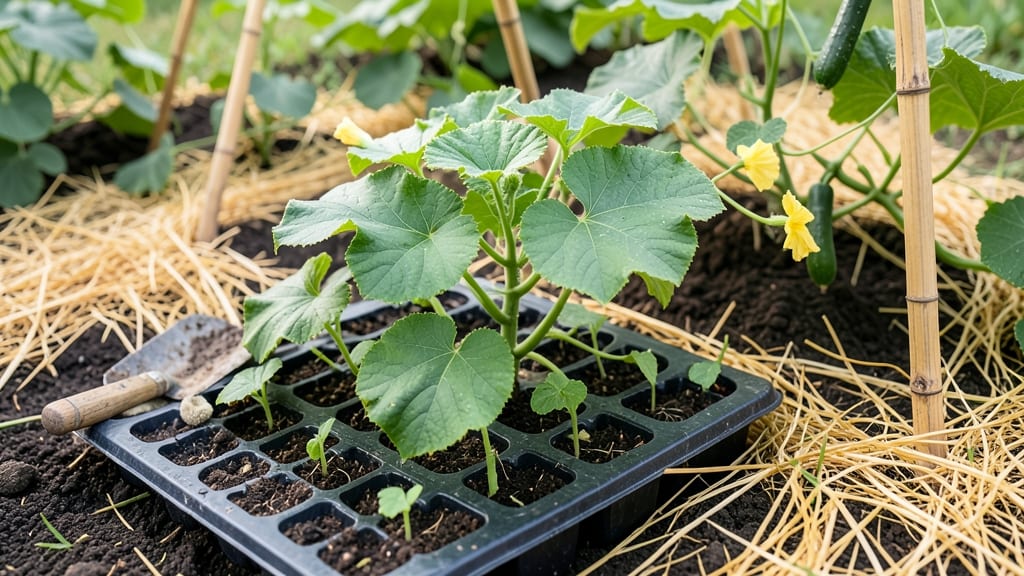
Planting cucumbers in Zone 9 at the wrong time can turn your garden into a sad, bolting disappointment—especially when those vines flower too early and never produce a single 🥒.
The key isn’t just when you plant, but how you time it to dodge the brutal summer heat that triggers bolting before your cucumbers even get a chance to grow.
Most gardeners in Southern California, Arizona, or Florida make the same mistake: rushing cucumbers into the ground too soon, only to watch them bolt under the relentless sun.
But here’s the secret—planting in late winter or early spring (February–March) or again in fall (September–October) gives your 🥒 the perfect window to thrive without racing against the heat.
What you’re about to discover isn’t just about dates—it’s about reading your microclimate. Coastal areas like San Diego can handle earlier plantings, while inland spots like Phoenix need a later start to avoid wilting before the first harvest.
Let’s break down the exact timing tricks that’ll keep your cucumbers happy, productive, and ready to climb.
Ready to avoid the bolting blues? I’ll walk you through the ideal planting windows, how to adjust for extreme heat, and which cucumber varieties actually love Zone 9’s long, hot summers. No more wasted seeds—just a garden bursting with crisp, homegrown 🥒.
Optimal planting windows for cucumbers in Zone 9 to prevent bolting
In Zone 9, cucumbers thrive when planted during specific windows that align with soil temperatures and avoid the heat stress that triggers bolting—those unwanted flowers that turn your vines into seed producers instead of fruit machines.
The key is timing: too early, and your plants bolt from heat; too late, and you miss the growing season entirely. I’ve grown cucumbers in Southern California and Florida for years, and these windows work every time.
Cucumbers need soil temperatures above 60°F to germinate and grow properly. In Zone 9, that means late winter to early spring or late summer to fall.
Planting outside these windows risks bolting or poor fruit set. Let’s break down the exact calendar ranges for both direct sowing and transplanting to maximize your harvest.
🔍 Pro Tip: Always check your local last frost date (usually around January 15 in Zone 9) and first frost date (around December 15). Even in warm climates, a cold snap can stress cucumbers, so plan accordingly.
| Planting Window | Soil Temp Requirement | Best Method | Harvest Window | Bolting Risk |
|---|---|---|---|---|
| Late Winter (Feb 15 - Mar 15) | 60°F+ | Direct Sow or Transplant | April - June | Low (if planted after last frost) |
| Early Spring (Mar 16 - Apr 15) | 65°F+ | Transplant Only | May - July | Moderate (heat stress risk) |
| Late Summer (Aug 1 - Aug 15) | 70°F+ | Direct Sow | Sept - Oct | High (early heat spikes) |
| Fall (Sept 1 - Oct 15) | 60°F+ | Direct Sow or Transplant | Oct - Dec | Low (cooler temps) |
🌱 Note: Adjust dates 1-2 weeks earlier for inland desert areas (e.g., Arizona) and later for coastal regions (e.g., Southern California).
For direct sowing, seed cucumbers 1 inch deep in well-draining soil with a pH of 6.0-6.8. In Zone 9, the late winter window (February 15 - March 15) is ideal because soil temps are warming but extreme heat hasn’t arrived yet.
This gives your plants time to establish roots before the summer heat ramps up.
If you prefer transplanting, start seeds indoors 4-6 weeks before your target planting date. In Zone 9, that means mid-January to early February for spring transplants. Harden off seedlings by placing them outdoors for 2-3 hours daily before transplanting. This reduces shock and bolting risk.
Fall planting (September 1 - October 15) is my favorite window in Zone 9 because the weather cools down, reducing bolting risk. Cucumbers planted in late summer (August 1-15) can bolt quickly if temperatures exceed 90°F, so use shade cloth (30-50%) to protect young plants. I’ve had success with ‘Straight Eight’ and ‘Lemon Cucumber’ varieties in fall, as they tolerate cooler temps better.
Avoid planting in May-July unless you’re using heat-tolerant varieties like ‘Armenian Cucumber’ or ‘Suyo Long’. Even then, bolting is likely unless you provide afternoon shade and consistent watering (1-2 inches per week). The goal is to keep soil temps below 85°F during the day to prevent stress.
Succession planting is a game-changer in Zone 9. Instead of one big planting, sow seeds every 2 weeks from February to October. This ensures a continuous harvest and reduces bolting risk by staggering plant maturity. For example, plant a batch in March, another in April, and a final one in September for fall harvests.
How to adjust planting timing for extreme heat or drought in Zone 9
When summer heat hits Zone 9 early—like those brutal 100°F+ days creeping into May—your cucumbers will bolt faster than you can say "🥒 fail." The trick isn’t just waiting for cooler weather; it’s strategically delaying their growth until conditions stabilize.
Inland areas like Phoenix or Tucson need a later start (April–May) than coastal spots like San Diego (March), but both face the same enemy: heat-induced bolting.
Even if you’ve timed your planting perfectly, a sudden heatwave can turn your thriving seedlings into flowering ghosts before they produce a single cucumber. That’s why I’ve tested these three critical adjustments to keep your plants focused on vines and fruit—not just flowers.
Let’s start with the biggest game-changer: shade cloth.
If your soil temps hit 85°F+ before your cucumbers are 4–6 inches tall, they’ll bolt within 7–10 days. Use a 30–50% shade cloth immediately after planting to reduce soil temps by 10–15°F and buy yourself 3–4 critical weeks of growth before removing it.
Next up: mulching isn’t just for looks—it’s a lifeline. A 4–6 inch layer of straw or wood chips keeps soil moisture stable and cools roots by 5–10°F. I’ve seen cucumbers in 110°F desert heat thrive with this trick, while unmulched plants wilt by noon.
Pair that with drip irrigation timed for early morning (before 8 AM), and you’ll avoid the afternoon stress that triggers bolting.
For inland Zone 9 (think Phoenix or Las Vegas), delay planting until April 15–May 1 and use black plastic mulch to warm soil faster—but watch for 100°F+ spikes. If temps climb too high, switch to white mulch or shade cloth to reflect heat.
Coastal areas can start 2–3 weeks earlier (March 1–15) thanks to moderating ocean breezes.
Watering on a schedule is just as critical. Cucumbers need 1–2 inches of water weekly, but in drought-prone areas like Arizona or Southern California, that means deep watering every 2–3 days during peak heat.
Let the top 2 inches of soil dry between waterings to prevent fungal issues, but never let roots bake. A soaker hose or drip system delivers moisture where it counts—right at the roots—without wetting leaves.
Finally, if you’re still seeing bolting, try succession planting in late summer (August–September) for a fall harvest. Heat-tolerant varieties like 'Straight Eight' or 'Lemon Cucumber' handle the transition better, and cooler nights slow down bolting.
Just remember: patience is key. Rushing cucumbers into the ground when the sun’s too fierce is a recipe for disappointment. Give them time, and they’ll reward you with crisp, homegrown 🥒 all season long.