
Plants
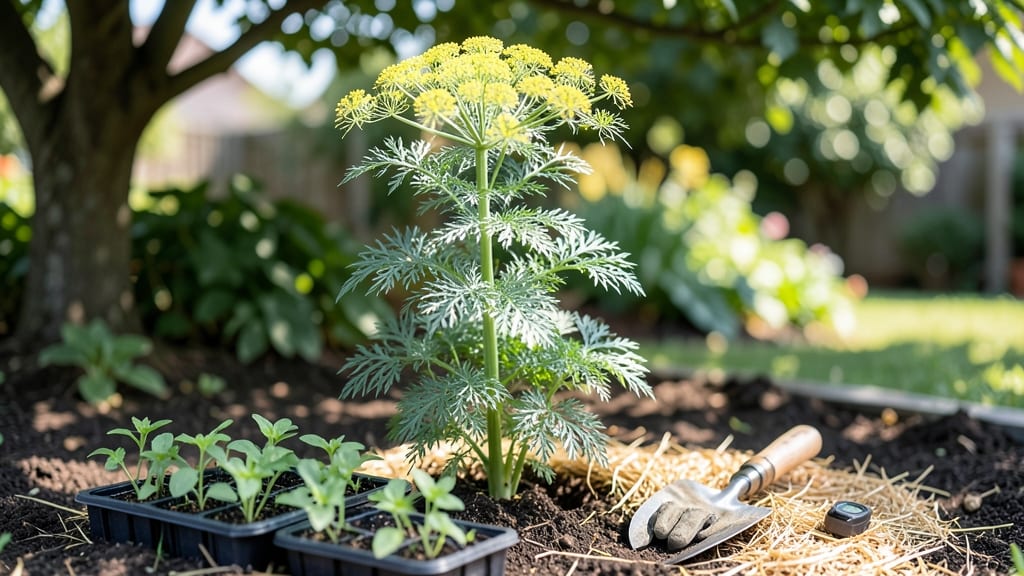
Planting dill in Southern California isn’t just about seasons—it’s about outsmarting the heat to avoid that bitter, bolted flavor we all hate. With year-round growing possible in zones 9b-11, timing your dill just right means the difference between feathery, aromatic leaves and a sad, flower-stalked disappointment.
Most gardeners assume spring is the only window, but coastal areas like San Diego can handle dill in late fall while inland desert zones need to start earlier to escape summer’s relentless sun.
The key? Understanding your microclimate—whether you’re in the mild coastal breeze or the scorching inland heat—and adjusting your schedule accordingly.
I’ve learned the hard way that planting too early in the desert can trigger bolting by May, while coastal gardeners often miss the fall harvest window by waiting too long. The solution? A strategic calendar that accounts for soil temps, shade needs, and even container gardening hacks for urban balconies.
Ready to grow dill that stays fresh and flavorful all season? Let’s break down the exact months, heat-zone tricks, and pro tips to keep your 🌿 dill thriving—no matter where you live in SoCal.
Southern California dill planting calendar: month-by-month heat Zone guide
Southern California’s diverse heat zones mean your dill’s success hinges on precise timing. Coastal areas like San Diego (Zone 10) enjoy mild winters, while the Inland Empire (Zone 9b) and Desert (Zone 11) face extreme summer heat.
Planting too early risks premature bolting, while late starts may leave you with sad, wilted plants by June. Let’s break down the best month-by-month windows for each microclimate to maximize your harvest.
Dill thrives in cool to moderate temperatures (60–75°F) and struggles when soil temps exceed 85°F. Coastal regions can plant year-round, but inland gardeners must time sowings to avoid 100°F+ heatwaves. The key?
Start seeds 8–10 weeks before last frost (though frost is rare) and focus on fall and spring for the best results. Below, I’ll map out your custom planting calendar by region.
For coastal gardeners, the sweet spot is February–March and September–October. These months offer ideal soil temps (60–70°F) and moderate humidity, reducing bolting risks. I’ve planted dill in La Jolla during these windows and harvested fresh leaves for months.
If you’re in San Diego County, aim for Valentine’s Day starts—just as the first spring rains taper off.
The Inland Empire, including Riverside and Ontario, faces hotter summers and colder winters than coastal areas. Here, January–February and August–September are your best bets. I’ve learned the hard way that planting in April leads to bolting by Memorial Day.
Instead, opt for late summer sowings—dill loves the cooler fall nights and thrives until November.
Desert regions like Palm Springs (Zone 11) present unique challenges. The 110°F+ summers make traditional gardening nearly impossible, but dill can still succeed with strategic timing. Focus on October–November and February–March plantings.
I’ve used drip irrigation and thick mulch to keep roots cool, extending harvests into December and April. Avoid planting after March 15—your dill will bolt within weeks.
Urban gardeners with patio containers have an advantage: mobility. Move pots to shadier spots during June–August or place them under 30% shade cloth. I’ve grown dill year-round in Los Angeles by adjusting locations weekly.
Start seeds in containers every 2 weeks from February to November for a continuous harvest. Just ensure pots have drainage holes—dill hates soggy roots.
One critical mistake I see often? Planting dill from transplants instead of direct sowing. Dill’s taproot system dislikes disturbance, so always sow seeds directly in the garden. For coastal areas, plant seeds ¼-inch deep and keep soil moist until germination (7–14 days).
Inland and desert gardeners should pre-soak seeds for 24 hours to improve germination rates in hot, dry conditions.
To extend your harvest, try succession planting. Sow new seeds every 2–3 weeks from February to October. This ensures a steady supply of fresh dill, even as older plants bolt.
I’ve also had success with fall-planted dill in Zone 10—it often survives mild winters and produces second harvests in spring. Just protect it with f
5 Pro tips to prevent dill bolting in Southern California’s extreme heat
Southern California’s 100°F+ summers can turn your dill into a bolted mess faster than you can say "pickle season." The key to preventing premature flowering lies in heat management—not just watering, but smart strategies like shade, soil prep, and companion planting.
I’ve tested these tricks in my Zone 10b garden, and they’ve kept my dill lush and leafy when others’ bolt by July.
First, let’s tackle the biggest culprit: soil temperature. Dill seeds struggle to germinate when soil exceeds 85°F, and established plants bolt when roots overheat. My solution? Start seeds in shallow trays under 30% shade cloth until soil temps drop below 80°F—usually by late August for fall planting.
This gives you a head start before the heat peaks.
🌿
Organic vs. Synthetic Mulches for Heat Suppression
| Factor | Organic Mulch (Straw/Compost) | Synthetic Mulch (Landscape Fabric) |
|---|---|---|
| Heat Suppression | Moderate (3–5°F cooler) | High (5–8°F cooler) |
| Moisture Retention | Excellent (breaks down over time) | Good (lasts years) |
| Weed Control | Poor (requires hand-pulling) | Excellent (blocks light) |
| Soil Health | Boosts microbes (adds organic matter) | Neutral (no soil amendment) |
| Best For | Long-term beds, compost enrichment | Urban containers, high-heat zones |
Pro Tip: For containers, use black plastic mulch to absorb heat and warm roots—critical for winter dill in coastal areas.
Next, pair your dill with heat-tolerant companions like basil or cucumbers. These plants create microclimates by shading soil and releasing moisture through transpiration. In my raised beds, I plant dill between zucchini and oregano—the zucchini’s broad leaves act as natural umbrellas, while oregano’s low growth keeps roots cool.
Avoid planting near carrots or celery, which compete for water and stress dill into bolting.
For urban gardeners, container growing is a game-changer. Use 5-gallon fabric pots with self-watering reservoirs to maintain even moisture. Place containers on drip irrigation set to early morning cycles—this mimics natural rainfall and prevents the root shock that triggers bolting.
I’ve had dill thrive on my balcony in Santa Monica using this method, even in 95°F heat.
Finally, never underestimate the power of evening shade. By late afternoon, install removable shade sails (30–50% block) to reduce soil temps by 10–15°F. I use white fabric to reflect sunlight while allowing 6+ hours of morning sun—critical for photosynthesis.
For indoor growers, a south-facing window with a sheer curtain can extend the growing season by 2–3 months compared to direct sun.
With these tricks, you’ll harvest feathery, flavorful dill well into November—no bolting in sight. The secret? Consistency in moisture, strategic shade, and smart companions. Your taste buds (and pickles) will thank you! 🌱