
Plants
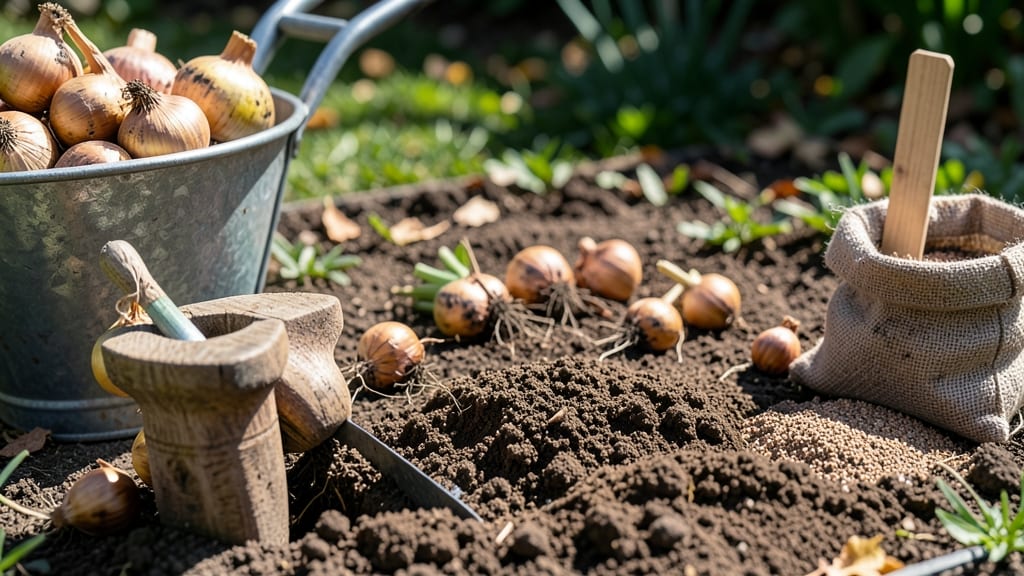
Planting daffodil bulbs at the wrong time in Georgia could mean the difference between a show-stopping spring display and wasted effort.
With the right timing—October to November—your 🌼 blooms will thrive in the 7b-8b climate, but miss that window, and you risk weak growth or no flowers at all.
I’ve learned the hard way that Georgia’s mild winters demand precision. Plant too early, and bulbs may rot in damp soil; too late, and they won’t establish strong roots before winter.
The key is 4-6 weeks before the first frost, typically mid-October, when soil temps drop below 60°F but haven’t frozen yet.
This guide breaks down exactly how to time your planting for maximum blooms, from soil prep to bulb depth. We’ll also cover Georgia-specific tips—like handling clay-heavy soil and avoiding common pests—that make all the difference in your garden’s success.
Ready to transform your yard into a springtime paradise? Let’s get those daffodils in the ground the right way—once, and they’ll reward you for years to come.
Best planting months for Georgia’s climate: fall timeline for maximum blooms
Georgia’s USDA Zones 7b-8a offer a perfect window for planting daffodil bulbs in fall, ensuring vibrant spring blooms. The key is timing—plant too early, and bulbs may rot; too late, and they won’t establish roots before winter.
My experience shows that October through early November is ideal, aligning with Georgia’s soil temperature thresholds of 50-60°F.
Fall planting gives daffodil bulbs time to develop strong roots before winter dormancy. In Georgia, this means planting 4-6 weeks before the first hard frost, typically around mid-November. This timing ensures bulbs establish roots but don’t sprout too early, which can lead to frost damage.
For example, in Zone 7b, aim for planting by October 15, while Zone 8a gardeners can extend planting until November 1.
Here’s a quick reference for Georgia’s fall planting timeline based on USDA zones and soil conditions:
| Zone | Ideal Planting Window | Soil Temp Threshold | Key Consideration |
|---|---|---|---|
| 7b | October 1–15 | 50–60°F | First frost typically arrives by November 15. |
| 8a | October 15–November 1 | 55–65°F | Milder winters allow later planting. |
| Both Zones | September (early) | 60–70°F | Risk of rot if soil stays too warm. |
| Both Zones | December (late) | Below 50°F | Bulbs may not root before winter. |
Adjust your planting schedule based on local frost dates and soil conditions. For example, if your area experiences an early frost, plant by October 1 to avoid stress on bulbs. Conversely, if your soil stays warm longer, extend planting into early November.
Always check soil temperature—it should be below 60°F for at least a week before planting to prevent premature sprouting.
In Georgia’s humid climate, well-draining soil is critical to prevent bulb rot. If your garden has heavy clay soil, amend it with compost or sand before planting. I recommend planting bulbs in raised beds or slightly elevated areas to improve drainage, especially in low-lying spots where water pools.
This small adjustment can make the difference between thriving daffodils and failed blooms.
Another pro tip: plant bulbs 6 inches deep and 6 inches apart for optimal growth. In Georgia’s heat, deeper planting helps bulbs stay cooler and retain moisture. Use a bulb planter or your finger to create holes—just ensure they’re deep enough to accommodate the bulb’s height.
For example, a standard daffodil bulb should sit with its base 4-6 inches underground.
If you miss the ideal window, don’t panic—you can plant daffodils in early spring (February-March) as a backup. However, spring-planted bulbs may not bloom as vigorously as fall-planted ones.
For best results, stick to the fall timeline and enjoy the reward of bold spring blooms that brighten Georgia’s gardens from March through May.
For gardeners in northern Georgia (Zone 7b), prioritize planting by October 15 to ensure bulbs establish roots before winter. In southern Georgia (Zone 8a), you have a bit more flexibility, but avoid planting after November 1.
Always mulch after planting with 2-3 inches of straw or pine needles to insulate bulbs and retain moisture during winter.
Finally, watch for squirrels and deer, common pests in Georgia that love digging up bulbs. I recommend planting bulbs in wire mesh cages or using repellent sprays if these critters are a problem in your area.
With the right timing and care, your daffodils will reward you with stunning, long-lasting blooms year after year.
How to prepare Georgia soil for daffodil bulbs: essential steps for healthy growth
Georgia’s clay-heavy soils can be a double-edged sword for daffodils—too dense, and roots suffocate; too loose, and nutrients wash away. The secret lies in amending the soil before planting to create the perfect balance of drainage and nutrients.
Start by testing your soil pH—daffodils thrive in a 6.0-7.0 range, and Georgia’s natural acidity often needs adjustment.
Use a simple home pH test kit or send a sample to your local Cooperative Extension Service for precise results. If your soil is too acidic (<6.0), mix in lime (1-2 pounds per 100 square feet) 2-3 months before planting.
For alkaline soil (>7.0), incorporate sulfur or peat moss to lower the pH gradually.
⚠️ callout-warning ⚠️
Georgia’s heavy rains in fall can turn clay soil into a soggy mess. Daffodil bulbs rot in waterlogged conditions—always plant in well-draining soil. If your yard floods after rain, amend with coarse sand or perlite (20% of soil volume) or plant in raised beds.
🌱 Pro Tip: Dig a hole, fill it with water, and wait 1 hour. If water doesn’t drain, your soil needs amendments.
Next, focus on organic amendments to improve soil structure. Georgia’s clay compacts easily, so mix in 3-4 inches of compost or well-rotted manure into the top 12 inches of soil.
For extra drainage, blend in 1 part perlite or coarse sand for every 3 parts native soil. This creates air pockets while retaining moisture—critical for daffodil roots.
Don’t skip the mulch layer! After planting, apply 2-3 inches of organic mulch (straw, pine needles, or shredded leaves) to insulate bulbs from temperature swings and retain moisture. In Georgia’s mild winters, mulch also protects against voles and slugs, which love tender daffodil shoots.
Common mistakes to avoid: Over-fertilizing with high-nitrogen amendments (like fresh manure), which burns bulbs; skipping the drainage test; or planting in low-lying areas where water pools. Instead, choose slightly elevated spots with natural slopes to encourage runoff.
With these steps, your Georgia soil will become a daffodil powerhouse, producing vibrant blooms year after year with minimal effort. The key is patience—amending soil takes time, but the results are worth it for those cheerful spring displays. 🌼