
Plants
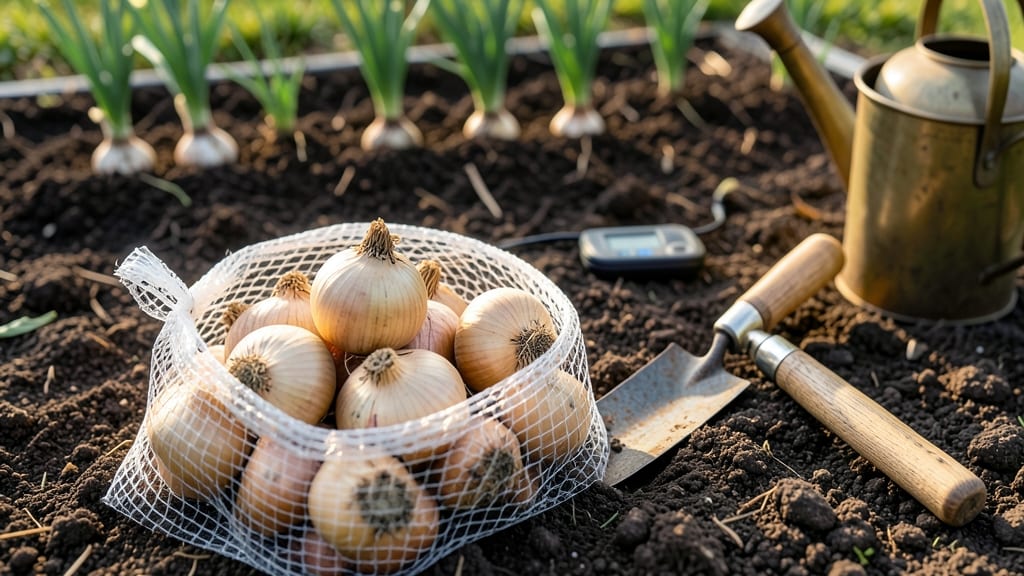
Planting daffodil bulbs at the wrong time in Missouri can mean the difference between vibrant spring blooms and wasted effort. The ideal window—October to November—aligns with soil cooling but before the ground freezes solid.
Skip this timing, and your 🌼 might rot or fail to root before winter sets in.
Missouri’s USDA Zones 5b-6a create a unique challenge: northern counties like St. Louis need bulbs in the ground by early October, while southern areas like Springfield can wait until mid-November.
The key? Planting 4-6 weeks before your county’s first hard frost—typically around October 15—gives roots time to establish without overheating.
Why does this matter? Daffodils thrive when they experience winter’s chill, but they won’t survive if planted too late. I’ll show you how to adjust for Missouri’s unpredictable frost dates, choose the right varieties for your zone, and ensure your bulbs bloom earlier and bigger next spring.
Whether you’re a first-time gardener or a veteran with patchy results, these Missouri-specific tips will help you time your planting perfectly. Let’s get those bulbs in the ground the right way—so you can enjoy months of cheerful color starting in April.
Missouri’s frost-date zones: best planting months by county
Missouri’s USDA Zones 5b-6a create a 6-week window for planting daffodil bulbs—critical for ensuring they root before winter. Northern counties like Adair or Holt face earlier frosts (mid-October), while southern areas like Cape Girardeau or St. Louis can wait until early November.
The rule: plant 4-6 weeks before ground freezes for optimal spring blooms.
Local frost data shows northern Missouri typically hits 28°F by October 15, while southern regions may delay until November 1. This geographic split means gardeners in St. Louis County have a 3-week buffer compared to Clay County in the northwest.
Check your county’s historical frost dates to avoid planting too late.
Here’s your county-by-county guide to planting daffodil bulbs in Missouri, with ideal dates based on 30-year frost averages. Use this to time your fall planting for spring color:
For northern Missouri, aim to plant by October 10 in Zone 5b counties like Adair or Holt. Soil temps should hover around 50–60°F for root establishment. Use a soil thermometer to confirm—if temps drop below 40°F, bulbs risk rot.
In southern Missouri, Zone 6a counties such as Cape Girardeau can plant until early November. However, avoid waiting too long—bulbs need 4–6 weeks to root before winter. If you miss the window, store bulbs in a cool, dry place (like a garage) until spring.
Pro tip: Plant deeper in colder zones (6–8 inches) to insulate bulbs from freeze-thaw cycles. In warmer southern zones, 4–6 inches suffices. Always plant in well-draining soil—daffodils hate soggy roots, which lead to rot.
Missouri’s microclimates can shift frost dates by 1–2 weeks. If your yard sits in a low-lying area, expect frost 3–5 days earlier than official records. Use a local weather app or cooperative extension service for real-time updates.
After planting, mulch with 2–3 inches of straw to protect bulbs from temperature swings. Remove mulch in early spring to allow sunlight to trigger blooming. With the right timing, your daffodils will reward you with vibrant spring color—often before other perennials even emerge!
🌼
How to adjust planting for early vs. late frost years in Missouri
Missouri’s unpredictable frost patterns can turn a perfectly timed daffodil planting into a gamble. One year, your October 15 bulbs might get buried under snow by November 1, while the next, a late freeze in December could leave them exposed.
The solution? Flexible strategies that account for early frost years and late frost years—without sacrificing next spring’s blooms.
I’ve learned the hard way that bulb depth and mulch thickness make all the difference. In northern Missouri (like St. Louis), where frost can hit by October 20, I plant bulbs 8 inches deep and cover them with 4-6 inches of straw mulch.
In southern areas (like Springfield), where frost often waits until November 15, I can get away with 6 inches deep and 3 inches of mulch.
Here’s the critical adjustment: Monitor your local frost forecast starting in September. If your county’s first hard frost is predicted earlier than usual, push bulbs deeper and add extra mulch immediately. If frost delays, you’ve got a 2-3 week grace period to plant without risking rot.
If your daffodil bulbs sprout before winter (a sign of too-early planting or warm soil), they’ll freeze back to the ground. To salvage them:
- Cut back sprouts to 2 inches tall and cover with 6+ inches of mulch.
- Add a thick layer of leaves or straw to insulate roots.
- Wait until spring thaw—new shoots will emerge stronger.
🌱 Pro Tip: Use a soil thermometer to check temps—bulbs need 40-50°F soil to root but won’t survive below 32°F.
For late frost years, focus on mulch timing. Instead of adding mulch right after planting, wait until mid-November to apply a 3-inch layer. This delays soil cooling, giving roots extra time to establish.
In my Zone 6a garden, this tactic has added 1-2 weeks of root growth before winter sets in.
Don’t overlook bulb spacing either. In early frost years, plant bulbs closer together (4-5 inches apart) to create a warmer microclimate from shared heat. In late frost years, space them 6 inches apart for better air circulation and reduced rot risk.
Finally, keep an eye on soil moisture. Overwatered bulbs in cold soil rot faster. Water deeply once after planting (but only if rain hasn’t fallen), then let nature take over. A well-draining soil with organic matter is your best defense against both early and late frost stress.
With these adjustments, your daffodils will bloom reliably year after year—no matter how Missouri’s weather surprises you. Next spring, you’ll thank yourself for the extra care now. 🌼