
Plants
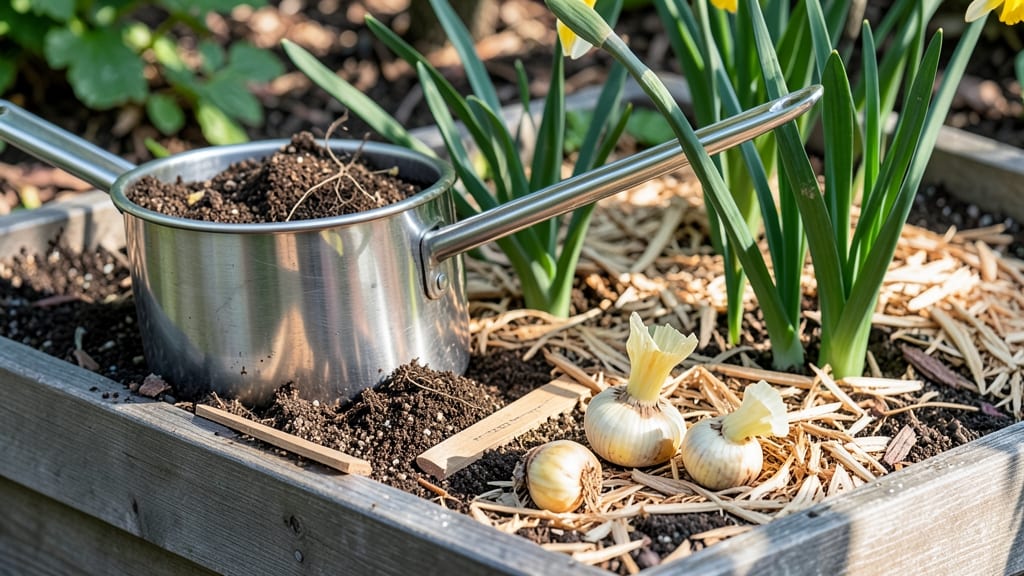
Planting daffodil bulbs in Alabama isn’t just about waiting for fall—it’s about reading your local microclimate like a map. Too early, and soggy soil sends them to an early grave; too late, and winter’s first frost stalls their roots before they can take hold.
The ideal window shifts dramatically from Huntsville’s chilly highlands to Mobile’s milder coast, where 6-8 weeks before the first frost becomes your golden rule.
Let’s cut through the guesswork. Alabama’s USDA zones 7b-8a mean your neighbors’ perfect timing might not work for you.
Whether you’re in Madison County’s cooler hills or Baldwin County’s humid lowlands, knowing your last frost date (usually November 15) is the key to planting between October and November—when soil stays cool but not frozen.
Here’s what you’ll discover: how to adjust for Alabama’s unpredictable weather, the best daffodil varieties for your zone, and zero-fail tips to avoid common mistakes. No more second-guessing—just vibrant 🌼 blooms next spring.
Ready to turn your garden into a daffodil paradise? Let’s get those bulbs in the ground the right way, the first time.
Alabama’s daffodil planting zones: frost dates by county for peak bloom timing
Alabama’s USDA zones 6b-8a create dramatic differences in frost timing that directly impact your daffodil planting window. In Madison County (Huntsville), where winters can dip below 20°F, you’ll need to plant bulbs by October 15 to avoid frost damage.
Meanwhile, Baldwin County (Mobile) often enjoys milder winters, giving you until November 15—but only if you’ve already tested your soil for well-draining conditions.
This variation means your 6-8 week planting window before the first frost shifts from early October in the north to mid-November in the south. Missing this window risks bulbs rotting in soggy soil or failing to root before dormancy.
Let’s break down your county’s frost averages and the exact dates to aim for.
Key rule: Plant daffodil bulbs when soil temperatures drop below 60°F but stay above 40°F. This balance ensures roots establish without encouraging rot. In Alabama, this typically aligns with October 1–November 15, but your exact timing depends on your county’s microclimate.
| County | USDA Zone | Avg First Frost | Ideal Planting Window | Bulb Depth |
|---|---|---|---|---|
| Madison (Huntsville) | 7a | Nov 10 | Oct 1–15 | 6 inches |
| Jefferson (Birmingham) | 7b | Nov 15 | Oct 15–Nov 1 | 5 inches |
| Montgomery | 7b | Nov 12 | Oct 20–Nov 5 | 5 inches |
| Mobile (Baldwin) | 8a | Nov 25 | Nov 1–15 | 4 inches |
| Huntsville (Madison) | 7a | Nov 8 | Sep 25–Oct 10 | 6 inches |
| Auburn (Lee) | 7b | Nov 14 | Oct 10–20 | 5 inches |
| Gadsden (Etowah) | 7a | Nov 5 | Sep 20–Oct 5 | 6 inches |
| Dothan (Houston) | 8a | Nov 20 | Oct 25–Nov 10 | 4 inches |
| Florence (Lauderdale) | 8a | Nov 22 | Nov 1–10 | 4 inches |
| Decatur (Morgan) | 7b | Nov 13 | Oct 15–Nov 1 | 5 inches |
*Bulb depth adjusts for soil type: add 1 inch in clay-heavy soils (common in North Alabama).
Notice how Madison and Etowah counties (like Huntsville and Gadsden) have earlier frost dates, forcing you to plant by mid-October.
Meanwhile, Mobile and Baldwin counties can wait until November—but only if your soil drains well. Clay soils (common in North Alabama) require deeper planting (7 inches) to prevent rot, while sandy soils in the south can take shallower bulbs (4 inches).
Pro tip: Use a soil thermometer to confirm temperatures are between 50–60°F before planting. In Zone 7a (like Madison County), this might mean waiting until mid-October, even if the calendar says October 1. Zone 8a gardeners (like Baldwin County) can often plant later because milder winters reduce frost risk.
If you’re in a transition zone (like Jefferson or Montgomery counties), aim for early October planting.
These areas experience unpredictable temperature swings, so don’t wait too long—even a 20°F dip can damage unrooted bulbs. Mulch with 2–3 inches of straw after planting to insulate bulbs and retain moisture during Alabama’s winter dry spells.
One common mistake? Planting in September because “it
How to adjust planting for Alabama’s unpredictable weather: rain, heat, and early freezes
Alabama’s clay-heavy soils and unpredictable weather can turn daffodil planting into a guessing game. One week you’re battling late summer heat, the next you’re dodging October downpours that turn your garden into mud.
The key? Flexibility. If your ideal October window slips due to rain or heatwaves, don’t panic—adjust your approach to protect those bulbs.
First, test your soil’s moisture levels before planting. Stick your finger 4-6 inches deep—if it’s damp, wait. Clay soils in North Alabama (like those in Madison County) hold moisture like a sponge, and soggy conditions send bulbs straight to rot.
Aim for soil that’s cool but not waterlogged, ideally between 50-60°F.
⚠️ callout warning ⚠️
If November 1 rolls around and your bulbs are still in storage, don’t force it. Daffodils need 6-8 weeks to root before winter dormancy. Instead, plant in early December (if frost isn’t imminent) or hold bulbs in a cool, dark place (like a garage) until next fall. Late planting risks include stunted growth or bulbs freezing before roots establish.
Risk Assessment Checklist: ☑️ Soil temp below 60°F? (Use a soil thermometer) ☑️ First frost date in your county? (Check Alabama A&M Extension) ☑️ Bulbs planted 4-6 weeks before frost? ☑️ Mulch layer (3-4 inches) in place?
For clay-heavy soils, amend the planting area with compost or sand to improve drainage. Mix in 1-2 inches of organic matter per square foot to break up compaction. In North Alabama, where clay dominates, consider planting in raised beds or on sloped ground to avoid water pooling around bulbs.
When rain delays planting, use mulch as a buffer. Apply a 3-4 inch layer of straw or shredded leaves over planted bulbs to insulate them from temperature swings and keep soil moist without waterlogging.
In Mobile or Baldwin County, where humidity lingers, mulch also prevents fungal diseases like basal rot.
If late summer heat (like Alabama’s infamous September heatwaves) pushes back your planting, store bulbs in a cool, dark place (like a garage or basement) until soil temps drop. Pre-sprouting bulbs indoors isn’t recommended—daffodils need cold stratification to bloom properly. Instead, wait for soil temps below 70°F.
Pro tip: Mark your planting spots now with flags or stakes. This prevents accidental digging in spring when daffodil foliage emerges. Alabama’s early October rains can wash away unmarked rows, leaving you with a muddy mess. A little prep now saves hours of frustration later.