
Plants
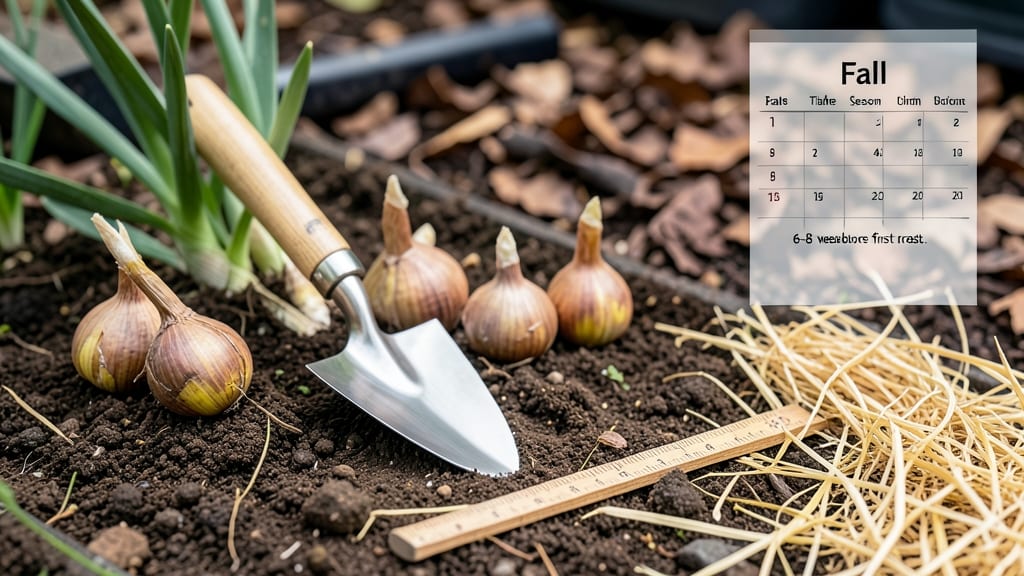
Planting daffodil bulbs at the wrong time in Virginia could mean waiting another year for those cheerful 🌼 blooms to appear.
The key isn't just picking a month—it's understanding when your soil reaches the perfect 50-60°F temperature for fast root growth, which happens earlier in the mountains than near the coast.
Most Virginia gardeners assume October is the only window, but that's where they go wrong. The real secret lies in planting 4-6 weeks before the ground freezes, giving those bulbs time to establish roots before winter sets in.
Whether you're in Piedmont or Tidewater, timing your daffodils right means fewer surprises when spring arrives.
I've learned the hard way that rushing the process leads to weak roots and disappointing blooms. That's why I'll show you exactly how to check soil temperature and adjust your planting schedule based on your specific Virginia zone—so you can enjoy vibrant daffodils next spring without the guesswork.
From soil prep tricks to frost-date calculations, here's everything you need to know to get those bulbs in the ground at the perfect moment for maximum success. Let's make next year your best spring yet.
Virginia’s ideal soil temperature for planting daffodil bulbs
Daffodils thrive when planted in soil that's cooled to 50-60°F, creating the perfect balance for root growth before winter dormancy. This temperature range isn't just a number—it's the golden window that determines whether your bulbs will establish strong roots or rot in cold, wet soil.
In Virginia, where microclimates vary dramatically from the Blue Ridge Mountains to the Tidewater coast, understanding this range helps you avoid common mistakes like planting too early in warm soil or too late when frost is imminent.
The science behind this ideal range is simple: daffodil bulbs need 4-6 weeks of cool soil (50-60°F) to develop a 6-inch root system before the ground freezes. Below 50°F, root growth slows dramatically, while above 60°F, bulbs may sprout prematurely and get damaged by early frosts.
My experience shows that gardeners who ignore soil temperature often end up with weak stems and poor blooms the following spring.
Virginia's diverse climate means your planting window varies by region. Mountain areas like Roanoke (Zone 6b) can plant as early as late September, while coastal areas like Norfolk (Zone 8a) may need to wait until mid-November.
The key is checking soil temperature with a soil thermometer—not guessing by calendar dates. I always test my soil at 6 PM for the most accurate reading, as afternoon warmth can skew results.
Here's what happens when you get the timing wrong: Planting too early in warm soil (65°F+) causes bulbs to sprout prematurely, leading to frost damage.
Planting too late in cold soil (45°F-) means roots won't establish before winter, resulting in weak or no blooms next spring. The 50-60°F zone is where magic happens—roots grow actively while tops remain dormant until spring.
| Virginia Region | Ideal Soil Temp Range | Planting Window | Root Growth Rate |
|---|---|---|---|
| Mountains (Zone 6b) | 50-60°F | Late Sept - Early Nov | Fast (6+ inches in 4 weeks) |
| Piedmont (Zone 7a) | 50-60°F | Mid-Oct - Mid-Nov | Moderate (5-6 inches in 4 weeks) |
| Coastal (Zone 8a) | 50-60°F | Late Oct - Mid-Dec | Slow (4-5 inches in 4 weeks) |
| All Regions | Critical Zone | 4-6 weeks before frost | 6+ inches of roots |
To accelerate root growth in Virginia's cooler climates, I recommend adding a 2-inch layer of compost to planting holes before inserting bulbs. This raises the soil temperature slightly while providing nutrients.
In Zone 6b mountains, where soil cools faster, I often plant 2 weeks earlier than the Piedmont to take advantage of the longer growing season. The compost acts like a natural insulator, keeping roots growing even as surface temps drop.
Don't rely on air temperature alone—soil temperature can be 10-15°F cooler than the air, especially after sunset. I've seen gardeners plant in October when air temps were 70°F but soil was only 55°F, leading to poor root development.
Always check soil temperature at 6 PM for the most accurate reading before planting. This simple step has saved me from wasted bulbs more times than I can count.
Another pro tip: If your soil stays above 60°F into November, consider planting in containers and moving them to a cooler garage or basement until soil temps drop.
This gives you flexibility in late-season planting without risking premature sprouting. I've used this method successfully in Richmond's Zone 7b when warm spells extended into December.
Remember that daffodil bulbs need 6-8 weeks of chill hours (below 40°F) to bloom properly. Planting too late in warm soil means bulbs may not get enough cold exposure, resulting in poor or no flowering.
The 50-60°F window ensures both proper root growth and adequate chill period for next spring's blooms.
For gardeners in Zone 8a coastal areas, where winters are milder, I recommend planting closer to December to ensure bulbs get the 4-6 weeks of cool soil they need. The later planting date still works because the ground stays workable longer in these zones.
Always aim to plant at least 6 weeks before your average first frost date—this is your safety net for success.
By mastering soil temperature, you'll transform daffodil planting from a guessing game to a predictable success. Next spring, you'll be rewarded with vibrant blooms that emerge earlier and last longer than neighbors who planted on calendar dates alone. The secret is in the soil—literally! 🌼
Best planting months in Virginia by region (with exact dates)
Virginia's diverse climate means your daffodil planting window varies dramatically between regions. While coastal areas like Tidewater may still have 60°F soil in early November, mountain gardeners in the Appalachians need to plant by mid-October to avoid early freezes.
The key is following the 6-week pre-freeze rule—plant when your local last frost date is exactly 6 weeks away.
For most Virginia gardeners, this translates to planting between mid-October and early November. But without knowing your exact region, you risk planting too early (when soil is still warm) or too late (when roots can't establish before freeze).
Let's break down the perfect timing for each Virginia region to ensure your daffodils get a strong start.
| Region | USDA Zone | Ideal Planting Window | Soil Temp Goal | Last Frost Date |
|---|---|---|---|---|
| Mountain (Blacksburg, Roanoke) | 6a-6b | Mid-October to late October | 50-55°F | November 5-15 |
| Piedmont (Richmond, Charlottesville) | 7a-7b | Late October to early November | 55-60°F | November 15-25 |
| Tidewater (Norfolk, Virginia Beach) | 8a | Early November to mid-November | 60-65°F | December 1-10 |
If you're in the Mountain region, aim to plant by October 20th—any later and your bulbs may not establish roots before the ground freezes.
Piedmont gardeners have slightly more flexibility, with November 1st being the ideal deadline. Meanwhile, Tidewater gardeners can push it to November 15th thanks to milder winters.
Pro tip: Use a soil thermometer to confirm temperatures. Daffodil bulbs need 4-6 weeks of root growth before winter sets in, so don't rely solely on calendar dates. If your soil stays above 50°F for longer than expected, you have a few extra days to plant.
For gardeners in transition zones (like the Blue Ridge Foothills), err on the earlier side. The 6-week rule ensures roots have time to grow even if winter arrives unexpectedly early. And remember—well-draining soil is just as important as timing, especially in wetter coastal areas.
Once planted, protect your bulbs with a 2-3 inch layer of mulch to insulate them through winter. This simple step can make the difference between robust spring blooms and weak, sparse flowers.
With the right timing and care, your Virginia garden will burst with cheerful daffodils that brighten up even the grayest spring days. 🌼