
Plants
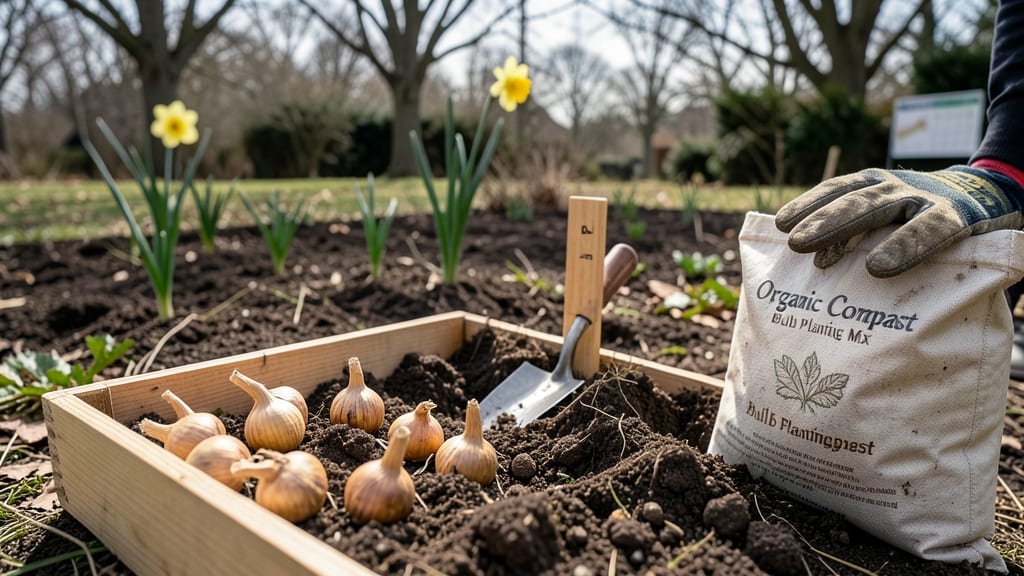
Planting daffodil bulbs at the wrong time in Oklahoma could mean watching your 🌼 blooms disappear before they even peek through the soil.
The key isn't just picking a month—it's reading your soil's temperature cues, because those 40–50°F thresholds make all the difference between a thriving spring garden and a frost-fried disappointment.
Most gardeners in zones 6b–7a swear by October–November, but here's the catch: Oklahoma's unpredictable swings mean timing can vary by 2–3 weeks depending on whether you're in Tulsa or the Panhandle.
I'll break down exactly how to sync your planting with your local frost dates and soil conditions—so you're not left guessing when the ground's ready.
You might think late fall is safer, but that's where many gardeners go wrong. Planting too late risks shallow roots that freeze before winter sets in, while early planting can leave bulbs vulnerable to early November frosts.
The solution? A simple soil thermometer check and a few pro tips tailored to Oklahoma's climate quirks.
Let's cut to the chase: I'll show you the exact window to plant for zero-frost success, plus how to adjust for mulching, bulb depth, and even which daffodil varieties handle Oklahoma's mood swings best. Ready to turn your fall planting into next spring's showstopper?
Oklahoma’s best planting months for daffodil bulbs (soil temp guide)
Timing your daffodil bulbs perfectly in Oklahoma means understanding soil temperature thresholds and regional frost risks. Unlike cooler climates, Oklahoma’s USDA zones 6b–7a demand precise planting windows to avoid frost damage while ensuring vibrant spring blooms.
The ideal window spans October through December, but your exact timing depends on where you live in the state.
Northern Oklahoma—like Oklahoma City and the Panhandle—has colder winters, so aim for early October planting when soil temps hit 50–60°F. Southern regions, including Tulsa and the southeastern corner, can plant slightly later, even into early December, since milder winters delay frost.
Rural areas often experience earlier freezes, so adjust accordingly.
Here’s the key rule: Plant when soil temperatures consistently stay between 40–50°F at a depth of 6 inches. This ensures roots establish before winter sets in. Use a soil thermometer to check—it’s your best tool for success.
Avoid planting too early (late September) in northern Oklahoma, as bulbs may sprout prematurely and get damaged by early frosts. Conversely, delaying until January risks bulbs rotting in cold, wet soil. Balance is critical.
Daffodils thrive in Oklahoma’s full sun and well-draining soil, but timing is the real game-changer. Once planted, they’ll reward you with bold spring color and deer-resistant foliage, making them a low-maintenance star for any garden.
| Region | Ideal Planting Window | Soil Temp Threshold (°F) | Frost Risk Note |
|---|---|---|---|
| Northern OK (OKC, Panhandle) | Early October – Mid-November | 50–60°F (6" depth) | High early frost risk |
| Central OK (Oklahoma City) | Mid-October – Early December | 45–55°F (6" depth) | Moderate frost risk |
| Southern OK (Tulsa, SE) | Late October – Early December | 40–50°F (6" depth) | Low frost risk |
| Rural Areas (e.g., Wichita Mts.) | Early October – Mid-November | 50–60°F (6" depth) | Early freezes common |
If you’re in Tulsa or the southeastern corner, you can push planting into early December, as milder winters delay frost. But for Oklahoma City or the Panhandle, stick to early October to avoid early freezes. Always plant bulbs 6–8 inches deep and 6 inches apart for optimal growth.
Pro tip: Use mulch (2–3 inches) after planting to insulate bulbs from temperature swings. This extra layer helps regulate soil temps and protects roots during late fall dips or early spring thaws. Organic mulch like straw also improves soil structure over time.
Daffodils are perennial powerhouses in Oklahoma gardens, returning year after year with minimal care. By planting at the right time—when soil temps hit that 40–50°F sweet spot—you’ll set the stage for showstopping spring blooms and a garden that thrives despite Oklahoma’s unpredictable weather.
Remember, soil temperature is your best friend here. Check it weekly in fall, and you’ll never miss the perfect planting window again. Happy gardening!
How to adjust planting time for Oklahoma’s frost risks (pro tips)
Oklahoma’s frost dates vary wildly—from early November in the Panhandle to mid-December in southeastern regions. This means your daffodil bulbs need flexible timing strategies to thrive. If you’re in Zone 6b (like Oklahoma City), aim for mid-October planting. But in Zone 7a (Tulsa), you’ve got until late November.
Late frosts can still sneak in, especially in elevated areas or near urban heat islands. The key is to plant 6-8 weeks before your first frost date—but adjust based on soil temperature.
Use a soil thermometer to confirm the ground is 40–50°F at 4 inches deep. This ensures roots establish before winter sets in.
⚠️ callout-warning
If your area faces unpredictable late frosts (like the Panhandle), plant shallow bulbs (4–6 inches deep) and cover with straw mulch (3–4 inches). For southeastern Oklahoma, deeper planting (6–8 inches) adds extra frost protection.
🌱 Pro Tip: Test soil moisture—dry soil freezes faster than damp soil.
For extended planting windows, try container growing. Pots let you move daffodils to protected spots (like a garage or shed) if frost threatens. Just ensure pots have drainage holes and use a lightweight potting mix to prevent waterlogging during Oklahoma’s sporadic winter rains.
If you miss the ideal window, don’t panic! December planting is still viable in Zone 7a, but use a warm microclimate (like a south-facing slope) and extra mulch. Avoid planting after December 15—roots won’t have enough time to anchor before dormancy.
For high-risk zones, like the Panhandle, opt for early-blooming varieties (e.g., ‘Tête-à-Tête’). These tolerate shorter growing seasons and often bloom 2–3 weeks earlier than standard daffodils. Pair them with heavy mulch (straw or leaves) to insulate bulbs from temperature swings.
Finally, mark your last frost date on your calendar and set reminders for soil checks every 2 weeks in fall. Oklahoma’s microclimates mean your neighbor’s perfect timing might not work for you—so stay flexible and adjust as needed.
With these tweaks, your daffodils will bloom reliably year after year, no matter where you garden in Oklahoma. 🌼