
Plants
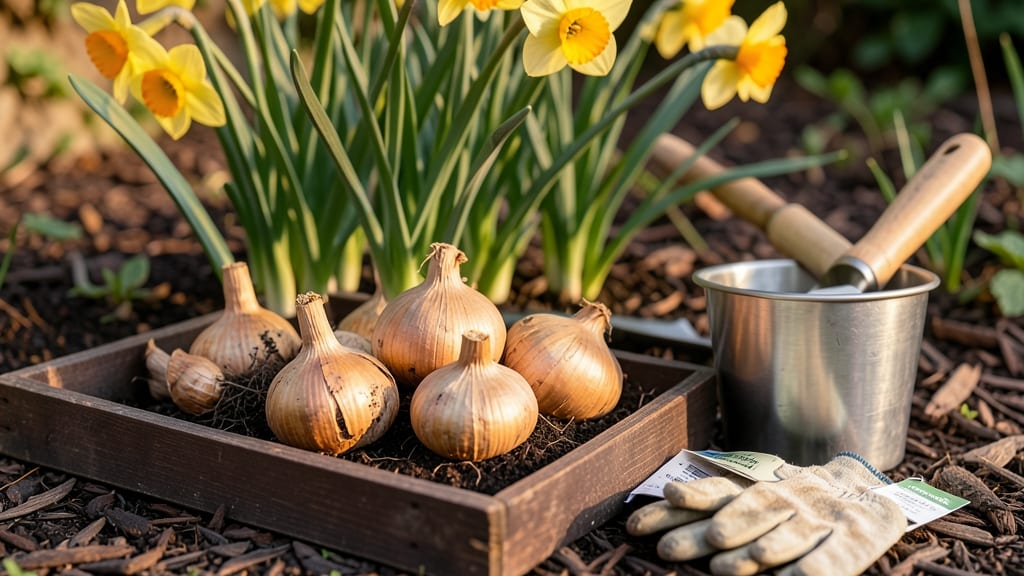
Planting daffodils in Massachusetts at the wrong time could mean missed spring blooms or bulbs lost to frost—so timing is everything. The key window is October through November, when soil temperatures drop to 45-55°F and before the first frost hits.
This 6-8 week period lets roots establish before winter, ensuring those cheerful 🌼 trumpets push through snow next spring.
Why does this matter? Because Massachusetts’ Zone 6a climate means frost can sneak in early, and planting too late means bulbs won’t root deeply enough. I’ve seen gardeners rush and end up with half-hearted blooms—or worse, no blooms at all.
The secret isn’t just picking a month; it’s reading your soil and local frost forecasts like a pro.
Here’s what you’ll discover: how to tell when your soil is ready (hint: it’s not about the calendar date), the one critical mistake even experienced gardeners make, and how to adjust for early or late winters.
By the end, you’ll know exactly when to dig those bulbs in for zero-frost success—and why waiting until December is already too late.
Let’s cut to the chase: the best time to plant daffodils in Massachusetts isn’t just a date—it’s a science. I’ll walk you through the exact steps to time it perfectly, so you’re not left with bare spots where your 🌼 should be blooming.
Ready to stop guessing and start growing?
Massachusetts daffodil planting timeline: exact months by Zone 5-6
Timing your daffodil planting in Massachusetts (USDA Zones 5-6) means the difference between vibrant spring blooms and wasted bulbs. The ideal window is a narrow 6-8 week stretch before the ground freezes—typically mid-September through October.
This gives roots time to establish before winter, while avoiding the first hard frost that can damage tender new growth.
In Zone 5 (western MA), aim for late September to early October—when soil temps drop to 50-55°F. Zone 6 (eastern MA) can extend planting until mid-October, but don’t wait past October 15 unless you’ve got a heated greenhouse for backup.
The key is planting when daylight fades but before ground temperatures hit 40°F consistently.
Here’s the critical rule: Plant when your local forecast shows 4-6 weeks until the first hard frost (typically October 15-30 in MA). Use the National Weather Service or Old Farmer’s Almanac for your specific town—frost dates vary by 1-2 weeks even within the state.
🌼
| Planting Window | USDA Zone 5 | USDA Zone 6 | Soil Temp Threshold | Moon Phase Tip |
|---|---|---|---|---|
| Ideal Month | Late September - Early October | Mid-September - Mid-October | 50-55°F | Plant during waxing moon for root growth |
| Last Chance | October 15 | October 30 | Above 40°F | Avoid full moon planting |
| Soil Prep | Loosen to 12" | Loosen to 12" | Well-draining | Add compost for nutrients |
| Depth | 6-8 inches | 6-8 inches | 2x bulb height | Pointy end up |
| Spacing | 4-6 inches apart | 4-6 inches apart | Prevents crowding | Mulch after planting |
Adjust your planting timeline based on early/late winters. If your area had an early frost in November last year, shift planting to September.
Conversely, if winters are mild (like in Zone 6b coastal areas), you can plant until November 1—but cover bulbs with straw if frost threatens before roots establish.
Pro gardeners in MA swear by moon phase planting for daffodils. The waxing moon (when the moon is growing brighter) is ideal because it boosts root growth.
Check a lunar calendar and aim for planting during the first quarter moon in September or third quarter moon in October for best results.
Don’t fall for the myth that you can plant daffodils anytime in fall. If you plant too early (August), bulbs may sprout before frost and get killed. Planting too late (November) means roots won’t anchor before winter, leading to weak spring blooms or no flowers at all.
Stick to the 6-8 week window before frost for guaranteed success.
After planting, water deeply once to settle soil around bulbs, then mulch with 2-3 inches of straw or shredded leaves. This insulates roots from temperature swings and suppresses weeds. In Zone 5, add an extra inch of mulch if winters are harsh—this can mean the difference between
5 Signs you’re planting daffodils at the perfect time in MA
Timing your daffodil planting isn’t just about picking a month—it’s about reading your soil and climate like a pro. The perfect window in Massachusetts (USDA Zones 5-6) arrives when soil temperatures hit 45-55°F and daylight shrinks to 10-12 hours.
This balance lets bulbs root deeply before winter, setting the stage for those cheerful spring blooms you’re dreaming of.
Many gardeners wait until after the first frost, but that’s a critical mistake. Bulbs need 6-8 weeks to establish roots before the ground freezes solid. If you plant too late, your daffodils might sprout too early in spring—only to get nipped by late frosts.
The key is acting before frost, not after. Here’s how to tell when your garden is ready.
-
1
Soil Temperature: 45-55°F
Use a soil thermometer—this is your #1 indicator. Cool but not frozen soil (test 3-4" deep) means bulbs can root without rotting. If it’s below 40°F, wait.
-
2
Daylight: 10-12 Hours
Check your local sunrise/sunset times. When days drop below 12 hours (usually late September/early October), bulbs get the dormancy signal they need to root.
-
3
Local Frost Forecast: 6+ Weeks Away
Consult the National Weather Service for your town. Plant when the first hard frost is predicted 6+ weeks out. In MA, this is typically mid-October.
-
4
Bulb Firmness Test: No Sprouts
Gently squeeze your bulbs—if they’re firm with no green shoots, they’re ready. If you see sprouts, plant immediately (they’ll root faster but need protection from frost).
-
5
Zone Map Confirms: You’re in 5-6
Double-check your USDA Zone (MA is mostly 6a). If you’re in Zone 5, plant 1-2 weeks earlier than Zone 6. Use the USDA Interactive Map for precision.
Pro tip: Combine these signs with your local frost date history. For example, if your town’s average first frost is October 15th, aim to plant by September 1st to give roots 6 weeks to establish.
I’ve seen gardeners in Western MA (Zone 5) plant as early as late August—but only if soil temps are right.
One more thing: don’t wait for the first frost. Many gardeners think frost signals "time to plant," but bulbs need warm soil to root. Planting after frost means bulbs sit in cold ground, struggling to grow. Instead, use these signs to act proactively—your spring blooms will thank you.
Ready to dig in? Grab your soil thermometer, check the forecast, and plant when all five signs align. Your 🌼 daffodils will reward you with bold, early spring color—and you’ll avoid the heartbreak of half-bloomed flowers or lost bulbs. Happy planting!