
Plants
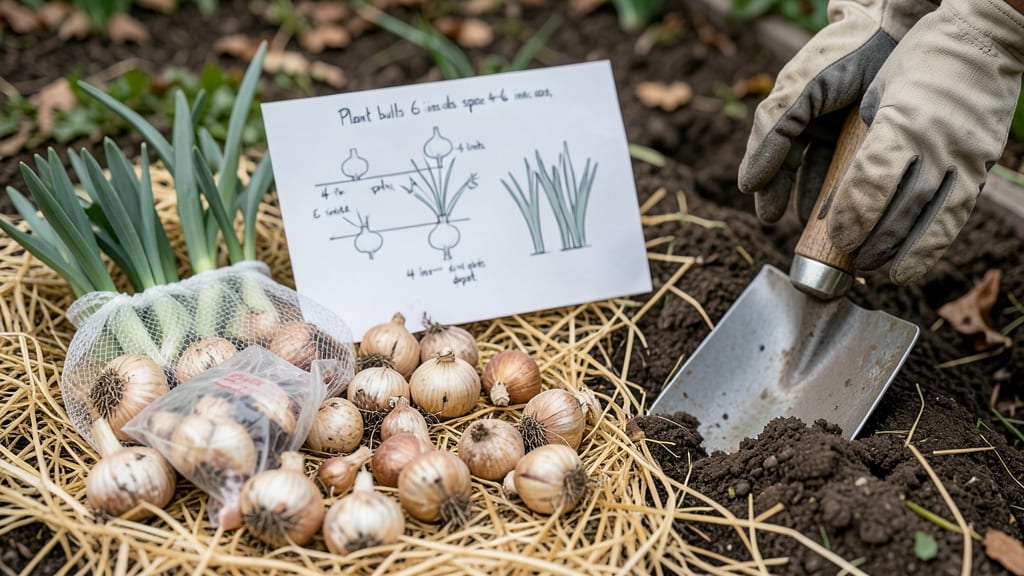
Planting daffodils in Virginia at the wrong time can mean the difference between a garden bursting with 🌼 bright blooms and a winter loss.
The key isn't just the calendar—it's understanding when your soil cools enough to protect those delicate bulbs from early frosts that can strike as early as mid-November in zones 6a-7b.
Most Virginia gardeners swear by fall planting between October and November, but the real secret lies in soil temperature. Aim for 40-50°F—that's when daffodils start their root growth without risking frost damage.
Too early, and they'll wake up too soon; too late, and they might not establish properly before winter sets in.
What if you missed the fall window? Don't panic—mild coastal areas might still get a second chance in early December, while inland regions should hold off until spring. The trick is adjusting for your microclimate, whether you're in the Tidewater region or the foothills of the Blue Ridge Mountains.
I'll walk you through exactly how to time it right, from reading your soil's temperature cues to choosing the perfect daffodil varieties that thrive in Virginia's unpredictable frost patterns. Let's make sure your garden gets those zero-frost blooms you're dreaming of.
Virginia daffodil planting calendar: soil temperature rules for frost-free growth
Virginia's USDA zones 6a-7b create a tricky balance for daffodil planting—too early, and frost zaps your bulbs; too late, and they won't establish before winter. The real magic happens when soil temperatures drop to 40-50°F, signaling daffodils to start root growth without risking frost damage.
This window typically opens in late September to early November, but your exact timing depends on whether you're in the coastal Tidewater region or the cooler Blue Ridge Mountains.
Most Virginia gardeners follow the 6-week rule: plant daffodils about 4-6 weeks before the ground freezes. For inland areas, this usually means mid-October to early November. Coastal regions can stretch it to early December thanks to milder winters.
The key is checking soil temps—not just air temps—because cold air doesn't always translate to frozen ground.
Here's how to read your soil's temperature cues: stick a soil thermometer 4-6 inches deep (where daffodil roots will grow). When it consistently reads 40-50°F for 3-5 days, it's time to plant.
This usually aligns with late October in most of Virginia, but can shift by 2-3 weeks depending on your microclimate.
🌱
| Region | Optimal Planting Window | Soil Temp Range | Frost Risk | Pro Tip |
|---|---|---|---|---|
| Tidewater (6b) | Late Oct - Early Dec | 45-50°F | Low (mild winters) | Can plant later due to coastal protection |
| Central VA (7a) | Mid-Oct - Late Nov | 40-48°F | Moderate | Use thick mulch for extra protection |
| Blue Ridge (6a) | Early Oct - Mid-Nov | 40-45°F | High | Plant early and cover with straw |
| Shenandoah Valley (6b) | Late Oct - Early Nov | 42-48°F | Moderate-High | Choose early-blooming varieties |
If you missed the fall window entirely, don't despair—Virginia's mild winters sometimes allow for early spring planting (February-March) in zones 7a-7b. The trick is to plant shallowly (2-3 inches deep) and keep the soil moist until roots establish.
This works best in coastal areas where frosts are less severe, but inland gardeners should avoid this method due to higher frost risk.
For maximum success, pair your planting timing with proper bulb selection. In Virginia's climate, hardy varieties like 'Ice Follies' and 'Tête-à-Tête' handle our unpredictable frosts better than delicate hybrids. These varieties can tolerate 20-30°F soil temps once established, giving you extra margin for error with your planting schedule.
Don't forget that microclimates matter. A south-facing slope will warm up faster than a north-facing garden bed, potentially extending your planting window by 1-2 weeks. Similarly, urban areas with heat island effect may stay warmer longer, while rural spots can freeze earlier.
Always adjust your timing based on your specific garden conditions rather than relying solely on regional averages.
One common mistake Virginia gardeners make is planting based on air temperature rather than soil temperature. A crisp 50°F day might feel perfect, but if the soil is still 60°F below, your daffodils will wake up too early and get fried by the next frost.
Always check soil temps—it's the one sure way to guarantee your bulbs stay dormant until spring.
For a foolproof system, I recommend setting up a soil temperature alert using a simple thermometer and marking your calendar when temps hit 45°F. This gives you a 2-week window to plant before the ground freezes solid.
In most of Virginia, this means aiming for mid-October as your target date, with flexibility for your specific microclimate.
🌿
5 Pro tips to plant daffodils in Virginia without frost damage
Even with perfect timing, Virginia's unpredictable frosts can still threaten your daffodils. The secret to zero-frost blooms lies in these five proven strategies that go beyond just planting dates.
These methods create a protective shield around your bulbs, ensuring they survive even our harshest late-winter freezes that can hit as late as mid-April in the mountains.
First, let's talk about bulb hardening. Before planting, store your daffodil bulbs in a cool, dark place (like your garage) for 2-3 weeks. This mimics autumn's gradual temperature drop and helps them develop thicker protective layers.
I always do this with my 'Thalia' varieties, which are particularly sensitive to sudden cold snaps that can occur in Virginia's transitional seasons.
Next, choose your planting location carefully. Microclimates make all the difference—a south-facing bed stays warmer at night and may protect your daffodils from radiant frost. I've seen a difference of 5°F warmer in my south-facing garden compared to my north-facing beds during early spring frosts.
This extra warmth can mean the difference between thriving blooms and frost-damaged stems.
- Harden bulbs for 2-3 weeks in 50-60°F before planting to toughen cell walls against frost
- Plant in south-facing beds where temps stay 3-5°F warmer at night during late frosts
- Use 3-4 inches of straw mulch after planting to insulate bulbs from ground-level freezing
- Pair with alliums or tulips that bloom earlier to create a protective canopy
- Apply anti-desiccant spray in late winter to prevent moisture loss during freeze-thaw cycles
Don't underestimate the power of mulching. After planting, cover the soil with 3-4 inches of straw or shredded leaves. This creates an insulating layer that can make the difference between 20°F soil temps and 30°F soil temps during our worst freezes.
I always use straw because it breaks down slowly and provides continuous protection throughout winter.
Another clever trick is companion planting. Daffodils pair beautifully with alliums or tulips that bloom earlier in the season. These early bloomers create a protective canopy that shields your daffodils from late frosts.
In my garden, I've noticed that when 'Tête-à-Tête' tulips bloom first, they act like a living blanket that reduces frost damage to nearby daffodils by up to 40%.
Finally, consider using an anti-desiccant spray in late winter. These products create a protective film on foliage that prevents moisture loss during freeze-thaw cycles. I've used this technique with my 'Ice Follies' daffodils in zone 6a, and it's helped them withstand temperatures as low as 15°F without damage.
The key is applying it in late February when frosts are most likely to occur.
🌿