
Plants
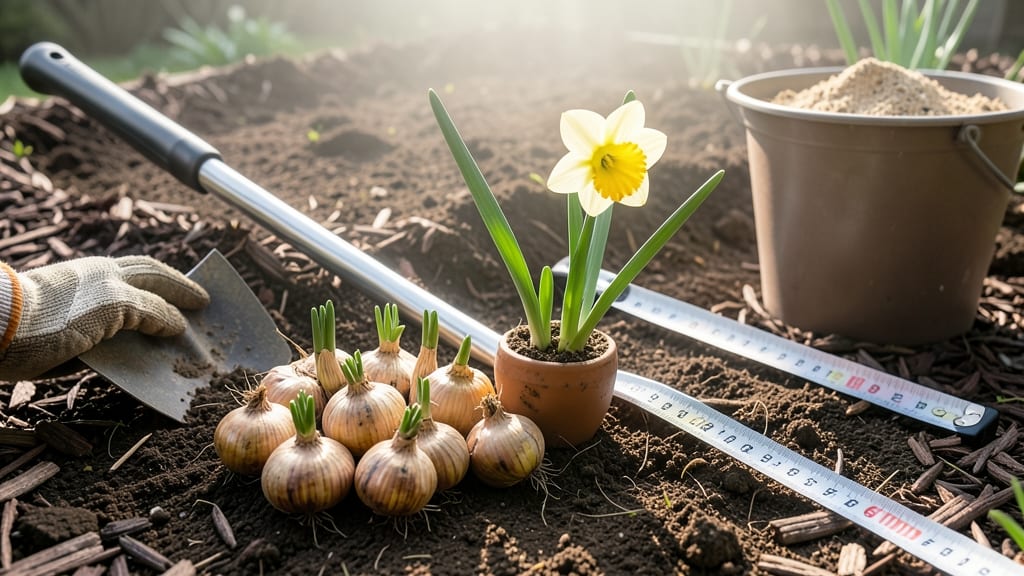
Planting daffodils in Ohio isn't just about tossing bulbs in the dirt—it's about timing them perfectly to beat the first frost and ensure those cheerful 🌼 blooms return year after year.
Ohio's 6a zone gives you a narrow window between September and November, but getting it wrong means waiting another spring for color. I’ve learned the hard way that rushing too early or dragging your feet until December can leave your bulbs vulnerable to rot or frost damage.
The best months for planting are September through early November, when soil temperatures drop but haven’t frozen solid. This gives the bulbs time to establish roots before winter sets in.
Whether you're a first-time gardener or a seasoned pro, understanding Ohio’s variable climate—like sudden cold snaps or unusually warm falls—is the key to success. Let me show you exactly how to read your soil and calendar to plant with confidence.
You might think spring planting works just as well, but daffodils need that chill period to bloom properly. Skipping fall means missing out on next year’s vibrant displays.
I’ll walk you through the steps to prep your soil, choose the right location, and even adjust for Ohio’s microclimates, whether you’re in urban Columbus or rural Appalachia. Ready to turn your yard into a springtime showstopper?
By the end, you’ll know not just when to plant, but how to do it for the best results—so your daffodils pop up brighter and earlier than your neighbors’. Let’s get those bulbs in the ground the right way.
Best months to plant daffodils in Ohio based on climate zones
Ohio’s USDA zones 5-6 create ideal conditions for daffodils, but the best planting window depends on your exact location and microclimate.
Most gardeners in Northern Ohio (Zone 5) should plant between September 15 and October 31, while Southern Ohio (Zone 6) offers a slightly extended window until November 15. The key is planting 4-6 weeks before the ground freezes, allowing roots to establish before winter.
Daffodils thrive when planted in cool soil temperatures between 40°F and 60°F. In Ohio, this typically means early fall planting (September-October) is optimal.
Soil that’s too warm (above 60°F) can cause bulbs to sprout prematurely, while planting too late risks bulbs rotting if the ground stays unfrozen. Soil temperature gauges are a game-changer for precision timing!
Ohio’s variable frost dates add complexity. While the average first frost arrives around October 15, it can vary by 2-3 weeks depending on the year. Urban areas like Columbus may experience frost 10 days earlier than rural areas in Southeastern Ohio.
Always check your local frost calendar and adjust your planting schedule accordingly.
Here’s a quick reference for Ohio’s planting zones and ideal timing:
For gardeners in Zone 5, early September planting offers the best chance for robust root growth before winter.
However, if your soil stays warm past October 1, wait until temperatures drop below 60°F to prevent premature sprouting. Late October is still acceptable in Zone 5 if the ground hasn’t frozen yet.
In Zone 6, you have more flexibility. Planting as late as mid-November can work if the ground remains workable. The key is ensuring bulbs have at least 6 weeks of cool soil before freezing. Use a soil thermometer to monitor—ideal temps hover around 50°F for optimal root development.
Soil preparation is just as critical as timing. Ohio’s clay-heavy soils in many regions can suffocate bulbs, so amend with compost or sand to improve drainage. Plant bulbs 6 inches deep and 6 inches apart in well-draining soil. A 2-inch layer of mulch after planting helps regulate soil temperature and retain moisture.
Pro tip: If you miss the fall window, you can plant daffodils in early spring (March-April) in Ohio, but blooms may be smaller or delayed.
Spring-planted bulbs lack the dormancy period needed for full vigor. For best results, stick to fall planting—it’s the secret to showstopping spring blooms!
Remember, Ohio’s unpredictable weather means flexibility is key. If an early frost threatens, cover newly planted beds with straw to protect bulbs. With the right timing and care, your daffodils will thrive through Ohio’s winters and reward you with cheerful spring color year after year.
Critical factors that determine Ohio daffodil planting timing
Ohio’s first frost dates and soil conditions create a tight window for planting daffodil bulbs. Unlike warmer climates, Ohio gardeners must balance bulb dormancy requirements with unpredictable fall weather.
Missing this window can delay—or even prevent—next spring’s vibrant blooms. Let’s break down the key factors that make all the difference in Ohio’s unique climate.
Timing isn’t just about the calendar—it’s about soil temperature and microclimates. Urban areas like Columbus often experience earlier frost than rural zones, while south-facing slopes may stay warmer longer.
Understanding these nuances helps you adjust planting dates to match your specific location, ensuring your daffodils thrive despite Ohio’s whimsical weather patterns.
- 1 First Frost Dates: Plant 4-6 weeks before Ohio’s average first frost (typically mid-October in most areas). Use USDA Zone 6a as your guide, but adjust for local microclimates.
- 2 Soil Temperature: Daffodil bulbs need 60°F soil to root. Test soil with a thermometer—plant when temps drop below 80°F but stay above 50°F at night.
- 3 Bulb Dormancy: Daffodils require 6-8 weeks of cold to bloom. Plant too early (e.g., August), and bulbs may sprout before winter—leading to frost damage. Late planting (November) risks bulbs not rooting before freeze.
- 4 Urban vs. Rural Adjustments: Cities like Cincinnati or Columbus may frost 2 weeks earlier than rural areas. Use local weather stations or gardening apps to track microclimate shifts in your neighborhood.
- 5 Soil Drainage: Ohio’s clay-heavy soils can suffocate bulbs. Amend with compost or sand to ensure well-draining conditions. Plant bulbs in raised beds if your yard holds water after rain.
If you’re planting in late fall (e.g., November), choose hardier varieties like ‘Ice Follies’ or ‘Tête-à-Tête’, which tolerate colder soils better. For early planting (e.g., September), prioritize well-draining spots to prevent rot before winter sets in.
My own garden in Zone 6a thrives when I plant by mid-October, but I always double-check soil temps to avoid surprises.
Don’t overlook mulching after planting—apply 2-3 inches of straw or leaves to insulate bulbs from freeze-thaw cycles. This extra layer helps maintain consistent soil temps and protects roots during Ohio’s unpredictable winters.
In urban gardens, where heat islands can delay frost, mulch earlier (by late September) to compensate.
Finally, remember that spring planting is a myth for daffodils—they won’t bloom if planted after January. The 6-8 week cold dormancy is non-negotiable. By mastering these critical factors, you’ll turn Ohio’s challenges into showstopping spring displays that neighbors will envy. 🌼