
Plants
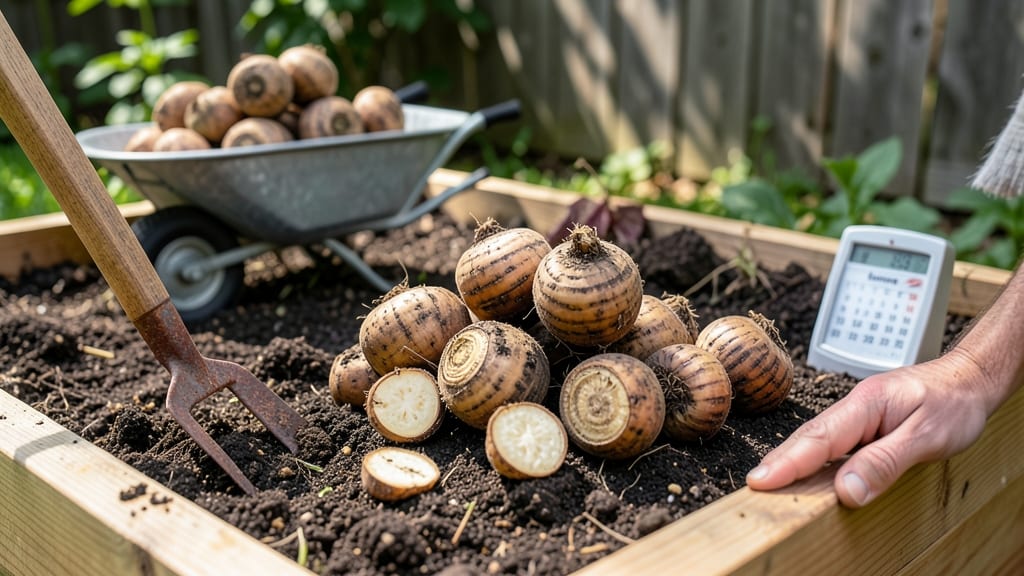
Planting dahlia bulbs in Wisconsin isn’t just about checking a calendar—it’s about waiting for the soil to signal "go." Too soon, and frost will turn your 🌸 dreams to dust; too late, and you’ll miss the peak blooms that make summer gardens shine.
Most gardeners here know the mid-April to mid-May window, but that’s just the starting point. The real magic happens when soil temperatures hit 50-60°F, a cue your dahlias have been waiting for.
In zones 4a-5b, that timing can shift by weeks depending on whether you’re in Milwaukee or the Northwoods.
Here’s the game-changer: a simple soil thermometer check beats guessing frost dates. I’ll show you exactly how to test it and adjust your planting schedule—plus, pro tips to extend your dahlias’ season in Wisconsin’s cooler pockets.
Whether you’re a first-year gardener or a veteran with a green thumb, this guide cuts through the guesswork. Let’s get those tubers in the ground at the perfect moment for bold, long-lasting blooms all summer long.
Wisconsin’s ideal soil temperature for planting dahlia bulbs
Dahlias thrive when planted in warm soil, but Wisconsin’s climate varies dramatically from Milwaukee’s coastal moderation to Eau Claire’s chilly northern springs. The magic number isn’t frost dates—it’s soil temperature.
For dahlias, aim for 50–60°F at 6 inches deep, where roots will establish before summer heat arrives. This window typically opens 2–4 weeks after last frost, but testing is key.
Southern Wisconsin (USDA zones 5a–5b) often hits 50°F soil by mid-April, while northern areas (zones 4a–4b) may wait until late May. Cold, wet springs delay warming, so don’t rush—dahlia tubers rot at 40°F.
Use a soil thermometer ($10 at garden centers) to check before planting.
Here’s how Wisconsin’s regions differ in soil warming timelines:
| Region | Avg. Last Frost | Ideal Planting Window | Soil Temp Trigger | Action |
|---|---|---|---|---|
| Southern WI (Madison, Milwaukee) | April 15 | Mid-April to early May | 50–55°F | Plant after 3 consecutive days above 50°F |
| Central WI (Wausau, Stevens Point) | May 1 | Late April to mid-May | 55–60°F | Wait for stable 55°F; use black plastic mulch to warm soil faster |
| Northern WI (Eau Claire, Superior) | May 15 | Late May to early June | 60°F+ | Start tubers indoors in March; transplant after soil hits 60°F |
To test soil temperature accurately, insert your thermometer 6 inches deep in morning sunlight (soil warms faster there). Shady spots can stay 10°F cooler, delaying growth.
If your garden is slow to warm, try black plastic mulch or straw bales 2 weeks before planting to raise temperatures by 5–10°F.
Northern Wisconsin gardeners often face shorter growing seasons, so early varieties like ‘Café au Lait’ (dwarf) or ‘Thomas Edison’ (tubular) are ideal. These tolerate cooler soils and bloom faster. For standard varieties, wait until soil is consistently 60°F—even if calendar says “spring.”
Pro tip: Pre-warm tubers by soaking them in lukewarm water for 24 hours before planting. This jumpstarts root growth in chilly soils. Pair this with a slow-release fertilizer (like 10-10-10) at planting to give dahlias a nutrient boost as roots establish.
Mistake alert: Planting when air temps are warm but soil is still cold causes root rot. Always prioritize soil temperature over calendar dates. Use a soil thermometer for 3 days to confirm stability before committing to your dahlia tubers.
For container gardening in cooler zones, use 5-gallon pots with heat mats ($20) to maintain 60°F soil. This extends the season by 3–4 weeks compared to in-ground planting. Just ensure pots have drainage holes—dahlias hate soggy roots.
Once soil hits 50°F, dahlias grow 1–2 inches per week. In Southern Wisconsin, this means blooms by July 4th; in the North, aim for mid-August. The key is patience—rushing leads to stunted plants or no flowers.
Step-by-Step planting timeline: Wisconsin’s frost-free deadlines
Wisconsin’s frost-free deadlines aren’t set in stone—they’re moving targets based on your county’s last frost date and soil temperature. While the average last frost for most of Wisconsin falls between April 15 and May 15, planting dahlias too soon can mean frost damage to tender tubers.
The key is pairing official frost dates with soil readiness.
For example, Milwaukee’s last frost typically arrives by April 20, but soil may not reach 50°F until May 1. Meanwhile, Superior’s last frost lingers until May 20, yet soil may warm to 60°F by June 1.
Below is your county-by-county planting timeline, complete with soil temp checks and adjustments for early/late springs.
- 1 March 1–15 (Northern WI): Start dahlia tubers indoors in pots with seed-starting mix. Use a grow light to maintain 60–65°F soil. This head-start is critical for USDA zones 4a–4b, where outdoor soil stays cold until June.
- 2 April 1–15 (Southern WI): Test soil temperature in morning sunlight. If it’s consistently 50°F+ for 3 days, plant dwarf varieties (like ‘Café au Lait’) outdoors. For standard varieties, wait until soil hits 55°F. Use black plastic mulch to warm soil by 5–10°F if needed.
- 3 April 15–30 (Central WI): Plant tubers 4–6 inches deep, spacing them 12–15 inches apart. Add a 2-inch layer of compost to the planting hole for nutrient-rich soil. Water deeply to settle soil and eliminate air pockets. Use row covers if night temps dip below 45°F.
- 4 May 1–15 (All Regions): Transplant indoor-started tubers (from Step 1) into pre-warmed soil (60°F+). Harden off seedlings by placing them outdoors for 2–3 hours daily the week before transplanting. Apply a balanced fertilizer (10-10-10) at planting to support root growth.
- 5 May 15–31 (Northern WI): If soil remains below 55°F, use cold frames or cloche covers to protect young plants. Monitor for slugs and snails, which thrive in damp, cool conditions. Apply diatomaceous earth as a natural barrier if needed.
- 6 June 1–15 (Late Starters): For gardeners in zones 4a–4b who missed earlier windows, plant tubers in containers with heat mats to maintain 60°F soil. Choose compact varieties like ‘Bishop’ or ‘Karma Choc’ for smaller spaces. Expect delayed blooms but still enjoy summer-long color.
Adjust your timeline if unseasonably cold weather hits. For example, if May 1 brings a 20°F drop, delay planting until soil warms back to 50°F. Conversely, if April shows 70°F days, don’t rush—soil may still be 40°F. Always verify with a soil thermometer.
Pro tip: Mark your dahlia planting date on a garden calendar and track bloom progression. In Southern Wisconsin, expect first blooms by July 4th; in the North, aim for mid-August.
The earlier you plant at the right soil temp, the longer your summer display will last.
For extended-season blooms, pair dahlias with heat-tolerant companions like lantana or salvia. These plants attract pollinators and prolong flowering by up to 4 weeks. Just remember: deadhead spent blooms regularly to encourage more flowers.