
Plants
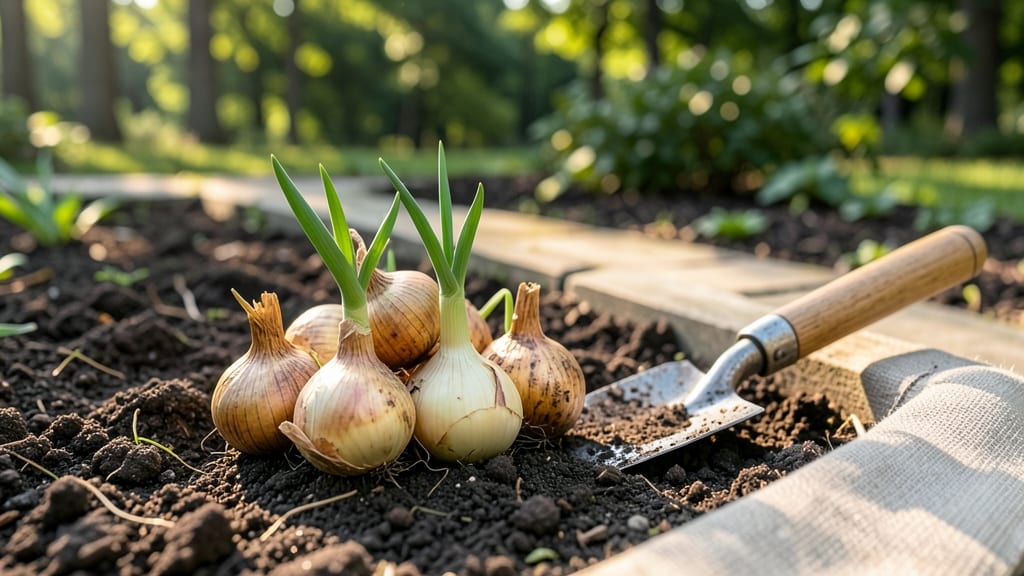
Planting gladiolus bulbs in Wisconsin at the wrong time can mean the difference between stunning summer blooms and wasted effort. With frost dates shifting unpredictably, timing is everything for your 🌸 gladiolus to thrive in zones 4a-5b.
Most gardeners in Wisconsin wait until mid-May to early June, but that’s not a one-size-fits-all rule. Soil temperature matters more than calendar dates—aim for 60°F+ before sticking those bulbs in the ground.
In colder northern counties like Green Bay, you might need to wait until late May, while southern areas like Milwaukee can plant as early as early May.
Here’s the game-changer: a county-specific planting timeline tailored to Wisconsin’s microclimates. I’ll walk you through the exact windows, soil prep tips, and how to adjust if Mother Nature throws a curveball. No more guessing—just reliable, frost-proof advice for perfect gladiolus timing.
Whether you’re a first-time gardener or a seasoned pro, these insights will help you avoid common mistakes and get those 🌸 gladiolus blooming right on schedule. Let’s get your garden ready for summer color the right way.
Wisconsin gladiolus planting dates by county: frost-free Zone map
Wisconsin’s USDA Zones 3-5 create unique challenges for planting gladiolus bulbs. Unlike warmer climates, timing isn’t just about calendar dates—it’s about soil temperature and frost risk.
Most gardeners in Milwaukee or Madison can plant by early May, but northern areas like Green Bay often wait until late May to avoid frost damage.
Gladiolus bulbs need 60°F+ soil to sprout reliably. Use a soil thermometer to check—this is more accurate than guessing by date. Rural areas with microclimates (like lake-effect zones) may have earlier frost-free windows than urban centers.
Below, I’ve mapped out the best planting windows by county, including adjustments for late frosts.
Here’s your county-specific guide to planting gladiolus bulbs in Wisconsin, ensuring your 🌸 blooms thrive without frost risk. The table includes last frost averages, ideal planting dates, and soil prep tips for each region.
| County | Avg Last Frost | Ideal Planting Window | Soil Temp Threshold | Notes |
|---|---|---|---|---|
| Milwaukee | Early May | Early to mid-May | 60°F+ | Urban heat islands may allow earlier planting. |
| Madison | Mid-May | Late May | 60°F+ | Rural areas may plant 1 week earlier. |
| Green Bay | Late May | Late May to early June | 60°F+ | Lake-effect zones may have earlier frost-free dates. |
| Rural (Zone 3) | Early June | Early to mid-June | 60°F+ | Use row covers for earlier planting. |
| Southern WI (Zone 5) | Early May | Late April to early May | 58°F+ | Warmer microclimates allow earlier planting. |
For Milwaukee gardeners, early May is ideal, but always monitor soil temperature—even if the air feels warm, cold nights can linger. In Madison, wait until late May to avoid late frosts, which can blacken emerging shoots.
Northern areas like Green Bay often need to delay until early June, especially in Zone 4.
Rural Zone 3 areas should plant no earlier than early June unless using row covers or raised beds to warm the soil faster. Southern Wisconsin’s Zone 5 can start as early as late April in sheltered microclimates, but frost risk remains high until mid-May.
Pro tip: Test your soil with a thermometer before planting. If it’s below 60°F, wait—gladiolus bulbs won’t sprout reliably in cooler soil. For extra protection, add a 2-inch layer of mulch after planting to insulate roots from late frosts.
Adjust your planting schedule if unpredictable weather hits. For example, if a late frost hits in early May, delay planting by 2-3 weeks. Conversely, if warm spells arrive early, you can plant 1-2 weeks sooner in sheltered spots. Flexibility is key in Wisconsin’s 🌡️ variable climate.
Once planted, gladiolus bulbs will reward you with 🌸 vibrant blooms from July through September. By following these county-specific guidelines, you’ll maximize your chances of success—no more wasted bulbs or missed blooms. Happy planting!
How to adjust gladiolus planting for Wisconsin’s unpredictable weather
Wisconsin’s unpredictable spring frosts can turn your gladiolus planting into a gamble. Even if the calendar says "May," soil temperatures might still be below 60°F, stalling growth. I’ve learned the hard way that waiting for consistent warmth—not just frost-free dates—is key to avoiding rotting bulbs or stunted blooms.
For Zone 4a-5b gardeners, the solution lies in flexibility. Whether you’re in Milwaukee’s urban heat islands or Green Bay’s cooler microclimates, adjusting your approach can mean the difference between 6-foot spikes and sad, wilted stems. Here’s how to stay ahead of Wisconsin’s weather whims.
- 📅 Wait for soil warmth: Use a soil thermometer—plant only when soil hits 60°F+ at 4" depth. In northern WI, this can mean late May even if frost is gone.
- 🛡️ Use row covers: Lay down frost blankets after planting if nights dip below 50°F. Remove during the day for sunlight.
- 🏞️ Try raised beds: Warms up 2-3 weeks faster than in-ground soil. Add black plastic mulch to speed up heating.
If you’re a late planter (like me last year), don’t panic. Gladiolus bulbs planted in early June can still bloom by late August if given full sun and consistent moisture. Just space them 6 inches apart and fertilize lightly with 10-10-10 to compensate for the shorter growing window.
For Zone 4a gardeners (like those in Wausau or Spoonerstraw mulch (3-4 inches thick) if a late frost is forecast. This adds 5-10°F of insulation, often enough to save tender shoots. I’ve had bulbs survive 28°F nights with this method.
Monitor your garden’s microclimate—south-facing beds warm up faster than north-facing ones. If your yard has shady spots, opt for dwarf varieties like ‘Picasso’ (3 feet tall) or ‘Attraction’ (4 feet), which tolerate partial shade better than standard types.
Finally, mark your 3-step late-planter checklist on your calendar:
- Test soil warmth,
- Add mulch, and
- Water deeply at dusk. This combo gives your gladiolus the best shot at summer color even when Wisconsin’s weather plays tricks.