
Plants
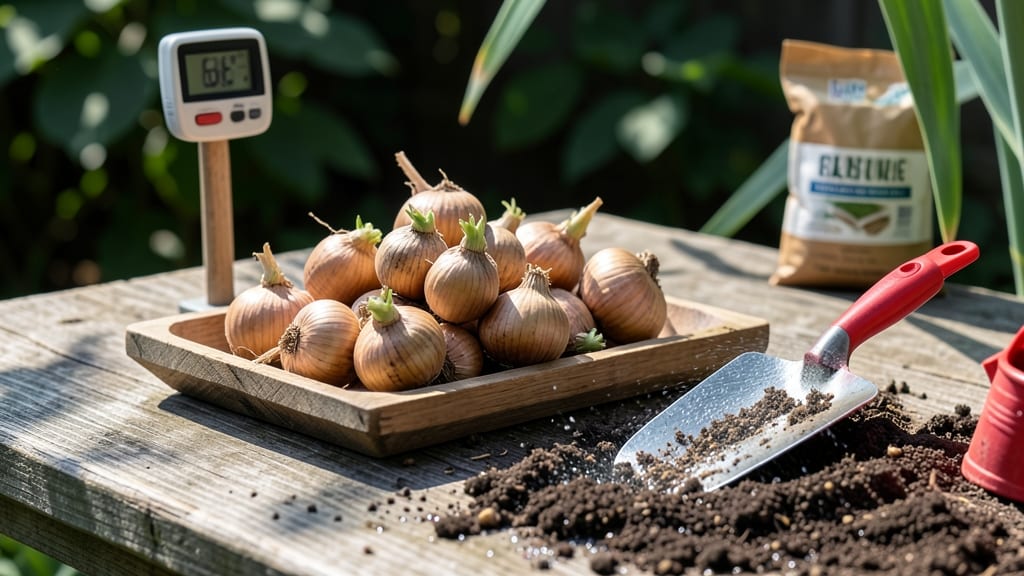
If you’ve ever dreamed of a garden bursting with vibrant gladiolus blooms 🌸 but struggled with when to plant the bulbs in Georgia, the state’s climate actually makes this easier than you think.
The key isn’t just avoiding frost—it’s syncing your planting with soil warmth and regional microclimates that can shift your blooming window by weeks.
Here in USDA zones 7b-8b, most gardeners plant gladiolus bulbs between mid-March and mid-April, but that’s just the starting point. The real secret lies in waiting until soil temperatures hit 60°F—a threshold that varies dramatically between Atlanta’s urban heat islands and the cooler mountain foothills.
Get this wrong, and you’ll either risk early frosts or miss the prime summer display entirely.
What I’ve learned from years of trial-and-error (and a few too many wilted blooms) is that Georgia’s humid subtropical swings demand flexibility.
Whether you’re in Savannah’s coastal warmth or the Piedmont’s rolling hills, the right timing can turn a gamble into a guaranteed spectacle—with flowers ready to cut just as summer’s heat peaks.
Let me walk you through the exact soil temp triggers, regional adjustments, and backup dates that’ll have your gladiolus thriving—no more guessing, just confident planting. Ready to transform your garden’s summer skyline?
Optimal Georgia planting dates based on soil temperature and frost risk
Georgia’s USDA zones 7b-8b create a unique window for planting gladiolus bulbs—but timing must align with soil temperature and frost risk to ensure success. Unlike northern states, Georgia’s mild winters mean bulbs can often be planted earlier, but late frosts (common until mid-April) demand careful planning.
The ideal 4-6 week planting window spans from late March to early May, with soil temperatures consistently above 60°F.
For spring blooms, aim to plant gladiolus bulbs 4-6 weeks before your last frost date. In most of Georgia, this translates to mid-March to mid-April.
However, regions like North Georgia (Zone 7b) may experience frosts until April 15, while coastal areas like Savannah (Zone 8b) can plant as early as late February with minimal risk. Always verify your local frost-free date using the USDA’s Plant Hardiness Zone Map.
Soil temperature is just as critical as air temperature. Gladiolus bulbs thrive when soil reaches 60°F or warmer. In Georgia, this typically occurs by mid-to-late March in southern regions but may delay until early April in northern areas.
Use a soil thermometer to confirm readiness—planting in cold soil slows root development and increases rot risk. If temperatures are below 60°F, consider using black plastic mulch to warm the soil faster.
In Atlanta (Zone 7b), where frosts can linger until mid-April, I recommend waiting until late March to plant gladiolus bulbs. This gives you a 4-week buffer before the average last frost date.
Use row covers if planting earlier to protect tender shoots. For Savannah (Zone 8b), the window opens even earlier—late February to mid-March—thanks to warmer coastal temperatures and minimal frost risk.
Georgia’s humid subtropical climate also means you can plant a second crop in late summer for fall blooms. Aim for late August to early September, giving bulbs 8-10 weeks to establish roots before the first frost (typically mid-November).
This strategy extends your blooming season and maximizes your garden’s potential. Just ensure soil temperatures remain above 60°F for at least 4 weeks post-planting.
One common mistake Georgia gardeners make is planting gladiolus bulbs too early in heavy clay soils, which stay cold and wet longer. If your soil drains poorly, amend it with compost or sand to improve warmth and aeration.
Another tip: plant bulbs in raised beds if your garden sits in a low-lying area, as these warm up faster and drain better. This is especially useful in North Georgia’s valleys, where cold air pools.
To track your local frost dates, check the National Weather Service or use apps like Old Farmer’s Almanac. In Georgia, microclimates vary dramatically—even within 20 miles. For example, Augusta (Zone 8a) can plant 2 weeks earlier than Athens (Zone 7b).
Always observe your garden’s specific patterns over 3-5 years to refine your timing. Planting gladiolus bulbs at the right time ensures vibrant blooms and healthy foliage all season long.
Pro tip: Mark your planting dates on a garden calendar and note any unusual frost events. Georgia’s climate is shifting, and late frosts are becoming less predictable.
How to adjust planting for Georgia’s microclimates and late-frost zones
Georgia’s diverse geography creates distinct planting challenges—from the Blue Ridge Mountains' late frosts to coastal areas’ milder winters. Gladiolus bulbs thrive in USDA Zones 7-8, but elevation shifts frost dates by 2-4 weeks.
In the mountains, wait until May 1 for safety, while coastal gardeners can plant as early as March 15.
Your microclimate matters. North Georgia’s higher elevations (e.g., Dahlonega) often experience late spring frosts after April 30. Coastal areas like Savannah rarely see frost after January 31. Use these local frost maps to adjust your schedule.
| Region | Avg. Last Frost | Safe Planting Window | Adjustment Tip |
|---|---|---|---|
| North Georgia (Blue Ridge) | May 1 | April 15–May 15 | Use row covers if planting early |
| Central Georgia (Atlanta) | March 15 | March 1–April 1 | Plant 60°F+ soil for faster growth |
| Coastal Georgia (Savannah) | January 31 | February 15–March 15 | Watch for humidity delays in germination |
For Zone 7 gardeners in higher elevations, extend your planting window with soil warming tricks. Lay black plastic mulch 2 weeks before planting to raise soil temps by 10°F+. Alternatively, use straw bales as temporary barriers to protect young shoots from late frosts after April 15.
If frost threatens after planting, cover gladiolus with frost blankets or old bedsheets secured with bricks. Remove covers by 10 AM to prevent heat stress. Coastal gardeners can skip this step entirely—your milder winters mean fewer frost risks.
Plan a backup planting for Zone 7 areas. If your first attempt fails due to frost, have extra bulbs ready for a late April replanting. Coastal gardeners can push planting to early May for fall blooms without frost worries.
Remember: Soil temperature matters more than air temperature. Use a soil thermometer—gladiolus roots need 60°F+ soil to thrive. In clay-heavy soils, mix in compost to improve drainage and warm up faster.