
Plants
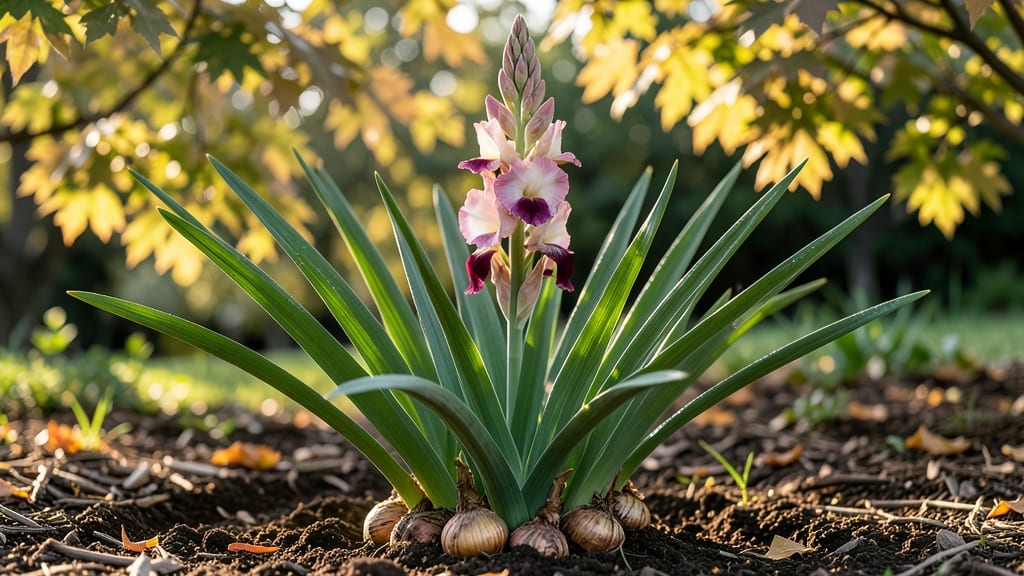
Planting gladiolus bulbs at the right time in Massachusetts can mean the difference between stunning summer blooms and wasted effort. The key isn't just waiting for spring—it's understanding when your soil warms enough to give those 🌸 gladiolus roots the fast start they need to thrive in zone 6a.
Most gardeners in Massachusetts wait until late April or mid-May, but that's not always ideal. Soil temperature matters more than calendar dates—aim for when it consistently hits 50-60°F, which can vary by 2-3 weeks depending on whether you're in Boston or inland areas.
I've learned the hard way that planting too early risks frost damage, while waiting too long delays those showstopping blooms you're dreaming of. The solution? A simple soil temperature trick that takes the guesswork out of timing—so you can focus on enjoying your garden instead.
In this guide, I'll walk you through exactly how to time your planting for maximum success, including how to test soil temperature without fancy tools and avoid common mistakes that sabotage gladiolus growth in New England's unpredictable climate.
Best planting months for gladiolus in Massachusetts based on soil temperature
Gladiolus bulbs thrive when planted in soil temperatures between 50-60°F, giving them time to establish roots before summer heat arrives. In Massachusetts, this means timing your planting to align with late April to mid-May for most regions, but coastal areas may need adjustments due to delayed warming.
The key is avoiding frost damage while ensuring roots aren't stressed by summer drought.
Massachusetts spans USDA Zone 5-6, meaning frost dates vary dramatically. Inland areas like Worcester often see last frost dates around April 15, while coastal regions like Boston may experience late frosts until May 1.
Soil temperature lags behind air temperature, so don't rely solely on calendar dates—check the ground instead.
Here's a science-backed comparison of ideal planting windows across Massachusetts' microclimates, including soil temperature targets and frost risk analysis:
The 50-60°F soil temperature range is critical because gladiolus bulbs need warm enough soil to activate root growth, but not so hot that they dry out. Use a soil thermometer (or the finger test—press your finger into the soil; it should feel warm but not hot).
Coastal areas like Cape Cod often require 2-3 weeks later than inland regions due to ocean breezes delaying warming.
For Boston gardeners, aim for planting after May 15 when the average soil temperature consistently reaches 55°F. The city's urban heat island effect can create microclimates where soil warms faster than surrounding areas, so monitor your specific location.
Inland areas like Worcester typically see ideal conditions by late April, allowing for earlier blooms.
One common mistake is planting too early based on air temperature alone. Gladiolus bulbs planted in 40-45°F soil may rot before roots establish. To test soil readiness without a thermometer, plant radishes nearby—they sprout quickly when soil reaches 50°F, signaling it's safe for gladiolus.
Another trick is watching dandelions; when their leaves fully unfurl, soil temps are typically in the 55-60°F range.
After planting, maintain consistent moisture for the first 3 weeks to encourage root development. Mulch with 2-3 inches of straw to stabilize soil temperature and reduce moisture loss.
In coastal areas, where summer fog can stress plants, consider using black plastic mulch to absorb heat and protect against fungal diseases common in humid conditions.
Remember that gladiolus bulbs planted in June or later will produce smaller blooms due to shortened growing season. If you must plant late, choose dwarf varieties like 'Picasso' or 'Black Pearl' that mature faster.
These varieties can still produce 6-12 inch stems with vibrant blooms when given proper care and afternoon shade during Massachusetts' hottest months.
For maximum bloom time, stagger your planting by 2-3 weeks—plant some bulbs at the ideal window, then others 2 weeks later. This creates a continuous display from July through September, extending your garden's seasonal interest.
Just be sure all planting occurs before July 1** to allow sufficient time for root establishment before summer dormancy.
🌸
How to test soil temperature for gladiolus success (without a thermometer)
Testing soil temperature without a thermometer is easier than you think, and it can save your gladiolus from frost damage or delayed blooming. Gladiolus bulbs thrive when soil reaches 50-60°F, but checking this manually requires just a few simple tricks that Massachusetts gardeners swear by.
One of my favorite methods is using the weather forecast combined with historical data. The USDA Plant Hardiness Zone 6a in Massachusetts typically sees soil warm up to 50°F around April 20-25, but coastal areas like Cape Cod may lag by 1-2 weeks.
Cross-reference this with your local frost-free date (usually April 15) to time your planting perfectly.
Numbered Highlights:
Another foolproof trick is the paper towel test. Bury a damp paper towel 4 inches deep for 24 hours. If it feels warm to the touch when removed, your soil is ready.
This method works especially well for coastal Massachusetts, where soil warms more slowly due to ocean breezes.
For inland areas like Worcester or Springfield, pay attention to sun exposure. South-facing beds warm up 3-5°F faster than north-facing ones. If you're unsure, plant a test row of gladiolus bulbs a week early—if they survive, you’ve nailed the timing!
Remember, gladiolus bulbs need 2-3 weeks to establish roots before blooming. By mastering these soil temperature tests, you’ll ensure your 🌸 gladiolus get the perfect start, whether you're in Boston or the Berkshires.