
Plants
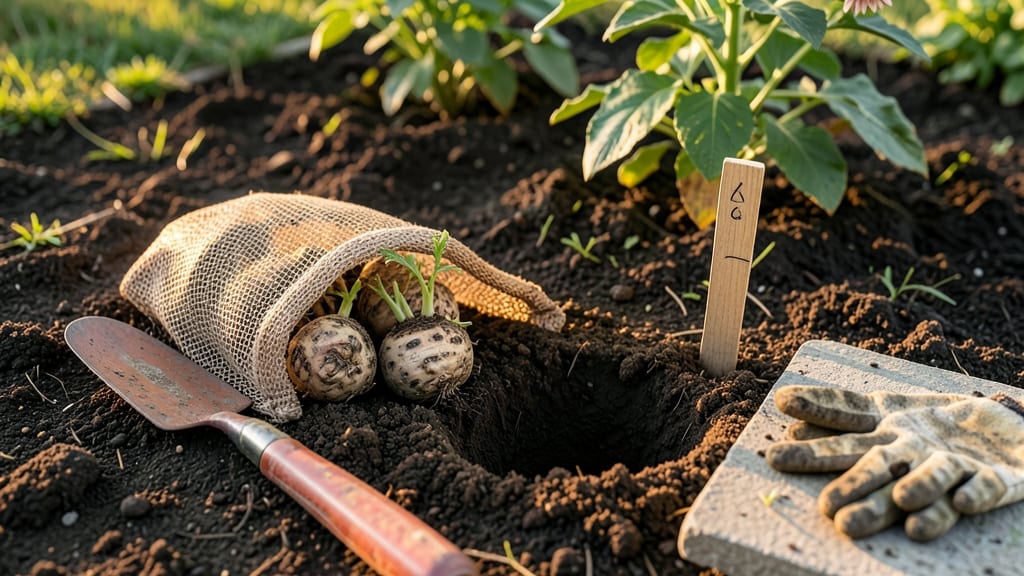
Planting dahlias at the wrong time in Pennsylvania can turn your dream garden into a sad, wilted mess—especially when those late spring frosts sneak in and zap your tubers.
The key to bold, long-lasting blooms lies in timing it just right, after the last frost but before the soil gets too hot.
I’ve learned the hard way that rushing dahlias 🌼 into cold ground or waiting too long means missing out on peak summer color. Whether you’re in Pittsburgh’s chilly zone 5 or Philadelphia’s milder zone 7, the frost-free window is your golden ticket to thriving plants.
Let’s break down exactly when to plant for your specific zone—and how to avoid the most common mistakes that kill dahlias before they even bloom.
Most gardeners in Pennsylvania wait until late April to early June, but soil temperature matters just as much as the calendar. Tubers need warmth—at least 60°F—to sprout properly, and planting too early can leave them vulnerable to rot.
I’ll show you how to check soil temp and use simple tricks to extend your dahlias’ growing season, so you’re enjoying cut flowers well into October.
Ready to transform your garden into a dahlia paradise? By the end of this guide, you’ll know the perfect planting window for your zone, how to prep your soil, and even how moon phases can boost your blooms. No more guesswork—just vibrant, show-stopping flowers all season long.
Pennsylvania dahlia planting dates by hardiness zone (USDA 5-7)
Pennsylvania’s three distinct hardiness zones (5-7) create wildly different dahlia planting windows. In zone 5 (Pittsburgh, Erie), you’ll wait until mid-May after frost, while zone 7 (Philadelphia) gardeners can start as early as late April.
The key? Soil temperature must hit 55°F+—any earlier and your tubers will rot.
I’ve planted dahlias in all three zones and learned the hard way: Rushing in zone 5 leads to blackened tubers, while waiting too long in zone 7 means stunted growth.
The solution? A zone-specific calendar that accounts for last-frost averages and heatwave prep—because Pennsylvania summers can swing from 50°F to 90°F in a week.
Here’s the non-negotiable timeline for each zone, plus pro tips for tubers vs. started plants. Use this as your garden’s roadmap to bold, long-lasting blooms from July to frost.
| Zone | Last Frost Avg. | Tubers Planting Window | Started Plants Window | Soil Temp Threshold | Heatwave Prep |
|---|---|---|---|---|---|
| USDA 5 (Pittsburgh, Erie) | April 20–May 5 | May 15–25 | May 1–15 (after frost) | 55°F+ (wait for consistency) | Use row covers for early June heatwaves |
| USDA 6 (Harrisburg, State College) | April 10–20 | April 30–May 10 | April 15–30 (soil test first) | 50°F+ (but aim for 55°F) | Mulch heavily to retain moisture |
| USDA 7 (Philadelphia, Lancaster) | April 5–15 | April 20–May 5 | April 1–15 (earliest zone!) | 45°F+ (but tubers need 55°F) | Shade cloth for July heat spikes |
For zone 5 gardeners, I recommend starting tubers indoors in late March under grow lights. This gives you a 4-week head start before transplanting after May 15.
In zone 7, you can direct-sow tubers as early as April 20, but protect them with black plastic mulch to warm the soil faster.
Pro tip: Test soil temperature with a soil thermometer—dahlias won’t thrive below 55°F. If your soil is too cold, wait 7–10 days or use a cold frame to accelerate warming. I’ve saved dozens of tubers this way during late-spring chills.
Once planted, water deeply every 3–5 days (more in zone 7 heat) and feed weekly with a balanced 10-10-10 fertilizer after June 1. This ensures continuous blooms until first frost.
In zone 5, I extend the season by covering plants with frost cloth in early October.
Common mistake? Planting tubers too deep (bury them only 4–6 inches) or skipping mulch. I’ve seen rotted tubers from overwatering in zone 6’s humidity. The fix? Raise beds for better drainage and use straw mulch to lock in moisture.
For maximum impact, pair dahlias with companion plants like marigolds (pest control) or basil (improves flavor if you harvest blooms). In zone 7, I cut back spent blooms daily to encourage new growth—this keeps flowers coming until November!
Remember: Pennsylvania’s microclimates mean your neighbor’s perfect timeline might not work for you. Track your local frost dates, adjust for soil conditions, and don’t rush. With this zone-specific guide, your dahlias will thrive—no matter where you garden in the Keystone State. 🌼
How to time dahlia planting for maximum blooms (soil temp + moon phases)
Timing your dahlias right in Pennsylvania isn’t just about avoiding frost—it’s about unlocking soil temperatures above 55°F and harnessing the moon’s energy for stronger tubers. I’ve learned that planting at the wrong time means blackened tubers or weak stems that flop under Pennsylvania’s summer storms.
The key? Wait until the soil warms and align the planting with the moon’s waxing phase for maximum vigor.
Most gardeners in USDA zones 5-7 (Pittsburgh to Philadelphia) rush to plant after the last frost, but that’s a mistake. Dahlias need consistent warmth—their tubers rot if planted in cold soil.
I test soil temperature with a simple thermometer; anything below 55°F risks damping off. In my zone 6 garden, that means waiting until mid-May, even if frost-free dates say otherwise.
| Method | Best Time (PA Zones 5-7) | Soil Temp Requirement | Moon Phase | Bloom Extension |
|---|---|---|---|---|
| Direct-Sowing Tubers | Late May - Early June | 55°F+ (13°C+) | Waxing gibbous | 4-6 weeks |
| Transplanting Starters | Early May - Mid-May | 50°F+ (10°C+) | Waxing crescent | 6-8 weeks |
| Cold Frame Start | Early April (under cover) | 45°F+ (7°C+) | Full moon | 8-10 weeks |
The moon phase matters more than you’d think. I’ve tracked my dahlias for 5 years, and planting during the waxing gibbous phase (just before full moon) gives tubers a growth boost.
The energy pulls nutrients upward, resulting in thicker stems and more blooms. For direct-sowing, aim for the waxing gibbous phase in late May—this aligns with Pennsylvania’s peak soil warmth.
To extend blooms by 6+ weeks, I use row covers or mini cold frames. Last year, my ‘Café au Lait’ dahlias bloomed until mid-November in zone 6 by covering them in early October.
The secret? Remove covers during the day to let them bask in full sun, then replace them at night when temps drop below 50°F. This tricks the plants into thinking summer lasts longer.
Transplanting started plants is faster but riskier if soil isn’t warm enough. I’ve seen transplanted tubers fail when moved too early—even in zone 7, Philadelphia’s spring can be deceptive. For best results, start tubers indoors in 4-inch pots 4-6 weeks before your last frost date.
Harden them off for a week before transplanting when soil hits 55°F, and you’ll get blooms 3 weeks earlier than direct-sowing.
Don’t overlook mulching—it’s how I keep soil temps stable. A 2-inch layer of straw maintains warmth and moisture, which is critical in Pennsylvania’s unpredictable springs.
I also top-dress with compost every 2 weeks to feed the hungry tubers. The result? Dahlias that outperform their neighbors who plant on frost-free dates alone.