
Plants
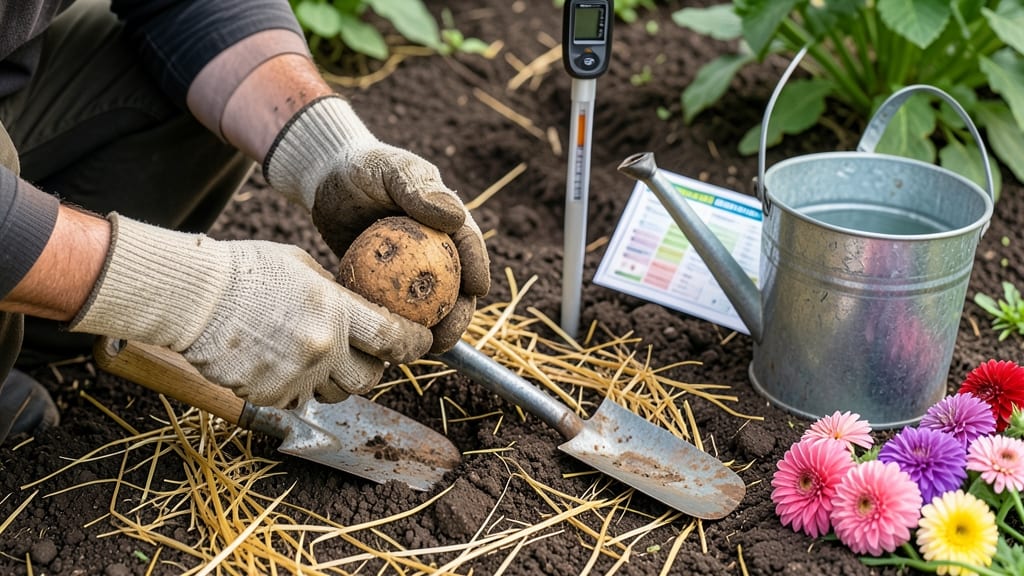
Planting dahlias in San Diego might seem simple—until you realize timing can make or break those showstopping blooms you’re dreaming of. Unlike colder climates, our frost-free zone 10a gives us a 365-day advantage, but rushing or waiting too long still leads to floppy stems and fewer flowers.
I’ve learned the hard way that March and April are the sweet spots for transplanting tubers, when soil warms to 60°F and coastal breezes soften. But here’s the catch: inland areas heat up faster, while coastal gardens stay cooler longer.
Get the timing wrong, and you’ll either bake your tubers or watch them struggle in chilly soil.
What if I told you there’s a 3-phase strategy to maximize your dahlias’ potential? We’re talking soil prep that locks in moisture, a 7-day hardening trick before transplanting, and adjusting for those pesky La Niña years when spring drags.
Skip these steps, and you’ll end up with half the blooms—or none at all.
Let’s dive into the exact timeline, soil secrets, and microclimate hacks that’ll turn your San Diego garden into a 🌸-packed paradise from June to October. Ready to grow dahlias like a pro?
San Diego’s 3-Phase dahlia planting timeline: frost-free zones & heat tolerance
San Diego’s microclimates create unique challenges for dahlias—coastal areas stay cooler longer, while inland zones hit 100°F+ by summer. Unlike northern gardens, frost isn’t a threat, but timing still matters to avoid heat stress or leggy growth.
My 3-phase approach aligns with SoCal’s USDA Zone 10a and accounts for La Niña’s unpredictable rains.
Phase 1 (Pre-Sprouting) starts indoors in February for coastal gardens or March inland. This is when you chit tubers—exposing the "eyes" to light to jumpstart growth. I’ve found that La Niña years (like 2023) may delay planting by 1-2 weeks due to cooler, wetter springs.
Phase 2 (Transplanting) happens when soil hits 60°F, typically late March to April, but inland areas can wait until mid-April.
| Phase | Coastal San Diego (Zone 10a) | Inland San Diego (Zone 10a) | La Niña Adjustment |
|---|---|---|---|
| Phase 1: Pre-Sprouting | Feb 15 - Mar 15 | Mar 1 - Mar 15 | Delay 1-2 weeks |
| Phase 2: Transplanting | Late Mar - Early Apr | Mid-Apr | Wait for soil >60°F |
| Phase 3: Late-Season Care | Aug - Oct (mulch + water) | Jul - Sep (shade cloth) | Add 2" mulch early |
Phase 3 (late-season care) begins in August when temperatures climb. Coastal dahlias benefit from mulching to retain moisture, while inland varieties need shade cloth during heatwaves.
I’ve seen heat-stressed dahlias in Escondido wilt by 11 AM—a clear sign to provide afternoon shade. La Niña years may extend this phase into October due to cooler temps.
For coastal gardens, prioritize dwarf varieties like ‘Café au Lait’ (2-3 ft tall) to avoid wind damage. Inland areas thrive with tall varieties like ‘Galaxy’ (6-8 ft), but stake them early to prevent stem snapping in Santa Ana winds.
My go-to tip: Plant coastal dahlias 2 weeks earlier than inland ones to sync with their slower soil warming.
Soil temperature is your best indicator—use a soil thermometer to confirm 60°F before transplanting. I test mine at 10 AM for accuracy.
If your soil is below 55°F, delay planting or use black plastic mulch to warm it faster. Inland gardens often hit 60°F by mid-March, while coastal areas may need until late March.
Adjust for La Niña’s cooler springs by monitoring nighttime temps. If lows dip below 50°F, cover tubers with row fabric until soil warms. I’ve had rot issues in 2023’s wet springs—always plant in well-draining soil with 10% sand added.
For container dahlias, use pots with drainage holes and elevate them to prevent waterlogging.
Deadheading spent blooms in Phase 3 encourages continuous flowering until first frost (which never happens in Zone 10a). Feed with 5-10-10 fertilizer every 4-6 weeks to maintain bold blooms. My record: A ‘Black Narcissus’ dahlia in my Carlsbad garden bloomed until November with proper care.
Protect tubers in winter by cutting back foliage and mulching heavily (6+ inches). Inland areas may need extra mulch to insulate against cold snaps (rare but possible). I’ve dug up tubers in December for indoor overwintering—a last-resort step if temps drop below 40°F for 3+ days.
Key takeaway: Coastal dahlias get a 2-week head start, while inland varieties need heat acclimation. Use this timeline as a flexible guide—your garden’s microclimate dictates the exact dates. With these phases mastered, you’ll enjoy dahlias blooming from June to November—a SoCal garden’s dream! 🌸
How to prep dahlias for San Diego’s soil & climate: pro tips for stronger stems
San Diego’s fast-draining soil and intense coastal sun demand extra prep work to give dahlias a strong start. Without proper soil amendments and tuber hardening, your plants will struggle with weak stems and heat stress.
I’ve learned the hard way—skipping these steps means fewer blooms and floppy stems by summer.
Start by testing your soil’s pH (6.0-7.0 ideal) and drainage. San Diego’s native clay mixes with sand, creating a poor water-retention combo. Amend with composted manure or coco coir to improve moisture retention while keeping roots aerated.
A 2-inch layer of mulch (straw or wood chips) locks in humidity and shields tubers from temperature swings.
Now for the critical tuber prep: Dahlias need a 7-day hardening process before transplanting. Place tubers in bright, indirect light (like a north-facing window) for 2-3 weeks to encourage early sprouting. This mimics San Diego’s gradual spring warming and prevents shock when moved outdoors.
🌱 Step-by-Step Prep for San Diego Dahlias
- Step 1: Soil Amendment
- Mix 50% native soil with 30% compost and 20% perlite
- Add 1 tbsp bone meal per hole for phosphorus boost
- Step 2: Tuber Chitting
- Place tubers in trays with damp sphagnum moss
- Keep in 65°F room with bright indirect light
- Sprouts should appear in 2-3 weeks
- Step 3: Heat Acclimation
- Move trays outdoors for 2 hours/day (start 1 week before transplanting)
- Gradually increase to full sun exposure over 7 days
- Step 4: Transplanting
- Plant when soil reaches 60°F+ (usually late March)
- Dig holes 4-6 inches deep, 12-18 inches apart
- Water deeply after planting to settle soil
San Diego’s coastal fog and inland heatwaves create microclimates that confuse dahlias. After transplanting, stake tall varieties (4+ ft) with bamboo stakes or tomato cages to prevent wind damage. Prune lower leaves to reduce humidity buildup—this is key for coastal gardens where fungal diseases lurk.
Finally, fertilize lightly 2 weeks after transplanting with a balanced 5-10-10 mix. Over-fertilizing in SoCal’s heat leads to leaf burn. I switch to fish emulsion in summer to support blooming without stressing roots. Mulch again in June to retain moisture during heatwave spikes.
With these steps, your dahlias will thrive in San Diego’s extremes—bold stems, vibrant blooms, and zero shock. The 7-day hardening is the game-changer; skip it, and you’ll see wilting by July. Trust the process, and your garden will be the talk of the neighborhood! 🌸