
Plants
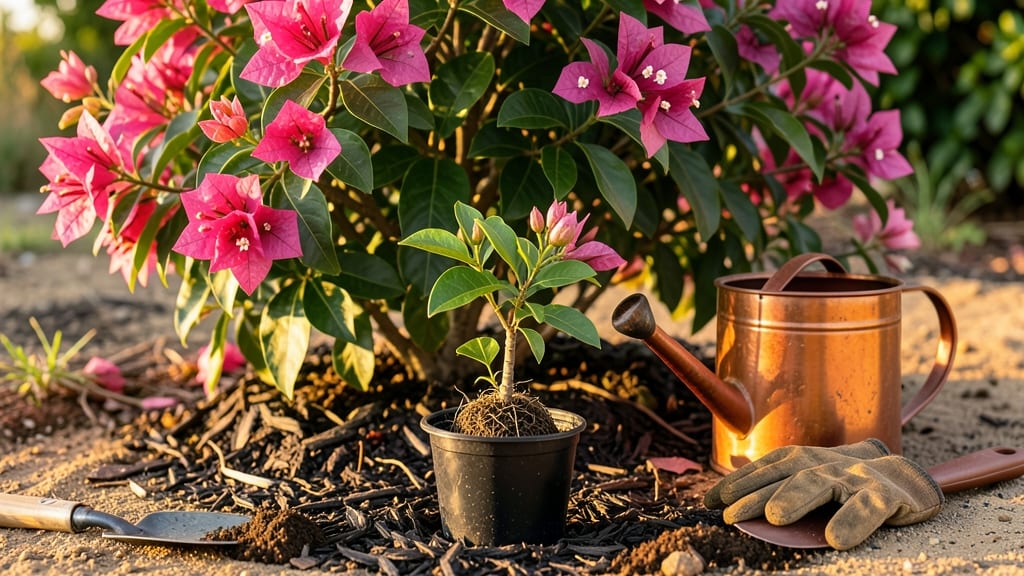
Planting bougainvillea 🌸 in Texas isn’t just about throwing seeds in the dirt—it’s about catching the perfect window between frost risk and scorching heat.
Miss the timing, and your vibrant blooms might never make it past the first cold snap, leaving you with bare branches instead of a year-round splash of color.
I’ve seen firsthand how just two weeks can mean the difference between a thriving bougainvillea and one struggling to survive Texas’s unpredictable swings.
Whether you’re in the cooler 8a zones of North Texas or the balmy 10b regions near the Gulf Coast, the right planting window isn’t just a suggestion—it’s your plant’s survival strategy.
In this guide, I’ll break down the exact months to plant for zero frost risk, how to prep your soil for Texas’s heat, and why fall planting often outperforms spring for long-term success. No more guessing—just proven deadlines to get your bougainvillea off to the best start.
Ready to turn your yard into a nonstop floral display? Let’s dive into the heat zone deadlines that’ll keep your bougainvillea blooming like a pro’s garden all year.
Texas heat Zone deadlines for planting bougainvillea
Texas’s diverse heat zones (8a through 11) create wildly different planting windows for bougainvillea. In Zone 8a (North Texas), the last frost can linger until March 15, while Zone 11 (Rio Grande Valley) enjoys frost-free growing year-round.
These differences mean your planting deadline could vary by six weeks—and that’s the difference between a thriving vine and a frost-killed sapling.
Bougainvillea thrives in warm soil temperatures above 60°F. In cooler zones, wait until soil reaches this threshold before planting, usually late March to early April. In warmer zones, you can plant as early as February, but avoid the hottest summer months when roots struggle to establish.
My rule? Plant when daytime temps consistently stay above 65°F—that’s your sweet spot for zero frost risk.
Here’s the key: Fall planting often outperforms spring in Texas. Why? Bougainvillea’s roots establish before winter, and the plant enters dormancy stronger. In Zones 8a-9b, aim for September to November deadlines.
In Zones 10a-11, you can plant through December with minimal frost risk. The secret? Mulch heavily after planting to protect roots from temperature swings.
🌱 Pro Tip: Use a soil thermometer to confirm 60°F+ soil temps before planting. If you’re in doubt, err on the side of waiting—bougainvillea’s drought tolerance means it’ll bounce back faster from delayed planting than from a late frost.
| Texas Heat Zone | Last Frost Date | Optimal Planting Window | Soil Temp Threshold | Key Consideration |
|---|---|---|---|---|
| Zone 8a (North Texas) | March 15 | April 15–May 15 (Spring) or Sept 1–Nov 1 (Fall) | 60°F+ | Highest frost risk; mulch heavily |
| Zone 9a (Central Texas) | February 28 | March 15–April 30 (Spring) or Aug 15–Oct 15 (Fall) | 60°F+ | Moderate frost risk; prune lightly post-winter |
| Zone 9b (Hill Country) | February 15 | February 28–April 15 (Spring) or Sept 1–Nov 1 (Fall) | 58°F+ | Microclimates vary; check local frost data |
| Zone 10a (East Texas) | January 31 | February 15–April 1 (Spring) or Sept 15–Dec 1 (Fall) | 55°F+ | Humidity increases fungal risk; improve drainage |
| Zone 10b (Coastal) | None (rare light frost) | Year-round (avoid summer heatwaves) | 65°F+ | Salt tolerance needed near coast; use amended soil |
| Zone 11 (Rio Grande Valley) | None | January–April or Sept–Dec (avoid peak summer) | 68°F+ | Extreme heat stress; shade cloth helps |
Best planting methods for Texas climate: containers vs. ground
Deciding between containers and in-ground planting for your bougainvillea 🌸 in Texas isn’t just about space—it’s about survival. Texas’s extreme heat and occasional freeze warnings demand smart choices. Containers give you mobility to move plants indoors during cold snaps, while in-ground planting taps into natural soil warmth.
I’ve found that container-grown bougainvillea often outlasts in-ground plants in North Texas’s 8a zones because you can shield them from unexpected frost.
But there’s a catch: drainage is non-negotiable in both methods. Bougainvillea roots rot quickly in soggy soil, whether in pots or the ground. If your yard has clay-heavy soil (common in Central Texas), amending it with gravel or sand is a must.
I’ve seen bougainvillea thrive in containers with self-watering trays and drainage holes—a game-changer for urban gardeners with limited space.
Container Planting vs. In-Ground for Bougainvillea in Texas
✅ Container Planting
- Pros: Move indoors during frost
- Pros: Control soil quality easily
- Pros: Ideal for small spaces
- Pros: Faster drainage adjustment
❌ Cons:
- Cons: Needs frequent watering
- Cons: Limited root space
- Cons: Higher cost for large pots
✅ In-Ground Planting
- Pros: More stable for large plants
- Pros: Lower maintenance long-term
- Pros: Better for mature bougainvillea
- Pros: Natural insulation from heat
❌ Cons:
- Cons: Vulnerable to frost
- Cons: Soil drainage issues
- Cons: Harder to relocate
Note: For Texas’s 10b zones, in-ground planting often wins due to milder winters.
For sun exposure, both methods require full sun (6+ hours daily). In containers, place them on patios or balconies facing south for maximum light. In-ground bougainvillea needs a south or west-facing spot—any less, and you’ll see fewer blooms.
I once had a bougainvillea in partial shade that produced only 20% of the usual flowers. The difference? Light is everything for those vibrant bracts.
Winter protection is where containers really shine. In North Texas, temperatures can drop to 20°F overnight. I’ve wrapped containerized bougainvillea in burlap and moved them into garages or sheds with grow lights. For in-ground plants, a 4-inch layer of mulch (like straw or pine needles) insulates roots.
But if frost is forecasted, even in-ground plants need frost cloth—I’ve lost too many to assume they’ll survive.
If you’re in South Texas (zones 9b-10b), in-ground planting is often the best choice. The soil stays warmer longer, and frost is rare. But if you’re in Central or North Texas, containers give you the flexibility to adapt.
I’ve seen bougainvillea in 15-gallon pots thrive for years with proper care—just don’t skimp on drainage or winter prep.
For urban gardeners with limited space, containers are a lifesaver. You can place them on rooftops, decks, or fire escapes—just ensure they’re elevated to prevent waterlogging. In-ground planting, meanwhile, is ideal for landscaping projects where you want a permanent, dramatic backdrop.
Either way, test your soil’s pH (aim for 6.0-7.0) and amend as needed—Texas soil can be unforgiving.
Ready to pick your method? Containers win for mobility and control, while in-ground planting offers permanence and natural stability. Whichever you choose, timing and drainage are your bougainvillea’s best friends in Texas’s brutal climate. 🌿