
Plants
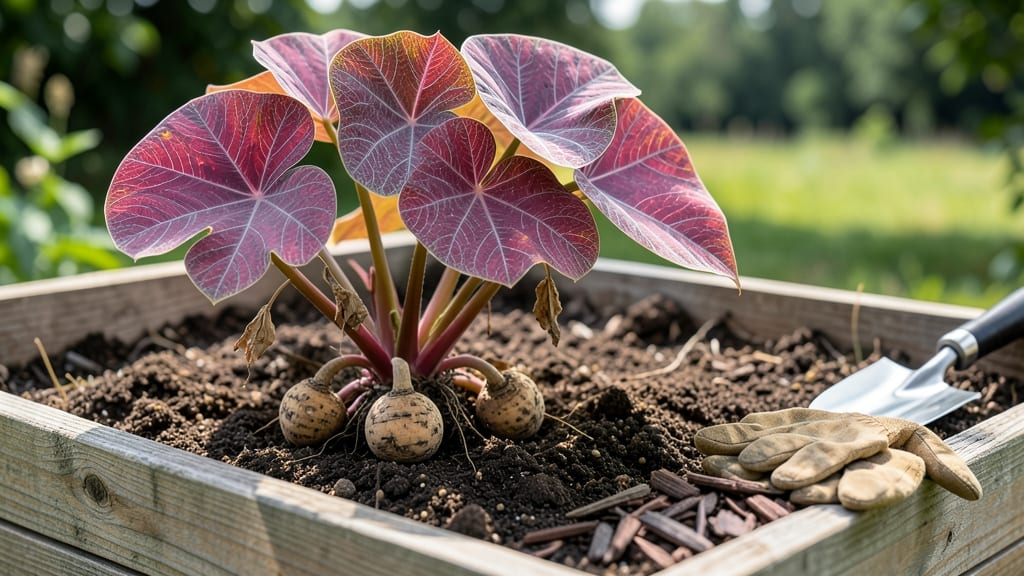
Planting caladium bulbs in North Texas at the wrong time can turn your summer garden dreams into a sad, wilted mess—especially when those 100-degree afternoons hit. These stunning 🌿 caladiums need precise timing to thrive, and getting it right means vibrant foliage all season long, not sad, scorched leaves.
Most gardeners in USDA Zone 8a wait until late March or April, but there’s a critical window between the last frost and when the soil hits 60°F.
Plant too early, and your bulbs will rot in cold soil; too late, and they’ll struggle to establish roots before the heat sets in. I’ll show you exactly when to plant for foolproof success.
Beyond the calendar, North Texas’ unpredictable weather throws extra challenges your way—like sudden heatwaves or lingering cool snaps. The key is preparing your soil, choosing the right spot, and knowing how to protect those tender tubers. Let’s break down the exact steps to give your caladiums the best possible start.
Whether you’re a first-time gardener or a seasoned pro, these tips will help you avoid common mistakes and keep your 🌿 caladiums looking their best from spring through summer. Ready to transform your garden into a lush, tropical oasis? Let’s get started.
North Texas heat zone deadlines: exact weeks to plant caladium bulbs for summer success
Caladium bulbs thrive in North Texas' USDA Zones 8a-8b, but their tropical nature demands precise timing. Planting too early risks frost damage, while waiting too late exposes them to 100°F+ heat before root establishment.
The ideal window spans just 4-6 weeks—from late March through mid-April—when soil temperatures consistently reach 60°F and frost danger has passed.
Your last frost date in North Texas typically falls around March 15, but don't rush to plant immediately. Caladium bulbs need warm soil to sprout, and cold temperatures will cause them to rot.
The key is balancing soil warmth with heat tolerance limits—planting when daytime highs reach 75°F ensures healthy emergence without stress.
Here's the science-backed timeline you need to follow for zero-frost survival and vibrant summer foliage:
For Dallas-Fort Worth gardeners, aim to plant between March 25-April 10 when soil temperatures stabilize at 62°F. In East Texas, you can start slightly earlier (March 15-25) due to slightly warmer microclimates.
Always check your local Almanac for the most precise last frost dates, as they can vary by 5-7 days annually.
Your caladium bulbs will emerge in 3-4 weeks if planted correctly, but they won't tolerate temperatures below 50°F for extended periods. After emergence, they'll need partial shade to prevent leaf scorch during North Texas' intense afternoon sun.
The first 6 weeks after planting are critical—this is when roots establish and determine your plant's long-term health.
Pro tip: Use a soil thermometer to verify temperatures before planting. If your soil stays below 60°F for more than 3 days, delay planting by 1-2 weeks. The 10-day forecast is your best friend here—watch for heatwaves that could stress newly planted bulbs before they establish.
Once planted, maintain consistent moisture without waterlogging. Caladiums in North Texas need 1-2 inches of water weekly, but adjust for container vs. ground planting. Potted caladiums dry out faster and may need daily watering during 100°F+ heatwaves.
Mulching with 2-3 inches of organic mulch helps regulate soil temperature and retain moisture.
Remember: No blooms = no drama. While caladiums are grown primarily for their stunning foliage, proper timing ensures they'll produce their best colorful leaves all summer long.
With these heat zone deadlines and soil temperature guidelines, you'll be well on your way to creating a tropical oasis that thrives in North Texas' challenging climate. 🌿
5 Critical factors that change your caladium planting timeline in North Texas
North Texas isn't one-size-fits-all when it comes to planting caladium bulbs. While the general window is late March through mid-April, five key factors can shift your timeline by 2-4 weeks—sometimes earlier, sometimes later.
Understanding these will help you avoid the common mistakes that turn vibrant foliage into sad, wilted plants before they even begin.
First, your microclimate plays a huge role. Dallas-Fort Worth's urban heat island effect can make soil 5-10°F warmer than rural East Texas areas. This means DFW gardeners might need to wait until April 1-15 for safe planting, while East Texas gardeners can start as early as March 15-25.
Even within your city, a north-facing yard stays cooler than a south-facing one during spring.
- 🌡️ Soil Temperature: Plant only when soil reaches 60°F+ (use a soil thermometer); colder soil causes bulb rot
- 🌿 Container vs Ground: Containers warm 2-3°F faster than ground soil; plant containers 1-2 weeks earlier
- 💧 Irrigation Method: Drip irrigation maintains consistent moisture better than overhead watering, allowing 1-week earlier planting
- 🏡 Microclimate: Urban areas (DFW) need later planting (April 1-15) vs East Texas (March 15-25)
- 🌱 Soil Type: Sandy soil warms faster (earlier planting); clay soil stays cooler (delay planting)
Your soil type is another game-changer. Sandy soils in North Texas warm up 2-3 weeks faster than clay-heavy soils, which hold cold longer. If you have sandy soil, you might safely plant 2 weeks earlier than the general guideline.
Conversely, clay soils may require waiting until mid-to-late April to avoid cold stress.
The way you water your garden also affects timing. If you're using drip irrigation or soaker hoses, you can plant 1 week earlier because these methods maintain consistent moisture without the temperature fluctuations of overhead sprinklers.
Overhead watering can cool soil too much, delaying planting by 5-7 days in unpredictable North Texas springs.
Finally, whether you're planting in containers or directly in the ground makes a difference. Container soil warms 2-3°F faster than in-ground soil, so you can plant potted caladiums 1-2 weeks earlier.
However, containers also dry out faster, so be prepared to water daily during 100°F+ heatwaves. For in-ground planting, focus on areas with partial shade to protect tender leaves from afternoon sun.
Pro tip: Combine these factors to create your perfect planting schedule. For example, a DFW gardener with sandy soil using drip irrigation could safely plant March 20-25, while someone in East Texas with clay soil might wait until April 1-5.
The key is monitoring soil temperature and adjusting based on your specific conditions. With these adjustments, your caladiums will thrive all summer long. 🌿