
Plants
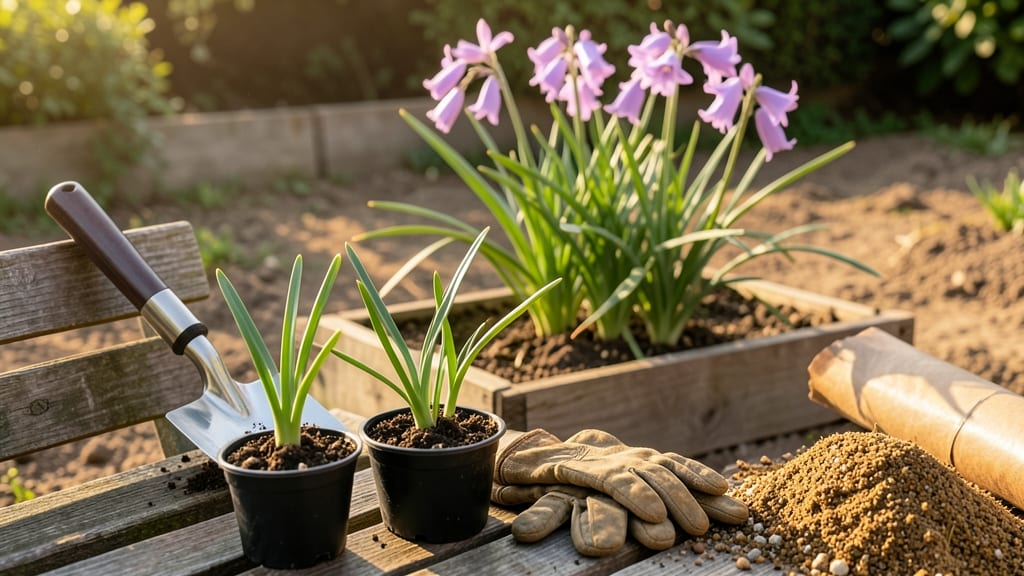
Planting freesias at the wrong time in the UK can mean the difference between a stunning 🌸 display and a frost-killed garden disappointment. These delicate blooms need precise timing—too early, and winter’s bite will ruin your efforts; too late, and you’ll miss their vibrant summer show.
I’ve grown freesias in 8a-9a zones for years, and the key is knowing when soil temperatures rise enough to protect those tender bulbs. Whether you’re aiming for spring or summer blooms, the right monthly window makes all the difference. Let’s break down exactly when to plant for bold, frost-free success.
Most UK gardeners plant freesias in September-November for spring blooms or March-April for summer, but regional microclimates can shift these dates. Coastal areas stay milder longer, while inland spots may need earlier planting. We’ll cover how to adjust for your specific zone.
You’ll also discover whether to grow from bulbs or seeds, how deep to plant, and the soil temperature tricks that keep your freesias thriving. Ready to transform your garden with these fragrant stars? Let’s get started.
UK freesia planting calendar: month-by-month frost-free timeline
Freesias thrive in the UK when planted at the right time—too early risks frost damage, while planting too late delays their stunning spring or summer blooms.
The key is aligning your planting with soil temperatures and regional frost dates. In coastal areas, milder microclimates allow earlier planting, while inland regions need extra caution.
For spring blooms, aim to plant freesia bulbs between September and November, ensuring they establish roots before winter. For summer blooms, March to April is ideal.
Always check soil temperature—wait until it reaches 10°C (50°F) for safe planting. Coastal gardens can start 2-4 weeks earlier than inland areas.
Here’s your region-specific planting timeline to avoid frost and maximize blooms:
| Region | Best Planting Window | Soil Temp Threshold | Microclimate Adjustment | Bloom Time |
|---|---|---|---|---|
| South (e.g., London, Sussex) | Late August–October (spring) / March (summer) | 10°C+ (50°F+) | Coastal: 2 weeks earlier | April–June / July–August |
| Midlands (e.g., Birmingham, Nottingham) | September–November (spring) / March–April (summer) | 10°C+ (50°F+) | Inland: 1 week later than coastal | April–June / July–August |
| North (e.g., Manchester, Edinburgh) | October–November (spring) / April (summer) | 10°C+ (50°F+) | Cooler: 3 weeks later than South | May–June / July–August |
In coastal regions, like Cornwall or Kent, milder winters mean you can plant freesias 2-4 weeks earlier than inland areas. Use cloche covers or mulch if planting in October or November to protect bulbs from unexpected frost.
Inland areas, such as the Midlands or North, should delay planting until soil temperatures are consistently above 10°C (50°F).
For summer blooms, plant bulbs in March or April when the ground warms up. This ensures they flower from July to August, perfect for late-summer displays. If you’re growing freesias in containers, you can start them indoors in February for an earlier bloom.
Always plant freesia bulbs 2 inches deep in well-draining soil with partial shade to full sun. After planting, water thoroughly and apply a light mulch to retain moisture. In cooler regions, like Scotland, consider using black polythene mulch to raise soil temperature.
Monitor local frost forecasts in late autumn and spring. If frost is predicted, cover planted bulbs with hessian sacks or straw until temperatures rise. This extra protection ensures your freesias survive winter and burst into bloom come spring or summer.
For staggered blooms, plant a third of your bulbs every 2-3 weeks between September and November. This technique extends your flowering season from early spring to late summer. Pair freesias with tulips or daffodils for a colorful, layered display.
Remember, freesias are perennial in mild climates but often treated as annuals in colder UK regions. With the right timing and care, you’ll enjoy their fragrant, trumpet-shaped blooms year after year. Happy planting! 🌸
How to extend freesia blooming season with strategic planting
Want freesias blooming in your garden from spring through summer? The secret lies in staggered planting—a technique I’ve perfected to create a non-stop parade of 🌸 colors.
By planting bulbs in 3-week intervals, you can extend your display by up to 8 weeks, ensuring your garden never loses its fragrance. This method works especially well in the UK’s variable climate, where timing is everything.
Most gardeners focus on a single planting window, but that limits your blooms to just 4-6 weeks. With strategic planting, you’ll enjoy vibrant freesias from April through August, even in cooler UK regions.
The key is understanding how to pre-chill bulbs and choose the right companions to protect them from late frosts.
First, let’s tackle the bulb chilling process, which mimics winter conditions and jumpstarts growth. I’ll show you exactly how to do this in your fridge or garden shed, plus how to adjust for different UK regions.
Then we’ll explore container growing hacks for urban gardeners and the best companion plants to keep pests away while extending your blooming season.
🌱 Numbered Highlights: 5 Strategic Steps to Extend Blooms
- 1. Stagger Planting: Plant bulbs in 3-week batches (Sept, Oct, Nov for spring blooms; March, April for summer).
- 2. Pre-Chill Bulbs: Store bulbs in 40-50°F (4-10°C) for 8-12 weeks before planting to sync blooming.
- 3. Container Hacks: Use well-draining pots with gravel layers to prevent rot and move containers indoors if frost threatens.
- 4. Companion Plants: Pair freesias with lavender or marigolds to deter pests and extend bloom time by 2-3 weeks.
- 5. Deadhead Regularly: Remove spent blooms to encourage new flower production and prolong the season by up to 4 weeks.
Let’s start with staggered planting, my favorite technique for continuous blooms. In the UK, I plant my first batch of freesia bulbs in early September for spring blooms, followed by two more batches in late September and early October.
This ensures flowers open progressively, creating a 6-week display instead of a single burst. For summer blooms, repeat the process in March and April.
For bulb chilling, place your freesia bulbs in a paper bag with sphagnum moss and store them in your fridge’s crisp drawer (around 40°F/4°C) for 8-12 weeks before planting.
This mimics winter conditions and ensures all bulbs bloom at the same time. Pro tip: Label each batch with the planting date to track your staggered schedule.
Urban gardeners can use container growing to control the environment. Choose pots with drainage holes and fill the bottom with gravel or perlite to prevent waterlogging. Place containers in a south-facing spot for maximum sunlight, and move them indoors if frost threatens.
This method also lets you rotate displays by swapping out pots as different batches bloom.
Finally, companion planting can extend your season by deterring pests and improving soil health. I pair freesias with lavender (which repels aphids) or marigolds (which confuse pests with their scent). These companions also attract pollinators, ensuring stronger blooms. Plus, their different heights create a stunning visual contrast in your garden.
With these techniques, you’ll enjoy freesias blooming continuously from April through August, even in the UK’s cooler climate. The secret is planning ahead—chill your bulbs, stagger your plantings, and protect them with companions.
Your garden will thank you with a fragrant, colorful showstopper all season long! 🌷