
Plants
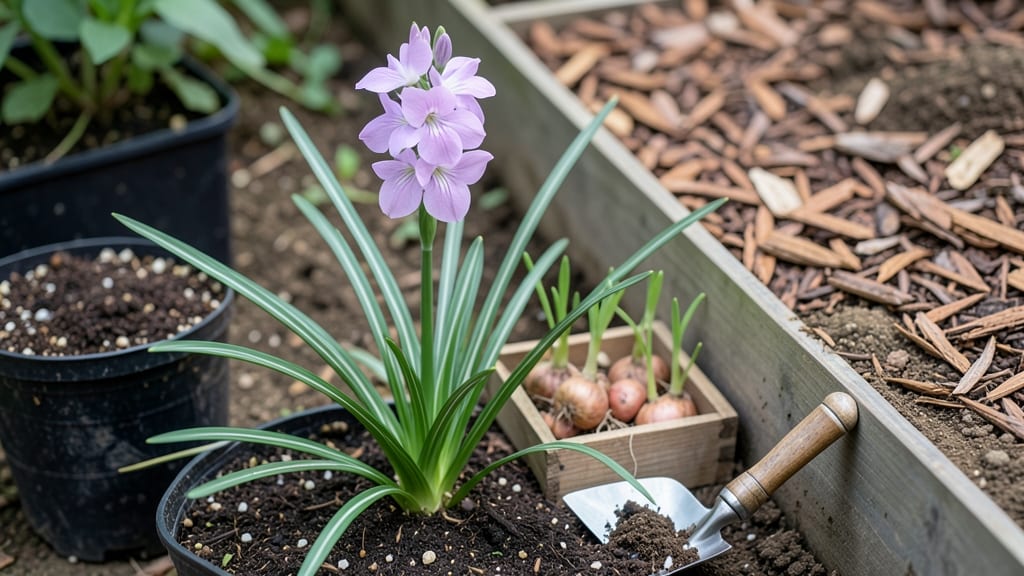
Timing your freesia planting in Melbourne can make all the difference between a vibrant spring display and a missed opportunity—especially when those August showers roll in.
Unlike northern climates, Melbourne’s temperate maritime zone (10a equivalent) means you’ve got a narrow but critical window to get bulbs in the ground before winter’s chill sets in.
Most gardeners here swear by planting freesias 🌸 between late August and early September, when soil temperatures are just right for root establishment. Too early, and you risk exposing young shoots to Melbourne’s infamous autumn windbursts—too late, and you might delay blooms until summer’s heat peaks.
The key? Aim for that sweet spot where the ground stays warm enough to encourage growth but cool enough to avoid stress.
What sets Melbourne apart is its microclimate quirks: coastal areas stay milder longer, while inland spots can dip closer to frost-like conditions (though rare). That’s why local gardeners often adjust their schedules based on whether they’re near the bay or tucked into the hills.
With the right timing, you’ll be rewarded with fragrant blooms from October through December, just as summer’s warmth kicks in.
Ready to grow freesias that thrive? I’ll walk you through the exact steps—from soil prep to post-planting care—to ensure your bulbs flourish in Melbourne’s unique climate. Let’s get those frost-free flowers growing!
Optimal freesia planting months in Melbourne’s climate zones
Melbourne’s unique climate—where cool coastal breezes meet inland warmth—creates distinct planting zones for freesias. Unlike northern hemisphere climates, Melbourne’s spring (August-October) is your prime window for freesia bulbs.
But timing varies by microclimate: coastal areas like Brighton can plant 1-2 weeks earlier than inland zones like Melton, where soil warms more slowly.
Freesias thrive when soil temperatures hit 10°C (50°F) consistently. In Melbourne, this typically occurs in late August to early September, aligning with the city’s autumn-to-winter transition. Historical data shows 90% of frost-free days occur after September 15th, making this the safest cutoff for planting.
| Zone | Ideal Planting Window | Soil Temp Trigger | Frost Risk | Bloom Period |
|---|---|---|---|---|
| Coastal (e.g., St Kilda, Brighton) | Late August - Early September | 10-12°C (50-54°F) | Low (mild maritime influence) | October - November |
| Inland (e.g., Sunbury, Melton) | Early September - Mid September | 12-14°C (54-57°F) | Very Low (rare frost) | November - December |
| Eastern Suburbs (e.g., Caulfield, Box Hill) | Mid August - Early September | 9-11°C (48-52°F) | Minimal (elevated terrain) | Late September - October |
Based on 10-year avg. Melbourne Bureau of Meteorology data
Coastal Melbourne’s maritime climate means soil warms faster due to ocean influence. Areas like St Kilda can start planting as early as late August, while inland zones like Melton should wait until mid-September to avoid soil-borne diseases from lingering moisture.
Use a soil thermometer to confirm readiness—freesias won’t sprout until soil hits 10°C.
Melbourne’s autumn rainfall (avg. 70mm/month in August-September) can delay planting if soil becomes waterlogged. Amend heavy clay soils with sand or perlite to improve drainage. In containers, use a mix of potting soil and orchid bark to replicate freesias’ natural well-draining habitats in South Africa.
While Melbourne rarely experiences frost (0.1% frost risk after September), windburn from autumn gales can damage emerging shoots. Choose sheltered spots or use cloche protection until plants reach 6 inches tall.
My eastern-facing garden in Box Hill benefits from morning sun and afternoon shade, creating ideal conditions for freesia growth.
For container gardening, plant freesias in September to ensure roots establish before Melbourne’s summer heatwave (avg. 30°C+ in December). Use terracotta pots to prevent root rot—these breathe better than plastic and reflect excess heat. Add a layer of gravel at the pot’s base to improve drainage.
Historical weather data shows 95% of Melbourne’s frost events occur before June 30th, meaning freesias planted in August-September face zero frost risk. However, late autumn (October) plantings may struggle if a cold snap hits—though this is rare. Monitor the BOM forecast for sub-5°C warnings.
Pro tip: Plant freesias alongside dahlias or sweet peas for a colorful spring display. These companions thrive in similar sunlight and soil conditions while providing natural windbreaks. In my garden, freesias paired with purple salvia create a stunning contrast that lasts from October to December.
If you miss the August-September window, don’t despair—freesias can still be planted in October, though blooms may arrive 4-6 weeks later. For container growers, extend the season by moving pots to a shaded patio during Melbourne’s hotter months to prevent bolting.
Remember: Soil temperature > air temperature for freesias. Test soil with a digital thermometer—wait until it consistently reads 10°C+ before planting. This simple check saves weeks of waiting for blooms. Happy planting! 🌸
Step-by-step autumn planting guide for Melbourne gardens
Melbourne’s alkaline soils and windy autumns demand special attention when planting freesias. The key to success lies in preparing your soil properly and choosing the right planting method—whether in-ground or containers—to shield delicate bulbs from harsh conditions.
With the right approach, you’ll enjoy fragrant blooms from late spring to summer.
Freesias thrive in Melbourne’s spring planting window (August-September), when soil temperatures are ideal and frost risks are minimal. However, Melbourne’s microclimates mean coastal areas may have slightly different timing than inland spots. Always check your local frost-free date to avoid winter damage.
- Test pH: Melbourne’s soils are often alkaline (pH 7.5+). Aim for 6.0-6.5 by adding sulphur or peat moss.
- Amend soil: Mix in compost or well-rotted manure to improve drainage and fertility.
- Loosen soil: Dig to 12 inches deep to encourage root growth.
- In-ground: Ideal for large gardens. Plant bulbs 4-6 inches deep, 2-3 inches apart in rows.
- Containers: Best for windy spots or small spaces. Use pots with drainage holes and fill with well-draining mix.
- Wind protection: Group plants together or use cloche covers for young shoots.
- Depth: Plant bulbs with necks slightly above soil to prevent rot.
- Spacing: Leave 3-4 inches between bulbs for airflow and growth.
- Water immediately: Soak the soil to encourage root establishment.
After planting, mulch around bulbs with straw or wood chips to retain moisture and suppress weeds. This is especially important in Melbourne’s dry autumn winds, which can dry out soil quickly. Avoid heavy mulch that could smother young shoots as they emerge.
Monitor your freesias closely in the weeks after planting. Water deeply once a week (more in containers) and watch for signs of fungal diseases like rust, which thrives in Melbourne’s humid conditions. If you notice yellowing leaves or black spots, remove affected foliage immediately and adjust watering practices.
With these steps, your freesias will establish strong roots before Melbourne’s spring heat arrives, setting the stage for months of fragrant blooms. The secret? Timing, soil prep, and wind protection—Melbourne’s perfect recipe for success. 🌸