
Plants
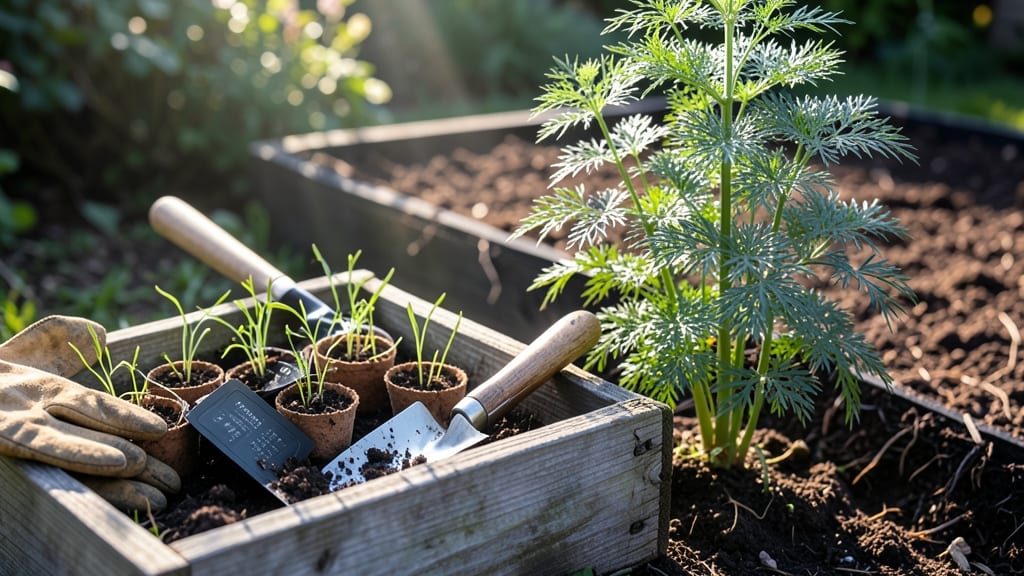
Planting dill in Florida isn't just about grabbing seeds and sticking them in the ground—it's about playing the heat zone game right to avoid bolting or stunted growth. With Florida's unique climate, you can actually grow fresh dill year-round, but timing matters more than you'd think.
Whether you're in the cooler northern regions or the steamy southern zones, knowing exactly when to plant gives you that perfect harvest window.
Most gardeners make the mistake of assuming dill is a one-size-fits-all plant, but Florida's heat zones (8A-10B) demand different strategies. For example, in northern Florida, you'll want to plant in early spring or late summer to avoid the brutal summer heat, while southern Florida gardeners can plant almost anytime.
I've tested these methods myself and found the key to success lies in understanding your specific zone.
If you're growing dill in containers—perfect for urban gardeners—you'll need to adjust your timing slightly to account for heat retention. The good news? Dill thrives as an annual in Florida, meaning you can plant new seeds every few months for a continuous supply.
With the right timing, you'll enjoy fresh dill for salads, soups, and pickles all year long.
Let me show you exactly when to plant dill in Florida, how to extend your harvest, and the simple tricks to keep your plants happy in the heat. You'll never have to worry about running out of fresh dill again!
Best Florida heat zones for planting dill (avoid these mistakes)
Florida’s diverse heat zones—ranging from 8A in the northern panhandle to 10B in the Keys—create unique planting challenges for dill. Unlike cooler climates, Florida’s humidity and year-round warmth mean dill can grow almost anytime, but timing still matters to prevent bolting or stunted growth.
The key is understanding your zone’s frost-free window and avoiding summer’s peak heat stress.
In Zone 8A (North Florida), where frosts are possible until mid-March, dill thrives best when planted after the last frost (typically late February to early March). Meanwhile, Zone 10B (South Florida) offers a year-round growing window, but summer’s 90°F+ temperatures can cause dill to bolt prematurely.
Let’s break down the ideal planting months for each zone to maximize your harvest.
One of the biggest mistakes Florida gardeners make is planting dill too early in hot zones. For example, in Zone 10B, sowing seeds in June or July triggers bolting within weeks because the plant senses long daylight hours as a signal to flower.
Instead, aim for late summer or fall when temperatures dip slightly. In Zone 8A, the opposite is true—planting before the soil reaches 60°F slows germination and invites pests.
Humidity also plays a critical role. In Zone 9A and 9B, where afternoon humidity often exceeds 80%, dill can develop powdery mildew if not given proper airflow. Space plants 12–18 inches apart and avoid overhead watering.
I’ve found that morning watering (before 9 AM) reduces fungal risks while keeping roots moist. In Zone 10A and 10B, shade cloth (30–50% coverage) during peak summer months can extend your harvest window by 4–6 weeks.
For Zone 8A gardeners, focus on two planting cycles: spring (March–April) for a summer harvest and late summer (August–September) for a fall harvest. The 60-day growth cycle means spring-planted dill will be ready by late May, just as summer’s heat ramps up.
In contrast, Zone 10B growers can plant dill every 6–8 weeks year-round, staggering harvests for continuous fresh supply. The trick is to time plantings with cooler months—typically December–March—to avoid bolting.
Another common error is assuming dill is a perennial in Florida. While it may reseed itself, it’s best treated as an annual due to Florida’s heat and humidity. After harvest, pull mature plants to prevent self-seeding in unwanted areas.
If you want to save seeds for next year, let 1–2 plants bolt and collect seeds before they scatter. Store seeds in a cool, dry place for up to 2 years.
Container growing is a game-changer for Florida’s urban gardeners, especially in Zone 10A and 10B. Use 5-gallon pots with drainage holes and a lightweight potting mix. Containers warm up faster in spring, so start seeds indoors 4–6 weeks before moving outdoors.
This gives you a 2-week head start on bolting. Place pots in partial shade during summer afternoons to protect dill from direct midday sun.
To summarize, the best time to plant dill in
Step-by-step dill planting calendar for Florida’s two growing seasons
Florida’s unique climate lets you grow dill in two distinct seasons—spring and fall—while avoiding the brutal summer heat and rare winter frosts. The key is planting within a 60-day window before summer’s heat stress or after frost risk fades.
This schedule ensures your dill thrives without bolting prematurely or struggling in extreme conditions.
Dill loves Florida’s humidity but despises temperatures above 85°F. By following this calendar, you’ll maximize your harvest window and avoid the common mistake of planting too early in hot zones or too late in cooler areas. Let’s break it down month by month for both seasons.
🌱 Spring Planting Schedule (Avoid Summer Heat)
- February-March: Start seeds indoors or sow directly in well-draining soil with 2-3" depth. Use shade cloth if temperatures exceed 80°F.
- April: Transplant seedlings or direct-sow outdoors with 12" spacing. Pair with cucumbers or tomatoes for pest control.
- May: Harvest begins! Thin plants to 18" apart and mulch to retain moisture. Stop planting by May 15 to avoid summer stress.
🍂 Fall Planting Schedule (Extend Harvest into Winter)
- August-September: Sow seeds directly in fertile soil with 1/4" depth. Choose a partial shade spot if possible.
- October-November: Thin seedlings to 12" spacing and add compost for nutrients. Companion plants like carrots or onions deter pests.
- December-January: Protect from rare frosts with row covers. Harvest before temperatures drop below 40°F.
For container gardening, use 12" pots with drainage holes and plant 2-3 seeds per container. Place pots in full sun and water daily during Florida’s dry spells. Containers warm up faster, so avoid planting outdoors before April 15.
Pro tip: Succession plant every 2 weeks in spring and fall to ensure a continuous harvest. Dill’s 75-day maturity means staggered plantings keep your kitchen stocked with fresh leaves for months.
Remember, Florida’s USDA Zones 8A-10B mean your exact timing may vary slightly by region. North Florida (Zone 8A) should start fall planting in late August, while South Florida (Zone 10B) can extend spring planting into late April.