
Trees
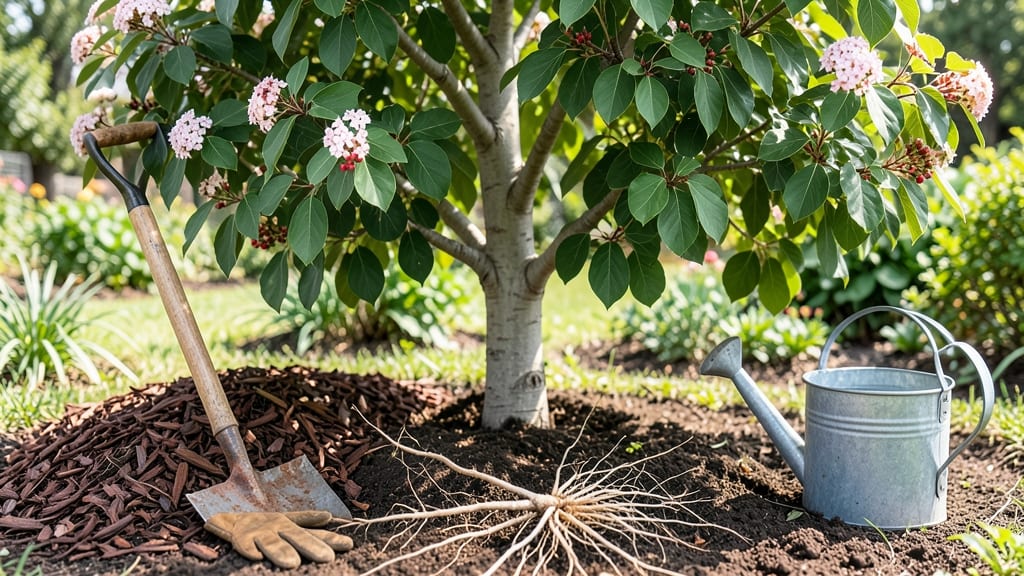
Planting a Dogwood Tree 🌳 in Texas isn't just about digging a hole—it's about timing your move to avoid the brutal summer heat or late frosts that can stifle growth.
If you get the window right, you'll set your tree up for vibrant spring blooms that'll make your yard the envy of the neighborhood.
Most gardeners in Texas zones 8a-10a swear by late fall or early spring as the best months to plant, but here's the catch: North Texas and South Texas have wildly different frost schedules.
A tree planted too early in North Texas might face winter stress, while one planted too late in South Texas could struggle with summer's relentless sun.
I've seen firsthand how a well-timed planting transforms a struggling Dogwood Tree into a thriving centerpiece. Whether you're in the Hill Country or the Gulf Coast, the key is understanding your local microclimate and planting when soil temperatures are just right.
Ready to unlock the secrets to planting success? Let's break down the exact months and regional tips that'll help your Dogwood Tree take root and flourish—no guesswork required.
Best planting months for dogwood trees in Texas by region
Texas' diverse climate means dogwood trees thrive when planted at the right time—too early risks frost damage, while late planting exposes young roots to scorching heat. The key is planting when soil temperatures stay below 70°F and before summer's brutal sun sets in.
Let's break down the ideal windows for North, Central, and South Texas regions to ensure your dogwood establishes strong roots.
Dogwoods prefer cool soil for root development, so aim for fall or early spring planting. In Texas, this translates to November through March, with slight variations depending on your specific region.
Understanding these windows helps avoid transplant shock, which can kill young trees before they even bloom. Let’s dive into the details for each Texas region.
Comparison Table: Best Planting Months for Dogwood Trees by Texas Region
| Region | USDA Zone | Best Planting Window | Soil Temp Goal (°F) | Last Frost Date | Key Consideration |
|---|---|---|---|---|---|
| North Texas | 8a-8b | Late November - Early March | 45-60°F | Mid-February | Avoid early freezes; mulch heavily |
| Central Texas | 8a-9a | Early December - Late February | 50-65°F | Late February | Watch for sudden cold snaps in January |
| South Texas | 9a-10a | January - Mid-March | 55-70°F | Mid-March | Higher humidity; ensure good drainage |
In North Texas, where winters can be harsh, planting between late November and early March gives dogwood roots time to establish before summer heat arrives. The last frost date around mid-February signals it’s safe to plant, but always check your local extended forecast for late freezes.
Soil temperatures should ideally stay between 45-60°F for optimal root growth.
Central Texas offers a slightly longer window, from early December to late February. This region’s milder winters allow for a bit more flexibility, but sudden cold snaps in January can still damage young trees.
Aim to plant before soil temperatures rise above 65°F, which typically happens by late February. The last frost date here is around late February, so don’t delay too long.
For South Texas, the window shifts later due to warmer winters. Planting from January to mid-March ensures your dogwood avoids the worst of the summer heat. Soil temperatures here can climb faster, so keep them between 55-70°F for best results.
The last frost date is around mid-March, giving you a bit more leeway, but don’t wait too long—summer’s intense sun can stress newly planted trees.
Regardless of region, always check soil moisture before planting. Dogwoods need well-draining soil that retains moisture without becoming waterlogged. If your soil is too sandy or clay-heavy, amend it with compost or organic matter to improve structure.
This step is critical for preventing root rot, especially in South Texas’s humid climate.
One common mistake is planting dogwoods in summer or late spring. The intense Texas sun and heat can cause rapid moisture loss, leading to transplant shock. If you must plant outside the ideal window, choose bare-root trees and provide extra shade and water for the first few weeks.
However, your best bet is to stick to the cool-season windows outlined above.
Pro tip: If you’re planting in containers or urban areas, consider dwarf cultivars like 'Purple Leaf' dogwood. These adapt better to confined spaces and still thrive when planted in the recommended months.
Just ensure the container has drainage holes and use a high-quality potting mix to mimic ideal soil conditions.
Finally, mark your calendar for early spring if you missed the fall window. Dogwoods planted in March can still thrive, but be prepared to water deeply and mulch heavily to protect roots from drying out.
With the right timing and care, your dogwood will reward you with show-stopping spring blooms for decades to come. 🌳
Critical factors that determine dogwood planting success in Texas
Planting dogwood trees in Texas isn’t just about picking the right month—it’s about creating the perfect conditions for survival. Texas heat, drought stress, and soil variations can make or break your tree’s first year.
The soil pH in Texas often skews alkaline, which dogwoods dislike, while moisture retention becomes critical during our long, dry summers. Even the sun exposure needs adjustment depending on whether you’re in East or West Texas.
Dogwoods thrive in acidic soil (pH 5.0–6.5), but Texas native soils often test between 7.5–8.5. Without amending your soil, your tree will struggle to absorb essential nutrients like iron and phosphorus, leading to yellowing leaves and stunted growth.
In East Texas, where humidity is higher, dogwoods can handle more shade, while West Texas varieties need morning sun to avoid scorching. Let’s break down these critical factors to set your dogwood up for success.
✅ DO
- Test soil pH and amend with peat moss or sulfur to lower alkalinity.
- Plant in partial shade (morning sun only) to prevent leaf scorch.
- Water deeply 2-3 times weekly during the first year to establish roots.
- Choose native cultivars like 'Cherokee Brave' for better drought tolerance.
❌ DON'T
- Avoid planting in full afternoon sun—it causes heat stress.
- Don’t skip mulching; use 3 inches of organic mulch to retain moisture.
- Never plant in heavy clay soil without amending—it suffocates roots.
- Don’t over-fertilize; light feeds only in spring and fall.
One of the biggest challenges in Texas is transplant shock, especially when planting in summer heat. Dogwoods planted in June or July often suffer from root desiccation because the soil stays too hot for roots to establish.
Even in fall or spring, drought conditions can dry out soil quickly. To combat this, I always water deeply before planting and keep the root ball moist for 4-6 weeks afterward. In West Texas, where rainfall is scarce, consider installing a drip irrigation system to maintain consistent moisture.
Sun exposure is another game-changer. While dogwoods love dappled sunlight, Texas summers can be brutal. In Central and South Texas, where temperatures often exceed 100°F, dogwoods planted in full sun will develop brown, crispy leaves by mid-afternoon. Instead, I recommend planting them where they receive morning sun and afternoon shade, like near a west-facing wall or under a taller tree. In East Texas, where humidity is higher, they can tolerate more shade, but avoid dense canopies that block all light.
Don’t overlook soil preparation—it’s the foundation of success. Texas soils are often heavy and alkaline, which dogwoods despise. Before planting, I mix compost and peat moss into the planting hole to improve drainage and acidity. For clay-heavy soils, adding sand or perlite helps prevent root rot.
If your soil tests above pH 7.0, apply elemental sulfur according to package instructions to lower it gradually. Well-amended soil gives your dogwood the best chance to thrive in Texas’ challenging climate.
Finally, mulching is a non-negotiable step. A 3-inch layer of organic mulch (like pine straw or shredded bark) helps retain moisture, regulate soil temperature, and suppress weeds. Just be sure to keep mulch 6 inches away from the trunk to prevent rot.
In dry regions like West Texas, mulch can reduce watering needs by up to 30%, making it a simple but effective strategy for long-term success.
By paying attention to these critical factors—soil pH, moisture levels, sun exposure, and proper mulching—you’ll give your dogwood tree the best shot at thriving in Texas’ tough conditions.
With the right care, you’ll enjoy vibrant spring blooms and lush foliage for decades to come. 🌳