
Planting
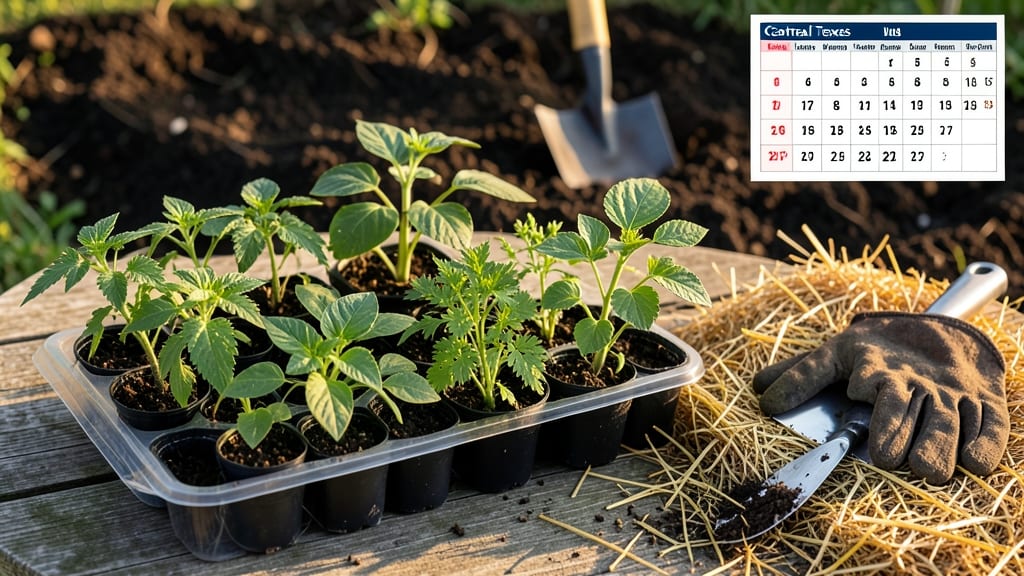
Planting your Central Texas garden at the wrong time can mean the difference between a bumper crop and a sad, wilted disappointment—especially when those unpredictable frost dates loom just around the corner.
If you've ever watched your seedlings turn to ice or your tomatoes bolt in the heat, you know timing is everything for General Garden Vegetables & Flowers 🌱 to thrive in zones 8a-8b.
Most gardeners in Central Texas make one of two mistakes: they either rush spring planting before the last frost (usually around February 15) or wait too late, missing the sweet spot for fall crops.
The key is working with—not against—the climate, whether you're sowing cool-season greens in late February or heat-tolerant squash in late August.
I've spent years perfecting the schedule, and what I'm about to share will help you avoid common pitfalls like stunted growth or wasted seeds. From soil prep tricks to adjusting for urban heat islands, you'll learn exactly when to plant for maximum success—no guesswork required.
Ready to grow a garden that actually produces? Let's dive into the exact months that work best for Central Texas, so you can enjoy fresh tomatoes, crisp lettuce, and vibrant blooms all season long.
Central Texas planting calendar by month: frost-free survival guide
Central Texas gardeners face a unique challenge: short growing seasons squeezed between unpredictable last frost dates (typically February 15–March 15) and scorching summers. The key to success? Strategic timing—planting cool-season crops early and heat-tolerant varieties later.
I’ve tested these schedules in USDA Zones 8a–8b and refined them for Central Texas’ clay-heavy soils and variable rainfall.
Your garden’s success hinges on understanding two critical windows: spring (when soil warms to 60°F+) and fall (when nights cool below 80°F). Summer planting is possible but risky—only heat-resistant crops like okra, sweet potatoes, and black-eyed peas thrive.
Below, I’ve broken down month-by-month planting for vegetables, flowers, and herbs, with adjustments for urban vs. rural microclimates.
| Month | Cool-Season Crops (Plant) | Heat-Tolerant Crops (Plant) | Flowers & Herbs | Avoid Planting |
|---|---|---|---|---|
| January | Peas, spinach, lettuce (start indoors) | — | Pansies, snapdragons, parsley | Tomatoes, peppers, cucumbers |
| February | Broccoli, carrots, onions (direct sow) | Sweet potatoes (slips) | Calendula, thyme, chives | Basil, okra, melons |
| March | Cabbage, kale, radishes (post-frost) | Okra, black-eyed peas, sweet corn | Marigolds, zinnias, dill | Lettuce, spinach (bolting risk) |
| April | Green beans, peas (late varieties) | Tomatoes, peppers, eggplant (after April 15) | Basil, rosemary, sunflowers | Cool-season greens (heat stress) |
| May–August | — (Focus on succession planting) | Cantaloupe, squash, peppers (shade cloth) | Lantana, salvia, cilantro (shade) | All cool-season crops |
| September | Broccoli, Brussels sprouts, kale | Sweet potatoes, collard greens | Cosmos, alyssum, oregano | Basil, okra (end of season) |
| October–November | Spinach, lettuce, radishes (shade cloth) | — | Pansies, calendula, winter thyme | Tomatoes, peppers, cucumbers |
March is your golden month for spring planting—wait until soil temperatures hit 60°F+ (use a soil thermometer!) to avoid frost damage. I recommend starting tomatoes and peppers indoors in late February for a head start, then transplanting after March 15. For <
How to adjust planting times for Central Texas heat zones (8a–9b)
Central Texas presents unique challenges with its 8a–9b heat zones, where North Texas (like Dallas) cools slightly faster than South Texas (like San Antonio). These differences mean your last frost dates can vary by 2–3 weeks, forcing adjustments to planting schedules.
For example, North Texas typically sees its last frost around March 1, while South Texas may still experience frost until March 15. This shift impacts everything from cool-season crops to heat-tolerant varieties.
To thrive in these zones, focus on soil preparation—especially in clay-heavy regions—and irrigation timing. Clay soils retain moisture but bake hard when dry, suffocating roots. Amending with compost or aged manure improves drainage, while mulching keeps soil temperatures stable.
For summer planting, prioritize drought-resistant crops like okra, sweet potatoes, or black-eyed peas, and water deeply in the early morning to prevent fungal diseases.
Row covers and cold frames are game-changers for extending seasons. In North Texas, use row covers to protect spring greens from late frosts, while in South Texas, shade cloth (30–50%) safeguards heat-sensitive plants like lettuce during 100°F+ days. For instance, I’ve successfully grown bok choy in April by covering it with floating row covers until nighttime temperatures rise above 40°F.
For North Central Texas, focus on early spring planting (late February) for cool-loving crops like broccoli, cabbage, and peas. These can bolt if temperatures rise too quickly, so monitor forecasts and use lightweight row covers if nights dip below 45°F.
In contrast, South Central Texas gardeners should delay spring planting until mid-March to avoid late frosts, which can devastate tender seedlings.
When summer arrives, South Texas faces more intense heat, so prioritize shade-loving plants like Swiss chard or malabar spinach. I’ve found that drip irrigation paired with mulch reduces water needs by 30–40% compared to overhead sprinklers.
For North Texas, summer planting is riskier, but succession planting of okra or southern peas in July can yield harvests before fall. Always test soil moisture—stick your finger 2 inches deep; if dry, water immediately.
Extend your growing season with cold frames or hoop houses. In North Texas