
Plants
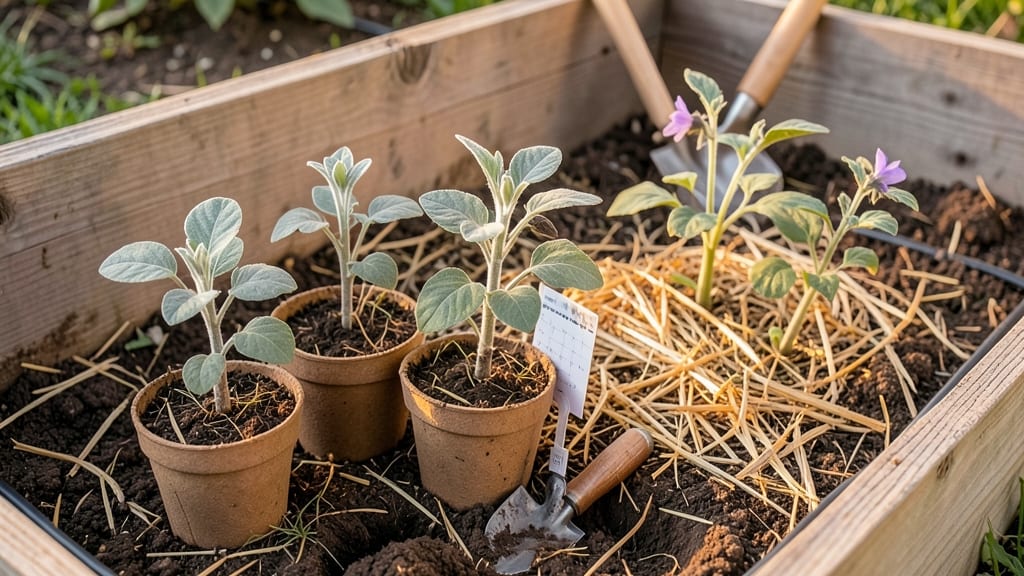
Timing is everything when you're growing eggplant 🍆 in Southern California—plant too early, and the heat will fry your seedlings before they even sprout. But get it right, and you'll be harvesting glossy, vibrant fruits from June through December.
Most gardeners in zones 9b-11 (coastal or inland) know the basics: avoid frost, wait for warm soil. But here's the trick—eggplants need consistent heat to thrive, so the real magic happens in those spring and fall windows when temperatures are just right.
In this guide, I'll break down the exact months to plant for your microclimate, whether you're in the cooler coastal areas or the hotter inland zones. You'll learn how to prep your soil, time your seedlings, and even extend your harvest season with simple tricks.
Ready to grow eggplants that outperform the grocery store? Let's dive into the perfect planting schedule for your Southern California garden.
Optimal eggplant planting windows in Southern California’s microclimates
Southern California’s diverse climate—from coastal breezes to inland desert heat—creates unique eggplant-growing opportunities. Unlike northern regions, we don’t worry about frost, but timing still matters to avoid heat stress or stunted growth. The key? Plant when soil reaches 70°F+ and temperatures stay consistently above 65°F at night.
Eggplants are heat-loving annuals that thrive in USDA zones 9b-11, but each microclimate has its own ideal window. Coastal areas like San Diego can plant earlier, while Palm Springs gardeners must time carefully to avoid summer’s scorching peaks. Let’s break down the perfect planting schedule for your specific zone.
🌱 Comparison Table: Eggplant Planting Windows by Southern California Region
For coastal gardeners, the February-April window is ideal because cooler nights prevent bolting. Start seeds indoors in January for transplants ready by March 1. In Inland Empire areas, wait until March 1 to avoid late-winter chill, which can stunt seedlings.
The desert regions require the most patience—plant after March 15 to let soil warm sufficiently. Use black plastic mulch to raise soil temperatures by 10-15°F if planting early. Pro tip: Test soil with a thermometer—eggplants need 70°F+ at 4 inches deep.
Fall planting is your second chance for a harvest. In coastal areas, August-September works perfectly, while inland gardeners should aim for August 15-September 15. Desert regions can extend to October 15 if you use shade cloth during peak afternoon heat.
One common mistake? Planting too close to summer’s 100°F+ days. Eggplants bolt (flower prematurely) when stressed by heat. To avoid this, use shade cloth (30-50%) during June-August if you must plant early. Always choose heat-tolerant varieties like 'Black Beauty' or 'Ichiban' for Southern California.
Prepare soil 4-6 weeks before planting by amending with compost and aged manure to retain moisture. Add perlite or sand if your soil drains poorly—eggplants hate soggy roots. In sandy desert soils, mix in peat moss to improve water retention.
Remember: Spacing matters. Plant seedlings 18-24 inches apart in rows 2-3 feet apart to allow airflow and prevent disease. Use trellises for long varieties like 'Rosa Bianca' to save space and improve yields. Mulch with straw or wood chips to keep roots cool and moisture levels steady.
With these microclimate-specific windows, you’ll avoid the two biggest pitfalls: planting too early (cool soil stunts growth) or too late (heat stress). Stick to these schedules, and you’ll enjoy glossy, firm eggplants from June through November—just in time for summer grilling! 🍆
How to extend eggplant season: staggered planting for continuous harvests
Southern California’s long growing season means you can enjoy fresh eggplants year-round—but only if you plant strategically. Staggered planting lets you avoid the bolting (premature flowering) that happens when plants experience heat stress too early.
By spacing out your plantings, you’ll keep a steady supply from spring through fall without gaps.
Start with spring plantings in March or April when soil temperatures hit 70°F+. Then, follow up with summer plantings in July or August to capitalize on cooling ocean breezes.
This two-wave approach ensures your garden stays productive without sacrificing quality. The key? Shade cloth, consistent moisture, and companion plants to protect young seedlings.
Your Staggered Eggplant Planting Plan
-
Step 1: Spring Planting (March-April)
Start seeds indoors 8-10 weeks before last frost (or transplant hardened seedlings after soil warms to 70°F). Use black plastic mulch to speed soil warming. -
Step 2: Summer Planting (July-August)
Sow seeds directly after the July heatwave subsides. Use 30-50% shade cloth for the first 2 weeks to prevent bolting. -
Step 3: Soil Moisture Tricks
Water deeply early morning (1-2 gallons per plant) and mulch with straw or wood chips to retain moisture. Avoid wetting leaves to prevent fungal diseases. -
Step 4: Companion Planting
Plant basil nearby to repel pests and improve flavor, or pair with marigolds to deter nematodes. Avoid planting near potatoes or tomatoes. -
Step 5: Harvest in Waves
Start harvesting spring-planted eggplants in June-July, then transition to summer-planted harvests by September-October. Pick fruits when firm and glossy.
For coastal areas, you can even squeeze in a fall planting in September if you use row covers to protect from unexpected chilly nights. Inland gardens should focus on the spring-summer waves, as fall heat can still stress plants.
Always choose heat-tolerant varieties like Black Beauty or Ichiban for Southern California’s climate.
Pro tip: Keep a planting journal to track which varieties thrive in your microclimate. Note when you see bolting (flowers forming too early) and adjust future plantings accordingly. With staggered timing, you’ll enjoy eggplants from June through November—no grocery store needed! 🌱