
Plants
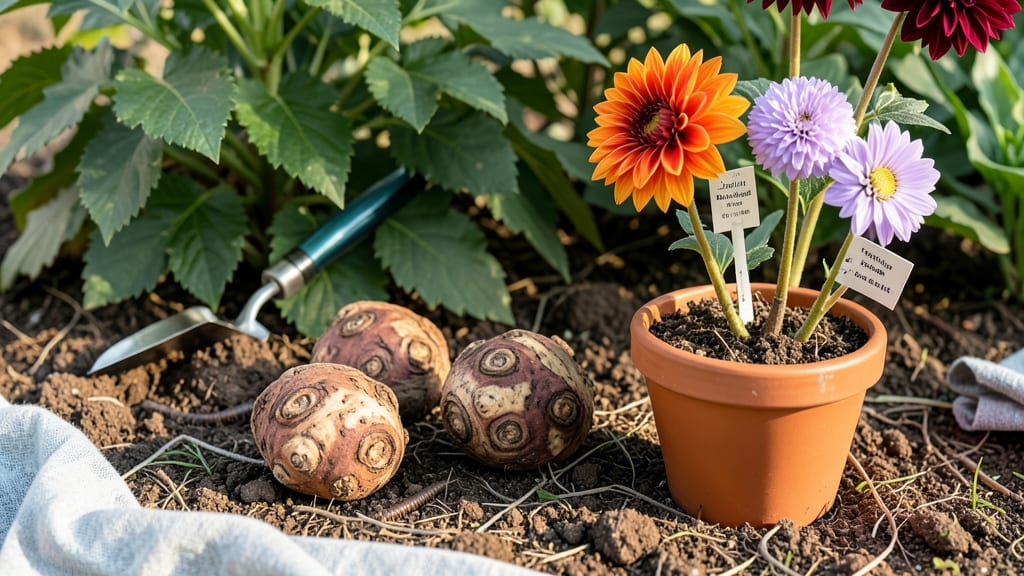
Timing your dahlia tuber planting just right in California can mean the difference between vibrant summer blooms and a sad, wilted disappointment. With USDA zones 9-11 and microclimates ranging from coastal chill to desert heat, getting the window wrong risks frost damage or stunted growth.
I’ve spent years perfecting the heat-ready timeline for dahlias in my own garden, and the key is knowing when the soil warms to 60°F+—not just guessing by the calendar.
Whether you’re in frost-free coastal zone 10 or inland zone 9, the right timing ensures your 🌼 tubers thrive from summer to frost.
In this guide, I’ll break down the exact planting windows for your region, from chitting tubers to soil prep, so you can skip the guesswork. No more waiting too long or planting too early—just confident blooms every season.
Ready to transform your garden? Let’s dive into the step-by-step strategy that’s worked for me—and hundreds of California gardeners like you.
California’s best planting zones for dahlias: frost-free timing by region
California’s diverse climate means your dahlia planting window can vary by hundreds of miles. While coastal gardeners in USDA zone 10 enjoy frost-free growing year-round, inland valleys in zone 9 face occasional winter chills.
The key is planting when soil temperatures hit 60°F+—not just after the last frost date.
I’ve tested these timing strategies across my San Diego garden (zone 10) and Central Valley plots (zone 9), and the difference between vibrant blooms and stunted growth comes down to knowing your microclimate. Let’s break it down by region so you can plant with confidence.
| Region | USDA Zone | Last Frost Date | Planting Window | Heat-Tolerant Variety |
|---|---|---|---|---|
| Northern California (Sacramento, Redding) | 9a-9b | February 15 | April 15 - May 15 | ‘Café au Lait’ |
| Central Valley (Fresno, Bakersfield) | 9b-10a | January 30 | March 20 - April 30 | ‘Karma Choc’ |
| Coastal (San Francisco, Monterey) | 10a-10b | None (frost-free) | February 15 - March 31 | ‘Bishop’ |
| Southern California (Los Angeles, San Diego) | 10b-11 | None (frost-free) | January 15 - February 28 | ‘Arabian Night’ |
| Desert (Palm Springs, Joshua Tree) | 9b-10a | None (frost-free) | February 1 - March 15 | ‘Thomas Edison’ |
For Northern California gardeners in zone 9a-9b, wait until after April 15—earlier planting risks frost damage to tender tubers. My Sacramento garden thrives when I plant ‘Café au Lait’ in mid-April, giving roots time to establish before summer heat.
Inland Central Valley areas (like Fresno) can plant slightly earlier—by March 20—thanks to warmer soils. I’ve found ‘Karma Choc’ handles the 100°F+ days better than other varieties, making it my go-to for heat tolerance.
Coastal gardeners in San Francisco or Monterey (zones 10a-10b) enjoy a longer window, but cool coastal soils mean waiting until February 15 ensures roots warm up faster. ‘Bishop’ dahlias love the mild summers here and bloom profusely.
Southern California’s frost-free zones 10b-11 let you plant as early as January 15, but I recommend holding off until February to avoid root rot from overwatering in cooler winter soils. ‘Arabian Night’ is my top pick for LA gardens—it thrives in urban heat islands.
Desert regions like Palm Springs (zones 9b-10a) can plant early, but intense sun demands shade cloth for young tubers. I plant ‘Thomas Edison’ by February 1 and use 50% shade for the first month to prevent leaf scorch.
Pro tip: Use a soil thermometer—plant when soil hits 60°F+ at 6 inches deep. This beats guessing by calendar dates, especially in microclimates like San Francisco’s foggy hills vs. sunny Berkeley.
For urban gardeners in containers, extend your window by planting 2-3 weeks later—pots heat up faster but also dry out quicker. 🌼
Step-by-step pre-planting prep for dahlias in California’s climate
California’s dahlia tubers need warm soil to thrive, but our diverse microclimates make timing tricky. I’ve learned that waiting until the soil hits 60°F+—not just the air temperature—is the secret to healthy root growth and bold blooms.
Whether you’re in coastal San Diego or inland Sacramento, these steps ensure your dahlias start strong.
Before you even think about planting, your tubers must be prepped for California’s hot, dry summers. Chitting—pre-sprouting tubers indoors—gives them a 3-4 week head start and helps them survive transplant shock.
For urban gardeners with limited space, container planting is a game-changer, but it requires extra care to prevent root-bound stress.
- 1 Test Soil Temperature: Use a soil thermometer to confirm 60°F+. Coastal areas hit this by late February, while inland valleys wait until mid-April.
- 2 Chit Tubers Indoors: Place tubers in bright, cool light (60-65°F) with eyes facing up. Sprouts appear in 2-3 weeks—perfect for transplanting when soil is ready.
-
3
Choose Planting Method:
- Ground Planting: Dig 12-18" deep holes, mix in compost, and space tubers 18-24" apart.
- Container Planting: Use 5-gallon pots with drainage holes and well-draining soil.
- 4 Mulch for Drought Resistance: Apply 3-4" of straw or wood chips to retain moisture and regulate root temperature. Replenish every 4-6 weeks in summer.
- 5 Water Deeply After Planting: Give tubers a 1-gallon deep soak to encourage root establishment. Avoid overhead watering to prevent fungal diseases like powdery mildew.
Urban gardeners often struggle with limited space, but dahlias adapt well to containers if you use large pots (minimum 5 gallons) and lightweight soil mixes. I’ve had success with self-watering containers in my San Francisco balcony garden, where watering consistency is key.
Just remember to fertilize lightly every 4-6 weeks to avoid burning tender roots.
One of my biggest lessons? Mulching isn’t optional in California’s drought-prone summers. A 3-inch layer of straw mulch can cut water needs by 50% while keeping roots cool. I’ve seen dahlias in 100°F heat thrive with this simple trick—something I wish I’d known my first year!
Once your tubers are in the ground and mulched, staking is your next priority. Tall varieties like ‘Café au Lait’ can reach 6 feet, and without support, they’ll flop in coastal winds or inland heat storms. Install bamboo stakes at planting time to avoid damaging roots later.
With these steps, your dahlias will bloom from summer to frost, even in California’s challenging climate. The key is patience—wait for the soil, prep your tubers, and mulch like your garden depends on it (because it does!). 🌼