
Plants
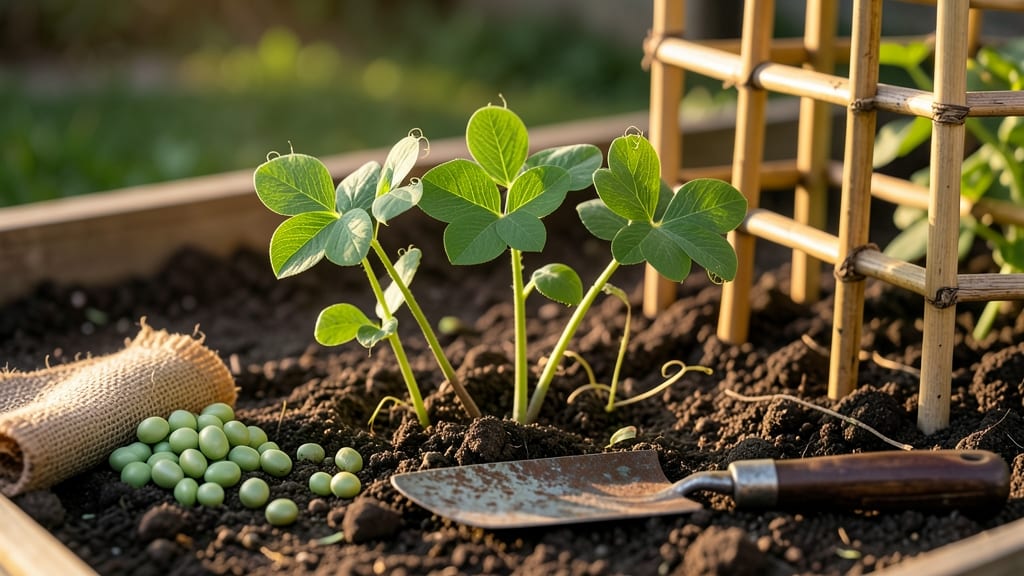
To get your English peas 🌱 thriving in Zone 7, timing is the single most important factor—plant them too early, and frost will steal your crop; too late, and you’ll miss out on those sweet, crisp harvests that make gardening so rewarding.
Most gardeners in Zone 7 assume spring is the only window, but late summer planting can actually give you an earlier fall harvest. The key is knowing exactly when to start seeds for fast germination and avoiding common mistakes that slow growth.
I’ve tested both spring and fall planting over the years, and the results are surprising. Whether you’re a first-timer or a seasoned gardener, mastering these best months will transform your English pea yields—no more wasted seeds or disappointing patches.
Let’s break down the exact planting schedule, soil prep secrets, and how to adjust for your specific Zone 7 microclimate—so you can enjoy a steady supply of homegrown peas all season long.
Best planting months for English peas in Zone 7: a month-by-month breakdown
In Zone 7, English peas thrive when planted during two distinct windows: late winter/early spring and late summer/early fall. These periods align with soil temperatures between 45°F and 75°F, ideal for germination and vigorous growth.
Coastal areas may have slightly earlier planting dates, while inland regions should wait until after last frost dates (typically March 15 for most of Zone 7).
Spring planting yields the most abundant harvests, while fall crops provide a second chance for tender peas before winter sets in. Understanding these windows ensures you avoid frost damage and maximize your harvest window (typically May-June for spring and September-October for fall).
| Planting Window | Best Months | Soil Temp (°F) | Days to Harvest | Key Notes |
|---|---|---|---|---|
| Spring Planting | February-March | 45-65°F | 60-75 days | Plant 4-6 weeks before last frost. Early varieties first, mid-late varieties 2 weeks later. |
| Fall Planting | August-September | 60-75°F | 50-60 days | Sow 8-10 weeks before first frost. Use cold-hardy varieties like 'Lincoln' or 'Green Arrow'. |
| Late Summer Succession | July-August | 65-75°F | 55-65 days | Extend harvest with staggered plantings every 2 weeks. Ideal for heat-tolerant varieties. |
| Avoid Planting | April-May, October-Nov | Above 80°F | N/A | Peas struggle in extreme heat. Soil temps above 80°F cause poor germination. |
For spring planting, start with early-maturing varieties like 'Little Marvel' in late February (coastal areas) or early March (inland). Follow with mid-season varieties like 'Sugar Snap' 2 weeks later.
This staggered approach ensures continuous harvests through June. Always plant when soil temperatures consistently reach 45°F—colder soils delay germination.
In late summer, focus on August plantings for fall harvests. Choose cold-hardy varieties that tolerate light frosts, like 'Lincoln' or 'Wando'. These varieties mature in 50-60 days, giving you pods ready by late September before winter arrives. Use row covers to extend the season if needed.
Zone 7's regional variations matter—coastal areas (like North Carolina) can plant 2-3 weeks earlier than inland regions (like Tennessee). Check your local last frost date and adjust planting times accordingly.
For example, Asheville, NC (Zone 7a) might plant in mid-February, while Nashville, TN (Zone 7b) waits until late February.
If you miss the spring window, don't despair—fall planting offers a second chance. Sow seeds in early August for a harvest before winter. Use well-draining soil and full sun to ensure strong growth.
Avoid planting too late—seeds sown after mid-September rarely mature before frost. Always test soil temperatures with a soil thermometer to confirm readiness.
Pro tip: Succession planting every 2 weeks in spring and fall keeps your harvests coming. For example, plant a row of 'Sugar Ann' in February, another in March, and a final row in July for a continuous supply.
This method also reduces pest pressure, as different plantings mature at different times. Pair peas with radishes or lettuce to maximize space and deter pests.
Remember, peas are cool-season crops—they thrive in mild temperatures and suffer in heat. If summer temperatures exceed 80°F, provide afternoon shade with shade cloth or plant in partial shade to prevent flower drop. This adjustment can extend your growing season by 2-3 weeks in hotter microclimates.
Finally, always prepare your soil before planting. English peas prefer loamy, well-draining soil with a pH of 6.0-7.0. Mix in <
How to maximize germination speed: soil prep and planting tips for Zone 7
Fast germination starts with the right soil temperature and moisture balance. English peas thrive when soil reaches 45-50°F, which in Zone 7 typically means waiting until late February to March for spring planting.
For fall crops, aim for August sowing to ensure seeds sprout before cooler weather sets in.
Zone 7’s clay-heavy or sandy soils can slow germination. Amend clay soil with compost or sand to improve drainage, while sandy soils benefit from organic matter like peat moss. A pH between 6.0-7.0 is ideal—test your soil and adjust with lime or sulfur if needed.
⚠️ callout warning ⚠️
⚠️ Critical Mistake: Planting Too Deep
English pea seeds need 1-inch depth max—burying them deeper than 1.5 inches delays germination. Use your finger to create shallow furrows or plant in well-drained raised beds for faster sprouting.
For even germination, soak seeds overnight in lukewarm water before planting. This softens the seed coat and speeds up sprouting by 2-3 days. Plant seeds 2-3 inches apart in rows spaced 18 inches apart to allow airflow and reduce disease risk.
Companion planting boosts germination speed. Pair peas with radishes, carrots, or cucumbers—these plants deter pests like pea aphids while improving soil structure. Avoid planting near garlic or onions, which can stunt pea growth.
After planting, keep soil consistently moist (not soggy) with 1 inch of water weekly. Use mulch like straw to retain moisture and regulate soil temperature. In Zone 7’s unpredictable spring weather, a row cover can protect young seedlings from late frosts while maintaining ideal humidity.
Monitor soil temperature with a thermometer—peas won’t sprout below 40°F. If daytime temps dip, use black plastic mulch to absorb sunlight and warm the soil faster. With these steps, you’ll see sprouts in 7-14 days instead of waiting weeks!