
Plants
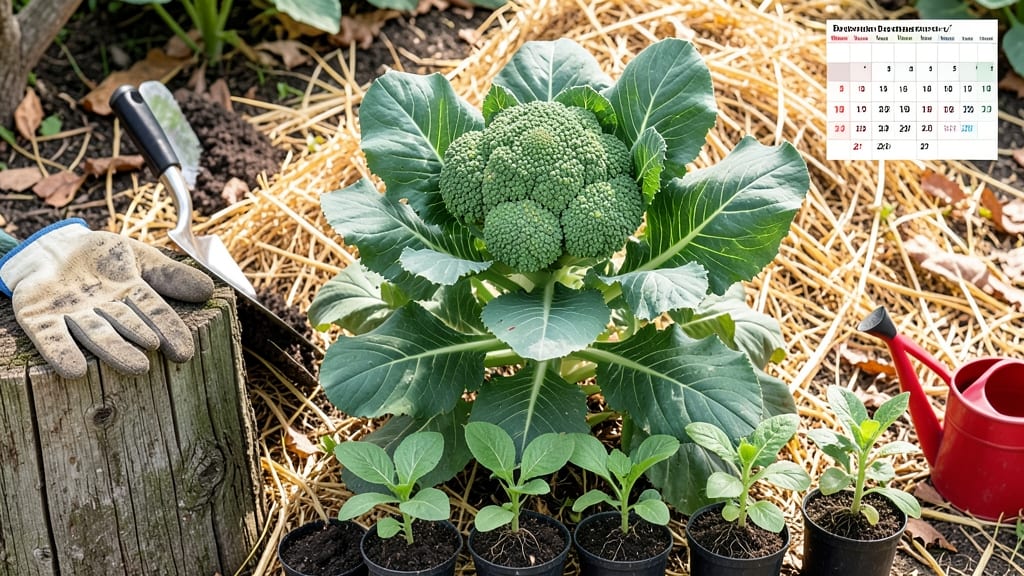
When to plant fall crops in Zone 7 can mean the difference between a bountiful harvest and a sad, frost-bitten garden. With just 180 frost-free days in this zone, knowing exactly when to plant each variety is the key to avoiding disappointment.
I’ve learned the hard way that planting too early risks bolting greens, while waiting too long leaves you scrambling before the first frost. The secret? Start your 🌱 fall crops between late July and early September—depending on how quickly they mature.
Let me walk you through the exact schedule by crop so you can enjoy fresh greens, roots, and more right through winter.
From heat-loving varieties like Swiss chard to cold-hardy kale, each plant has its own sweet spot for soil temperatures and daylight. You’ll discover how to stretch your harvest window, protect tender seedlings, and even salvage late starts with simple tricks.
Ready to turn your garden into a fall feast? Let’s get planting.
Whether you’re a first-time gardener or a seasoned pro, these insights will help you beat the clock—and the cold. No more guessing games, just a foolproof plan for a garden that keeps giving long after summer fades.
Zone 7 fall planting calendar: exact dates by crop maturity
Zone 7 gardeners enjoy a longer growing season than many regions, but fall planting requires precision to avoid early frost damage. With an average first frost date of November 15, your timing depends on how quickly each crop matures.
Plant too early, and your seedlings bolt or rot; too late, and you miss the harvest window entirely. The key is calculating backwards from frost—starting with fast-maturing crops like radishes (30 days) and ending with slower growers like Brussels sprouts (120 days).
Heat-tolerant varieties are your secret weapon for late summer starts. For example, ‘Black Seeded Simpson’ lettuce thrives in 85°F soil and matures in just 45 days, while ‘Winterbor’ kale handles 20°F temperatures after hardening off.
Below, I’ve mapped out the exact planting windows for each maturity group, ensuring you harvest before winter sets in.
| Crop Type | Maturity Days | Planting Window (Zone 7) | Heat-Tolerant Variety | Harvest Before |
|---|---|---|---|---|
| Fast (30-45 days) | 30-45 | Late July–mid-August | ‘Cherry Belle’ Radish, ‘Salad Bowl’ Lettuce | October 15 |
| Medium (45-60 days) | 45-60 | Mid-August–early September | ‘Winterbor’ Kale, ‘Paris White’ Carrot | November 1 |
| Slow (60-120 days) | 60-120 | Early August–mid-September | ‘Waltham 29’ Broccoli, ‘Long Island Improved’ Onion | December 15 |
| Biennials (120+ days) | 120+ | Late July–early August | ‘Ruby Streak’ Fennel, ‘Jade Cross’ Brussels Sprout | January 1 (with row covers) |
For fast-maturing crops like radishes and lettuce, start sowing in late July to harvest by mid-October. These varieties tolerate summer heat but need consistent moisture to prevent bolting. Use shade cloth if temperatures exceed 85°F for more than a few days.
Medium-maturing crops such as kale and carrots should go in by mid-August.
These thrive in cooler fall temperatures and benefit from succession planting—sow every 2 weeks until September 15 for a staggered harvest. ‘Winterbor’ kale, for example, sweetens after frost, making it a must-have for fall gardens.
Slow growers like broccoli and onions demand early starts. Plant Waltham 29 broccoli by early August to harvest before December 15. These crops prefer 60°F soil and struggle in hot August conditions. Use straw mulch to keep roots cool and moist.
Biennials like Brussels sprouts and fennel are the long-game players of fall gardening. Start them by late July to harvest into January with row covers. These plants handle light frosts but need well-draining soil to avoid rot. ‘Jade Cross’ Brussels sprouts produce tight, flavorful buds when grown through winter.
Pro tip: Use a planting calendar app like Gardenate to track your last frost date and adjust for microclimates. If your garden sits in a frost pocket, plant heat-lovers like ‘Black Seeded Simpson’ lettuce closer to September 1 instead of August.
Don’t forget to harden off seedlings 7–10 days before transplanting. Gradually expose them to outdoor conditions to prevent shock. For container gardening, choose compact varieties like ‘Little Gem’ lettuce (30 days) or ‘Tokyo Cross’ radishes (25 days) to maximize space.
With this backward-planting strategy, you’ll avoid the common mistake of waiting until September to plant slow growers—only to watch them struggle in fall’s short days. Test your soil’s pH (6.0–7.0 ideal) and add compost for a nutrient boost before planting.
Now grab your gardening gloves and mark your calendar! The fall harvest you’ve been dreaming of is just planting dates away. 🌱
Top 5 fall crops for Zone 7 and how to extend their season
Fall gardening in Zone 7 is your chance to harvest nutrient-rich vegetables long after summer’s heat fades. The key? Choosing the right crops and using simple tricks to protect them from early frosts.
I’ve grown these top 5 varieties year after year, and with the right timing, you can enjoy fresh greens and roots well into December.
These crops thrive in cooler weather and actually sweeten in frost. But without protection, a 28°F night can ruin your harvest. That’s why I focus on kale, carrots, spinach, radishes, and Brussels sprouts—they’re forgiving, productive, and perfect for extending your growing season with minimal effort.
- 🌱 Kale (Winterbor) – Plant 8 weeks before frost (late July). Use row covers to harvest until January.
- 🥕 Carrots (Nantes) – Sow 6-7 weeks before frost (early August). Thin seedlings to 2 inches apart for sweet roots.
- 🌿 Spinach (Bloomsdale) – Direct seed 4-5 weeks before frost (mid-September). Succession plant every 2 weeks for continuous harvests.
- 🌻 Radishes (Cherry Belle) – Fastest crop! Plant 3-4 weeks before frost (late September). Harvest in 21 days or let bolt for seeds.
- 🌱 Brussels Sprouts (Long Island Improved) – Start 90 days before frost (mid-July). Protect with cold frames to harvest until December.
For kale, I swear by Winterbor—it’s the toughest variety I’ve tried. Plant it in late July for a head start, and by adding a floating row cover when temps dip, you’ll get crisp leaves even in 20°F weather. The secret? Mulch heavily with straw to insulate roots.
Carrots are trickier in fall—they need loose, stone-free soil to grow straight. I mix in compost and sand before planting Nantes variety in early August. If your soil compacts easily, build raised beds to avoid forked roots. Thin seedlings early to prevent competition.
Spinach is my go-to for quick harvests. I plant Bloomsdale in mid-September and again in late October for a second batch. Use shade cloth if your garden gets too hot—spinach bolts fast in 80°F+ soil. Harvest outer leaves first to keep plants producing.
Radishes are the easiest win for fall. Cherry Belle matures in just 21 days, so I plant them every 2 weeks starting in late September. They’re ready long before frost hits, and you can even grow them in containers on a patio. Pull them before they get woody!
Brussels sprouts are rewarding but patient. Start seeds indoors in mid-July for 90-day varieties like Long Island Improved. Transplant seedlings into deep soil and stake them—these plants get heavy. When temps drop, cover them with a mini greenhouse or burlap sacks to trap heat during the day.