
Planting
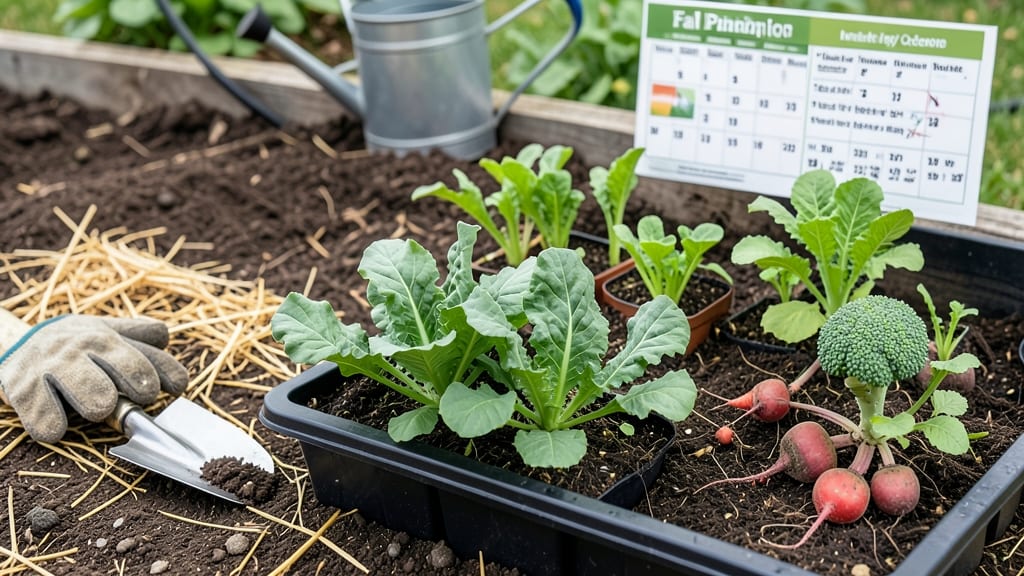
Planting your fall garden in Missouri at the wrong time can mean the difference between a bountiful harvest and wasted effort—especially when frost sneaks in earlier than expected.
With Missouri’s 5b-7a zones, timing isn’t just about the calendar; it’s about knowing exactly when to start seeds or transplant seedlings to beat the first frost.
Most gardeners in Missouri wait until mid-August to mid-September to plant cool-season crops like kale, spinach, and carrots, but the real secret lies in counting backward from your region’s first frost date.
Whether you’re in St. Louis, Kansas City, or the Ozarks, planting 4-6 weeks before frost ensures your greens and roots mature before winter sets in.
I’ve tested this schedule for years, and the results speak for themselves: harvests that last well into November, even when temperatures dip. The key? Choosing the right crops for your zone and giving them the care they need to thrive in Missouri’s shorter daylight hours.
Ready to turn your backyard into a fall harvest goldmine? Let’s break down the exact steps—from soil prep to frost-proofing—to guarantee your 🍂 Fall Garden Vegetables shine all season long.
Missouri’s fall planting timeline: exact weeks before first frost by region
Missouri’s fall frost dates vary dramatically across regions—from early October in the Northeast to mid-November in southern zones. To avoid frost damage or wasted effort, timing is everything.
I’ve broken down the exact weeks before first frost for Missouri’s four key regions, so you can plant leafy greens, root crops, and brassicas with confidence.
Your fall harvest success depends on two critical factors: average first frost dates and crop maturity timelines. For example, spinach needs 30-50 days to mature, while broccoli requires 60-80 days.
Plant too early, and you’ll lose crops to bolting or pests; too late, and frost will kill tender seedlings before they thrive.
Here’s your region-specific planting schedule, calculated using Missouri’s USDA zones 5b-7a and historical frost data. Use these weeks before frost as your guide to transplant seedlings or direct-sow seeds.
| Region | Avg. First Frost | Weeks Before Frost to Plant | Leafy Greens (Spinach, Lettuce) | Root Crops (Carrots, Radishes) | Brassicas (Broccoli, Kale) |
|---|---|---|---|---|---|
| Northeast MO (e.g., Kirksville) | October 10 | 4-5 weeks before | Late August - Early Sept | Mid-August - Late Sept | Early August - Mid-Sept |
| St. Louis Metro (Zone 6a) | October 25 | 5-6 weeks before | Late August - Early Sept | Mid-August - Early Oct | Late July - Early Sept |
| Kansas City (Zone 6a) | October 20 | 5 weeks before | Late August - Early Sept | Mid-August - Late Sept | Late July - Early Sept |
| Springfield (Zone 6b) | October 30 | 6 weeks before | Late August - Early Sept | Mid-August - Early Oct | Late July - Early Sept |
For Northeast Missouri, where frosts arrive earliest, focus on fast-maturing crops like radishes (25 days) and baby spinach (30 days). Start seedlings indoors in late July and transplant by mid-August to ensure harvests before October 10.
In St. Louis and Kansas City, you’ve got a slightly longer window—ideal for broccoli and kale, which need 60-80 days to mature.
In Springfield and southern Missouri, where first frosts often hit after October 30, you can push the envelope with slow-growing crops like cabbage or cauliflower. These cool-season staples thrive when planted 6 weeks before frost, giving them time to bulk up before winter.
Pro tip: Use row covers to extend harvests by 2-3 weeks in all regions.
If you’re direct-sowing seeds (like carrots or beets), aim for 6-8 weeks before frost to avoid overcrowding as seedlings mature. For transplants (e.g., broccoli or kale), wait until 4-5 weeks before frost—this gives roots time to establish before cold snaps.
I’ve found that late August transplants in St. Louis often yield the best fall harvests.
Don’t forget to adjust for microclimates—low-lying areas or urban heat islands may frost 1-2 weeks earlier than rural zones. For extra protection, choose cold-hardy varieties like ‘Winterbor’ kale or ‘Rainbow’ carrots, which tolerate light frosts and even improve in flavor after a touch of frost.
With this schedule, you’ll harvest crisp greens and sweet roots well into November.
For succession planting, sow fast crops like radishes every 2 weeks from August through September. This ensures a continuous harvest until the first hard frost. Pair leafy greens with root vegetables—spinach and carrots, for example—to maximize space and soil nutrients.
Just remember: overplanting leads to stunted growth, so follow spacing guidelines closely.
Missouri’s fall garden thrives with cool-season crops that mature before the first frost. I’ve grown kale, spinach, carrots, radishes, and broccoli successfully in my Missouri garden, and these five stand out for their hardiness and quick harvests. Each crop has specific timing and spacing needs to maximize your yield before winter sets in. For a successful fall harvest, focus on soil preparation and succession planting. Missouri’s USDA zones 5b-7a mean frost can arrive as early as mid-October in northern regions or linger until late October in southern areas. Planting at the right time ensures your crops mature before the first hard frost, which typically hits between 25°F and 30°F. Start by amending your soil with compost or aged manure to improve drainage and fertility. Fall crops prefer well-draining, slightly acidic soil (pH 6.0-7.0). I always test my soil in early August—if it’s heavy clay, mix in sand or peat moss to loosen it. This helps prevent root rot in carrots and radishes, which can ruin your harvest. When planting, prioritize succession planting for fast-growing crops like radishes and lettuce. Sow a new batch every 2-3 weeks until mid-September. This ensures a steady supply of fresh greens even as temperatures drop. For example, I plant radishes every 10 days in August and early September—they mature in just 25-30 days, giving me multiple harvests before frost. Don’t overlook mulching to protect your fall crops. Apply 2-3 inches of straw or shredded leaves around plants to insulate roots and retain moisture. This is especially critical for broccoli and kale, which can suffer from cold damage if left exposed. Mulch also suppresses weeds, reducing competition for nutrients. Harvest your fall crops before hard frost to preserve flavor and texture. Leafy greens like spinach and kale can tolerate light frosts and may even taste sweeter, but avoid harvesting after a 25°F freeze. For root crops, pull them from the soil when they reach ideal size—usually 1-2 inches in diameter for carrots and ½-1 inch for radishes. Use a fork to loosen the soil gently and avoid damaging roots. Extend your fall harvests by protecting vulnerable plants with row covers or cold frames. These create a microclimate that delays frost damage by 5-10°F. I’ve used floating row covers to keep growing baby lettuce and arugula well into November. Just remember to remove covers during the day to prevent overheating and ensure proper airflow.Best fall crops for Missouri gardens and their planting strategies
🌱 Numbered Highlights: Missouri Fall Planting Strategies