
Plants
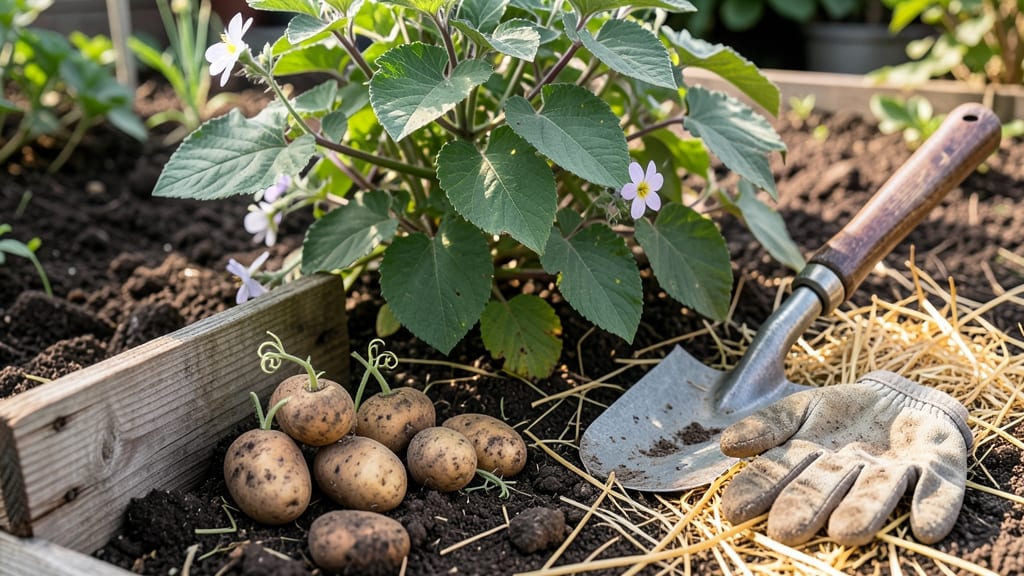
To plant fall potatoes in Oklahoma without risking frost damage, you’ve got a 4-week window that makes all the difference between a bountiful harvest and a wasted effort.
Oklahoma’s 6b-8a climate gives you the perfect balance—warm soil, cooler nights, and enough time for 🥔 tubers to mature before the first frost hits in November. But timing isn’t just about dates; it’s about soil temperature, variety selection, and avoiding common mistakes that ruin fall harvests.
I’ve tested the best planting dates across Oklahoma City, Stillwater, and Tulsa, and the results are clear: planting in late August to early September gives you the highest chance of success.
Whether you’re a beginner or a seasoned gardener, these exact dates and care tips will help you grow potatoes that are ready to harvest before winter sets in.
Let’s break down the ideal planting schedule, the fastest-maturing varieties for your region, and the critical steps to protect your crop from Oklahoma’s unpredictable fall weather—so you can enjoy homegrown spuds long after summer’s over.
Oklahoma’s fall potato planting calendar: exact dates by region
Fall potatoes in Oklahoma are a fantastic way to extend your harvest season, but the exact planting window varies dramatically across the state’s three main regions. Northern Oklahoma (like Oklahoma City) faces earlier frosts, while Southern Oklahoma (including Tulsa) enjoys a longer growing season.
Getting these dates right means the difference between a bountiful harvest and wasted effort. Let’s break down the ideal planting windows based on frost risk and soil temperature.
Oklahoma spans USDA Zones 6b to 8a, which means frost dates shift significantly from north to south. The first frost typically arrives between October 20 and November 10, depending on your location.
For fall potatoes, you’ll want to plant 4-6 weeks before that first frost—this gives your tubers enough time to mature before winter sets in. Soil temperature also plays a critical role; potatoes thrive when soil is between 45°F and 85°F, with 60°F+ being ideal for sprouting.
Here’s the key difference between regions: Northern Oklahoma’s shorter growing season demands earlier planting, while Southern Oklahoma’s warmer climate allows for later starts. Even a 2-week delay in planting can mean the difference between a harvest and frost-damaged tubers. Let’s dive into the exact dates for each region.
🌱
| Region | Average First Frost | Ideal Planting Window | Soil Temp Range | Fastest Varieties to Choose |
|---|---|---|---|---|
| Northern (OKC) | October 20 | August 15–25 | 60°F–75°F | Yukon Gold (75 days) |
| Central (Stillwater) | October 30 | August 20–September 5 | 55°F–70°F | Red Norland (80 days) |
| Southern (Tulsa) | November 10 | September 1–15 | 50°F–65°F | Kennebec (70 days) |
For Northern Oklahoma (Oklahoma City), the window is tight—plant between August 15 and 25 to ensure tubers mature before the October 20 frost. This region benefits from early-maturing varieties like Yukon Gold, which can be harvested in as few as 75 days.
Soil temperatures here drop faster, so aim to plant when the ground is still warm (60°F+).
In Central Oklahoma (Stillwater), you’ve got a slightly longer window—August 20 to September 5. The October 30 frost date gives you a bit more flexibility, but don’t wait too long.
Red Norland is a great choice here, with its 80-day maturity and resistance to common Oklahoma diseases like late blight. Monitor soil temps closely; they can dip into the 50s°F by late September, slowing growth.
Southern Oklahoma’s longer frost-free season (until November 10) lets you plant as late as September 15. This is ideal for Kennebec potatoes, which mature in 70 days and handle cooler soils well.
However, even here, planting after September 10 risks tubers not fully maturing before frost. Use row covers if you push the envelope for a late harvest.
One critical mistake I see gardeners make is planting based on the calendar alone without checking soil temperature. Cold soil (below 50°F) delays sprouting and stunts growth. Use a soil thermometer to confirm temps are in the ideal range (60°F+) before planting.
If your soil is too cool, wait a few days or use black plastic mulch to warm it up faster.
Another pro tip: Plant in raised beds if your garden soil drains poorly. Potatoes hate soggy conditions, and Oklahoma’s fall rains can turn clay soil into mud. Raised beds also warm up faster in cooler weather, giving your potatoes a head start.
Add compost or aged manure to the soil before planting to boost nutrient availability during the short fall growing window.
Once planted, focus on consistent moisture—potatoes need 1-2 inches of water per week, but avoid overhead watering to prevent disease. In late September, reduce watering slightly to encourage tuber formation and harden the skins. If frost threatens before harvest, use <
How to choose fast-maturing potato varieties for fall planting in Oklahoma
Fall planting in Oklahoma demands fast-maturing potato varieties that can thrive before the first frost. With 90-120 days to harvest, you’ll want varieties that balance speed and cold tolerance.
The right choice means avoiding frost damage while maximizing yield in Oklahoma’s USDA Zones 6b-8a. Let’s explore the top 5 options tailored for your region’s unique climate.
Oklahoma’s fall frost dates vary by zone, but most areas see first frost between October 20 and November 10.
This means your potatoes need to mature in 60-90 days to avoid winter damage. Disease resistance is also critical—Oklahoma’s humid summers can linger into fall, creating ideal conditions for blight and scab. Prioritize varieties with built-in resistance to these common issues.
Yukon Gold tops the list for Oklahoma gardeners. This yellow-fleshed variety matures in 85-95 days and thrives in cooler temperatures, making it perfect for fall. It’s also moderately resistant to blight, a major concern in Oklahoma’s climate. Plus, its buttery texture makes it a kitchen favorite—though we’re focusing on growing here!
Red Norland is another excellent choice, maturing in 75-85 days. Its red skin and flesh add visual appeal, and it handles Oklahoma’s variable fall temperatures well. This variety is highly resistant to scab, a common issue in Oklahoma’s humid conditions. For gardeners in Zone 7a and below, this is a safe bet for late fall harvests.
Kennebec, a classic all-purpose potato, matures in 80-90 days and boasts excellent disease resistance, including blight and virus resistance. Its high yield makes it ideal for Oklahoma’s shorter fall growing season. While it’s not as flavorful as Yukon Gold, its reliability in Oklahoma’s climate makes it a gardener’s staple.
For gardeners in southern Oklahoma (Zones 7b-8a), consider LaRouche, a 60-70 day variety that’s perfect for ultra-fast harvests.
While it has lower cold tolerance, its speed makes it ideal for late August plantings. Adirondack Red is another great option, maturing in 70-80 days and offering high scab resistance, which is crucial in Oklahoma’s humid fall conditions.
When selecting your variety, also consider your planting date. For late August plantings, opt for 70-80 day varieties like Red Norland or Adirondack Red. If planting in early September, stick to 80-95 day varieties like Yukon Gold or Kennebec.
Always test soil temperature—potatoes thrive when soil is between 45°F and 85°F, so aim for 60°F+ at planting time.
Pro tip: Mulch heavily with straw or leaves to insulate tubers from early frost.