
Planting
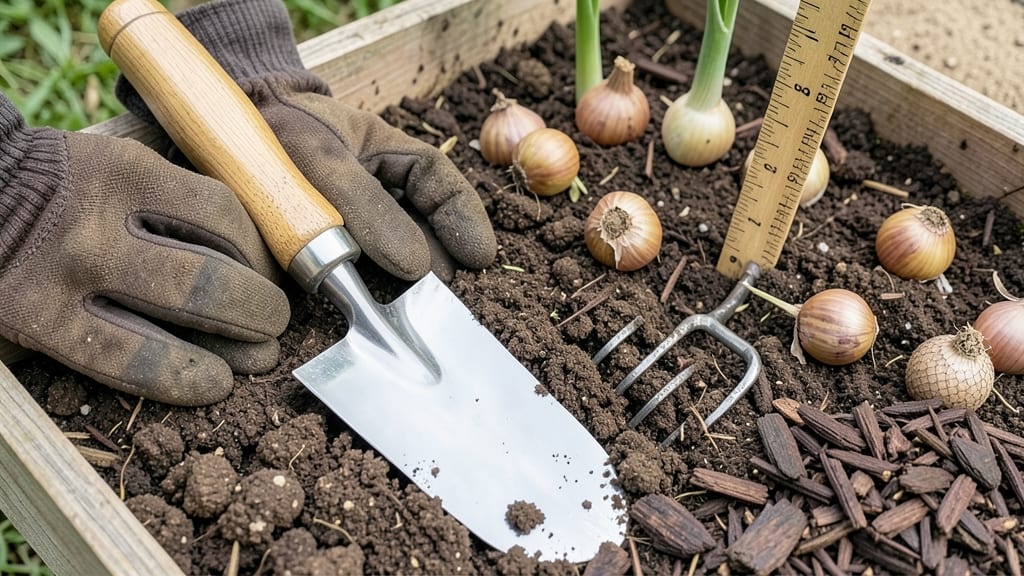
Planting flower bulbs 🌸 in the fall isn’t just about timing—it’s about giving them the perfect head start for a spectacular spring show.
If you’ve ever wondered why some gardeners swear by the 6-week pre-frost rule, it’s because this window lets bulbs establish strong roots before winter dormancy kicks in.
For most gardeners in USDA Zone 6a, that means digging in bulbs between September and November, but the exact date depends on your local frost forecast. Get it wrong, and you might end up with weak growth—or worse, bulbs that rot before they even bloom.
I’ve learned the hard way that rushing or waiting too long can turn a vibrant garden into a disappointment. The good news? With the right approach, you can transform your yard into a sea of color next spring.
Let’s break down exactly when, where, and how to plant for maximum impact.
From choosing the best bulbs for your climate to preparing soil that bulbs will love, this guide covers everything you need to know. Whether you’re a beginner or a seasoned gardener, these tips will help you avoid common mistakes and ensure your flower bulbs thrive year after year.
The 6-Week pre-frost rule: exact timing for fall flower bulb planting
Fall is the perfect time to plant flower bulbs, but timing is everything. The 6-week pre-frost rule ensures bulbs establish roots before winter dormancy. This window lets bulbs grow strong roots while avoiding frost damage—critical for vibrant spring blooms.
Whether you're planting tulips, daffodils, or crocuses, this rule is your gardener’s compass.
Why does this rule work? Bulbs need 4-6 weeks to form roots before the ground freezes. If planted too early, they may sprout and die in fall frost. Too late, and roots won’t establish before winter.
The key is soil temperature, not just calendar dates—bulbs need 60°F soil to start growing but can’t survive below 40°F.
Here’s how to calculate your exact planting window: Check your USDA hardiness zone and local frost dates. Subtract 6 weeks from your first frost date to find your ideal planting window.
For example, in Zone 5 (first frost around October 15), plant by September 1. Adjust for milder zones—Zone 8 gardeners can plant until December.
Soil temperature matters more than calendar dates. Use a soil thermometer to confirm temps are between 50-60°F—ideal for root growth. If your soil is too warm (above 70°F), bulbs may sprout prematurely. In hot climates, plant deeper or use shade cloth to cool the soil.
Regional adjustments are key. Northern gardeners (Zones 3-5) should plant by mid-October, while Southern gardeners (Zones 7-9) can extend planting until December. Coastal areas with mild winters may have longer windows, but always prioritize soil temperature over calendar dates.
🌱Pro Tip: Use a frost forecast app or local weather service to track your first frost date. Many regions have 10-14 days of variability, so flexibility is key. For example, a late frost in Zone 6 might push planting to late October.
| USDA Zone | First Frost Date | Planting Window | Soil Temp Goal | Best Bulbs |
|---|---|---|---|---|
| Zones 3-4 | Mid-September | Late August - Early September | 50-60°F | Tulips, Daffodils, Hyacinths |
| Zones 5-6 | Mid-October | Early September - Mid-October | 55-65°F | Crocuses, Alliums, Snowdrops |
| Zones 7-8 | Late November | October - December | 60-70°F | Lilies, Fritillaries, Rain Lilies |
| Zones 9-10 | January | November - January | 65-75°F | Crinum, Nerine, Galtonia |
Common mistakes derail perfect timing. Many gardeners plant too early (risking frost damage to new shoots) or too late (roots don’t establish). Always double-check soil temps—60°F is the magic number for root growth. If your soil is still warm, wait a week or two before planting.
For container gardeners, the rule applies too. Plant bulbs in pots 6 weeks before frost, using well-draining soil. Move containers to a garage or cold frame if temps drop below 40°F to protect roots. This works especially well for tender bulbs like dahlias or cannas.
🌿Remember: The 6-week rule isn’t rigid—it’s a guideline. Adjust for your microclimate. If you’re in a frost pocket or have unpredictable weather, err on the earlier side. The goal is strong roots before winter, not a perfect calendar date.
Once planted, mulch bulbs with 2-3 inches of straw or leaves to insulate roots. This protects them from freeze-thaw cycles and keeps soil temps stable. In spring, remove mulch when shoots emerge to encourage blooming. With the right timing, your garden will reward you with bold, early spring color.
Best fall-blooming bulbs to plant now (and when to avoid them)
Fall is the perfect time to plant bulbs that will reward you with vibrant spring blooms. The right fall-blooming bulbs can transform your garden into a colorful masterpiece, but choosing the wrong ones—or planting them at the wrong time—can leave you disappointed.
I’ve tested dozens of varieties over the years, and these top performers consistently deliver stunning results with minimal effort.
Timing is everything when it comes to fall bulb planting. Plant too early, and your bulbs may sprout and get damaged by early frost. Plant too late, and they won’t establish strong roots before winter.
The key is to follow the 6-week pre-frost rule, which ensures bulbs have enough time to root before the ground freezes. Let’s dive into the best bulbs to plant now and when to skip them entirely.
- 1. Daffodils (Narcissus): Plant 6-8 weeks before frost (ideal in USDA zones 3-9). These deer-resistant bulbs thrive in full sun to partial shade and bloom early, often pushing through snow for a cheerful display.
- 2. Tulips (Tulipa): Best planted 4-6 weeks before frost (zones 3-8). Choose Darwin Hybrid or Parrot tulips for bold colors and longer stems. Avoid planting in wet or heavy clay soil, which can cause rot.
- 3. Crocuses (Crocus): Plant 8-10 weeks before frost (zones 3-8). These early bloomers thrive in partial shade and are perfect for woodland gardens or under deciduous trees. Plant them shallowly—just 2-3 inches deep.
- 4. Hyacinths (Hyacinthus): Plant 6-8 weeks before frost (zones 4-8). Their fragrant blooms add a sensory delight to gardens. Choose full sun locations for the best fragrance, but they tolerate partial shade in hot climates.
- 5. Avoid Alliums (Allium) in late fall: These late-season bloomers (zones 3-9) need warmer soil to root. Plant them in early fall or even late winter in mild climates. Late planting risks frost damage before roots establish.
If you’re in a warmer climate (zones 9-10), you can plant bulbs like tulips and daffodils as late as December, but aim for early fall for the best results. In colder zones (3-5), rush to plant by mid-October to avoid early frost.
I’ve found that amending soil with compost before planting makes a huge difference in bulb survival and bloom quality.
For shady gardens, prioritize crocuses, snowdrops (Galanthus), and some tulip varieties like ‘Queen of Night’. These bulbs tolerate partial shade and still deliver stunning color. In full sun, daffodils, hyacinths, and alliums shine brightest, adding height and texture to your spring garden.
Don’t forget to mulch after planting to protect bulbs from temperature fluctuations and retain moisture. A 2-3 inch layer of straw or shredded leaves works perfectly. With the right bulbs and timing, your garden will burst into color come spring—without the work of summer planting! 🌷