
Flowers
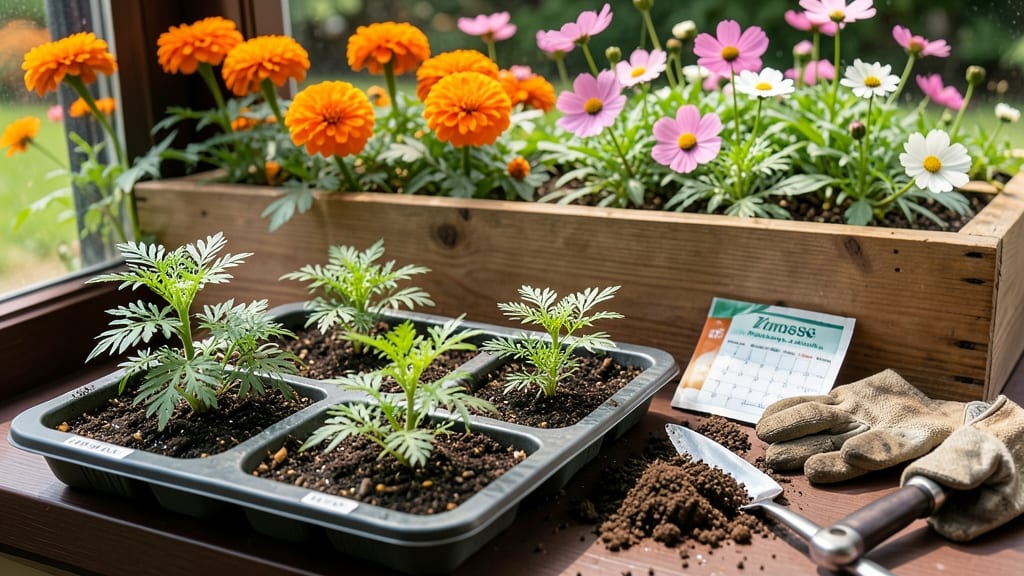
Planting your flower seeds 🌸 at the wrong time in Kansas could mean waiting months for blooms—or worse, losing them to frost before they even sprout.
The difference between a vibrant garden and a failed attempt often comes down to knowing exactly when to plant, which varies by region and flower type.
With Kansas' USDA zones 5b-7a and unpredictable weather, timing is everything. Whether you're dreaming of cosmos, black-eyed Susans, or coneflowers, getting the planting window right ensures your seeds thrive from late March through early May or August to early September.
I'll break down the critical frost dates by county, show you which flowers grow best in your area, and share pro tips to extend your season without risking frost damage. No more guessing—just confident planting that leads to a garden bursting with color.
Let's dive into the exact moments to plant so your Kansas garden becomes the talk of the neighborhood this spring and fall.
Kansas frost dates by region: the critical timeline for planting flower seeds
Understanding Kansas frost dates is your first step to successful flower seed planting. The state’s USDA Zones 5b-7a create distinct planting windows, with eastern Kansas generally warming up earlier than western regions.
Missing these dates can leave your seeds vulnerable to late spring frosts or fall freezes, stunting growth or killing tender seedlings.
For annual flowers, timing matters most—plant too early, and frost will nip delicate sprouts. Too late, and your blooms may arrive too late for peak enjoyment. Perennials and cold-hardy flowers offer more flexibility, but even they benefit from strategic planting aligned with your region’s frost-free period.
Here’s the critical timeline for Kansas, broken down by region. Use these dates as your guide, but always check local weather forecasts for real-time adjustments. A sudden cold snap can shift your planting window by weeks!
| Region | Avg. Last Frost | Spring Planting Window | Avg. First Frost | Fall Planting Window | Notes |
|---|---|---|---|---|---|
| Northeast (e.g., Atchison, Leavenworth) | April 5-15 | Late March - Early May | October 10-20 | August 15 - September 10 | Earliest frost-free zone; ideal for early bloomers. |
| East Central (e.g., Topeka, Lawrence) | April 10-20 | Early April - Mid-May | October 15-25 | August 1 - September 15 | Moderate climate; great for heat-loving annuals. |
| Southeast (e.g., Pittsburg, Chanute) | March 25 - April 5 | Mid-March - Early May | October 20 - November 5 | July 20 - September 20 | Longest growing season; perfect for tropical flowers. |
| West Central (e.g., Salina, Hays) | April 15-25 | Late April - Early June | October 5-15 | August 10 - September 5 | Drier climate; prioritize drought-tolerant varieties. |
| Southwest (e.g., Dodge City, Garden City) | April 20 - May 5 | Late April - Mid-June | September 20 - October 10 | July 15 - August 20 | Shortest season; focus on fast-growing annuals. |
In eastern Kansas, where USDA Zone 6-7a dominates, you can start cool-season flowers like pansies or snapdragons as early as late February under row covers. By mid-April, the risk of frost drops significantly, making it safe to plant warm-season favorites like zinnias or marigolds directly into the soil.
Western Kansas, with its Zone 5b-6a classification, plays by a stricter schedule. Wait until mid-to-late April for most seeds, and consider starting heat-loving annuals indoors in March. Fall planting here must end by early September to ensure blooms mature before the first frost hits in mid-October.
For perennials, like coneflowers or black-eyed Susans, you can push the envelope slightly. These cold-hardy flowers tolerate light frosts and can even be planted in early spring or late fall. However, avoid planting tender annuals like cosmos or sunflowers until after your region’s last frost date.
Pro tip: Use soil thermometers to confirm soil temperatures are above 50°F (10°C) before planting. Cold soil slows germination, and your seeds may rot instead of sprout. Pair this with a local frost calendar from the Kansas State University Extension for hyper
Best flower seeds to plant in Kansas by season: matching varieties to your climate
Kansas' variable climate demands smart flower seed choices. The right seasonal varieties ensure vibrant blooms from spring through fall, even with USDA zones 5b-7a. I've tested these top-performing flowers in my Kansas garden—each thrives in our hot summers and cool nights.
For spring planting, focus on cold-tolerant annuals that handle late frosts. In summer, heat-loving varieties shine, while fall options need frost resistance. Let's match your planting timeline with the perfect flowers for each season.
🌱 Seasonal Planting Guide for Kansas
- 🌸 Spring (March-May): Plant cosmos and zinnias after last frost (mid-April). These handle 50°F soil and bloom fast.
- ☀️ Summer (June-August): Try black-eyed Susans and cone flowers—both thrive in 90°F+ heat and drought conditions.
- 🍂 Fall (August-September): Choose marigolds and snapdragons for late blooms before first frost (mid-October).
- ❄️ Winter Prep: Perennials like bee balm and Russian sage survive Kansas winters with mulch protection.
My go-to spring flowers include cosmos—they self-seed easily and attract pollinators. For summer heat, zinnias and sunflowers handle Kansas' 100°F days with ease. In fall, marigolds deter pests while adding color.
For drought-tolerant options, lupine and salvia thrive in Kansas' low-rainfall summers. These perennials return yearly with minimal water once established. I've seen them bloom even in 30°F nights!
Pro tip: Direct-sow seeds in spring for faster blooms—no need for indoor starts unless you're pushing early spring. For fall planting, use row covers to extend the season by 2-3 weeks. My late-September marigolds still bloomed in 40°F temps!
Remember, soil prep matters. Amend with compost before planting—Kansas' clay-heavy soil drains poorly when dry. A well-draining mix keeps roots happy, especially for heat-loving annuals.