
Flowers
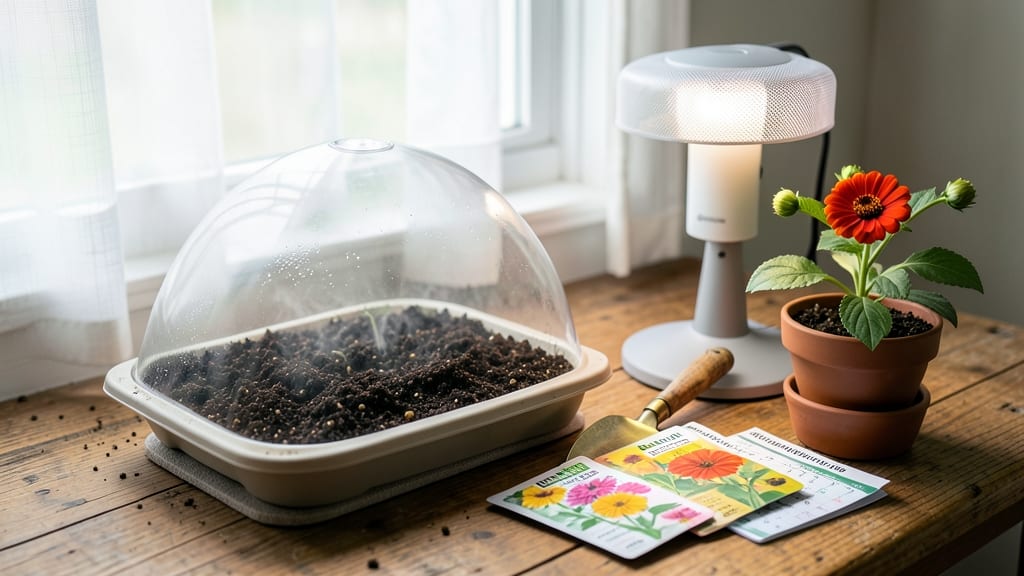
Timing when to plant flower seeds in Wisconsin just right means the difference between a garden bursting with color and a sad, frost-bitten disappointment. The USDA Zone 4b-6a climate throws curveballs with its unpredictable frosts, so knowing when to plant—whether in March or September—is the key to success.
I’ve learned the hard way that skipping the frost date research leads to wasted seeds and missed blooms. But with the right schedule, you can enjoy vibrant annuals from June to October and hardy perennials that return year after year.
Let’s break down the best planting windows so your Wisconsin garden thrives.
From starting tender seeds indoors in February to direct-sowing cold-resistant varieties in May, every step matters. We’ll cover how to adjust for your specific region—whether you’re in Milwaukee or the Northwoods—and which flowers handle Wisconsin’s short growing season best.
Ready to turn your garden into a showstopper? I’ll show you exactly when to plant, what to watch for, and how to stretch your blooming season—so you can enjoy those 🌸 moments all summer long.
Wisconsin flower seed planting calendar by month: frost dates and ideal windows
Wisconsin’s USDA Zone 4 climate demands precise timing for flower seed planting. With last frost dates ranging from mid-April in southern regions to early May in the north, knowing when to start seeds indoors or sow directly outdoors is key.
My garden thrives when I follow these seasonal windows—adjusting for cold-hardy annuals like cosmos versus tender varieties like petunias.
Northern Wisconsin (e.g., Green Bay, Eau Claire) faces later frosts, while southern areas (e.g., Madison, Milwaukee) enjoy a 2-3 week earlier start.
I always check the National Weather Service for local frost predictions, but these general guidelines work for most of the state. Perennials and bulbs have different rules—plant them early in spring or fall for best root establishment.
| Month | Plant Type | Action | Notes |
|---|---|---|---|
| February | Cold-Hardy Annuals | Start indoors | Cosmos, snapdragons, larkspur |
| March | Perennials/Bulbs | Direct sow or transplant | Peonies, coneflowers, tulip bulbs |
| April | Tender Annuals | Wait for last frost | Petunias, marigolds, zinnias |
| May | All Annuals | Direct sow after frost | Sunflowers, nasturtiums, basil |
| June | Succession Planting | Sow every 2 weeks | Beans, cosmos, alyssum |
| August | Fall-Blooming | Direct sow hardy types | Sweet alyssum, calendula |
| September | Perennials/Bulbs | Plant for spring blooms | Daffodils, crocus, asters |
For spring planting, I start with cold-hardy annuals like cosmos and snapdragons indoors in February. These can handle Wisconsin’s cool soils and even light frosts.
By March, I’m transplanting perennials and bulbs like peonies and tulips, which need time to establish roots before summer heat arrives. Tender annuals like petunias wait until after the last frost—typically late April in southern WI and early May in the north.
Summer planting focuses on succession sowing every 2 weeks for continuous blooms. Cosmos and sunflowers thrive when directly sown in June, while heat-tolerant varieties like zinnias can handle July’s warmth.
I always keep a garden journal to track local frost dates—last year’s late May freeze caught me off guard with my petunia seedlings!
Fall offers a second chance for cold-hardy annuals like sweet alyssum and calendula. These can be sown in August for late-summer color or September for spring blooms. Perennial bulbs like daffodils and crocus go in the ground by late September to naturalize and multiply.
I mark these planting spots with garden flags to avoid disturbing them next spring.
Wisconsin’s first frost typically arrives in mid-October, but tender plants like basil and geraniums need to be harvested or potted up by September. I always mulch perennials with straw to protect roots from winter’s chill.
For overwintering bulbs, I add an extra layer of mulch in northern regions where frosts linger longer.
Regional adjustments matter: Northern WI gardeners should delay tender annuals by 1-2 weeks, while Southern WI can push the season slightly earlier. I’ve found that microclimates near lakes or buildings can extend the growing season by 10-14 days—perfect for protecting late bloomers like dahlias with frost cloth.
Pro tip: Use biodegradable seed starters for early sowings—they eliminate transplant shock and save time. I also soak seeds overnight for faster germination, especially in Wisconsin’s cool, damp springs. With this calendar, my garden bursts with color from May through October, proving that timing is everything in Zone 4!
Top 10 cold-hardy flowers for Wisconsin gardeners: best seeds to plant early
Wisconsin’s USDA Zone 4 climate demands flowers that can handle late frosts and cool springs. These 10 cold-hardy flowers thrive in your garden, offering vibrant blooms even when temperatures dip.
Whether you’re a beginner or seasoned gardener, these early sowing options will give you a head start on your flower beds.
For successful seed starting, focus on varieties that tolerate 40°F soil temperatures and light frosts. These flowers not only survive Wisconsin’s unpredictable weather but also attract pollinators and add long-lasting color to your landscape. Let’s dive into the best cold-hardy seeds to plant early in your garden.
When to Plant Flower Seeds in Wisconsin
- 1
- 2
- 3
- 4
- 5
Cosmos is a top pick for Wisconsin gardens—its drought tolerance and self-seeding habits make it low-maintenance. Plant seeds ½ inch deep after last frost, spacing them 12-18 inches apart. These sun-loving flowers bloom from summer to frost and attract butterflies.
Black-eyed Susans (Rudbeckia) are perennial powerhouses that thrive in Zone 4. Sow seeds ¼ inch deep in early spring or fall, spacing them 12-18 inches apart. Their golden blooms last from mid-summer to frost, providing late-season color.
For early blooms, try snapdragons. These cool-weather lovers tolerate light frosts and bloom 6-8 weeks after sowing. Plant seeds ¼ inch deep in late spring (after frost) with 12-inch spacingvertical growth adds height to borders.
Marigolds are another Wisconsin staple—their pest-repelling properties protect other plants. Direct-sow seeds ½ inch deep after last frost, spacing them 8-12 inches apart. These sun-worshippers bloom summer to fall and thrive in poor soil.
Don’t overlook lupines, which fix nitrogen in the soil while adding vibrant purple blooms. Plant seeds ½ inch deep in early spring or fall, spacing them 12-18 inches apart. Their drought tolerance makes them perfect for Wisconsin’s dry spells.
To maximize success, always harden off indoor starts before transplanting and mulch around plants to retain moisture and warmth. With these cold-hardy flowers, your Wisconsin garden will burst with color from spring to frost.