
Flowers
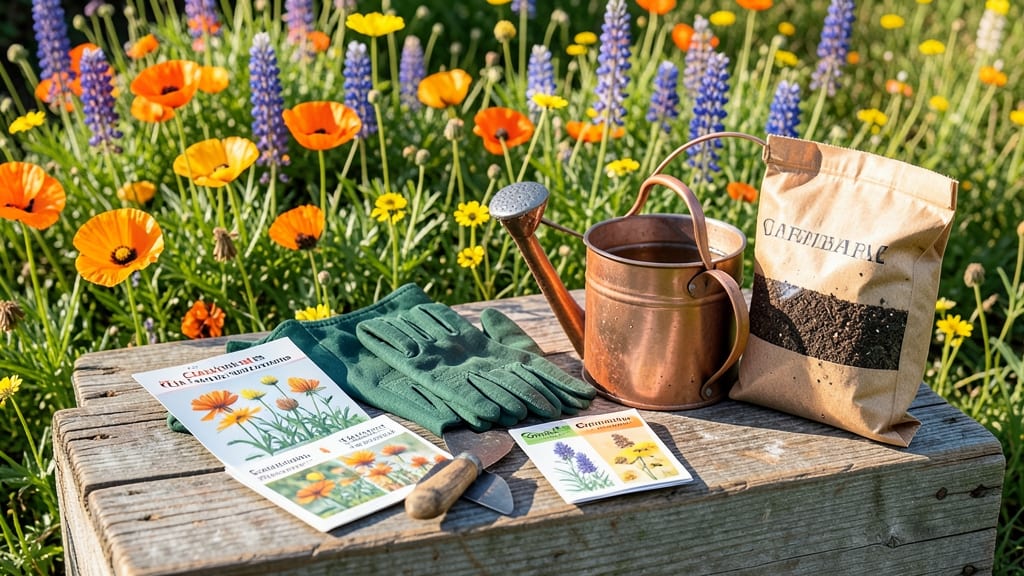
Timing your flower planting in California can feel like solving a puzzle—too early and frost zaps your blooms, too late and the heat wilts them before they even sprout.
The best window depends on whether you're in coastal fog, desert sun, or a valley where temperatures shift faster than a San Francisco summer.
I’ve grown flowers across California’s 9 USDA zones, and the difference between a thriving garden and a sad, half-dead one often comes down to planting in the right month.
For example, coastal regions like San Diego can tuck in spring bulbs as early as November, while inland valleys like Sacramento wait until March to avoid frost damage.
What you’ll discover here are the exact months to plant annuals, perennials, and bulbs for your specific microclimate—plus pro tips to extend your blooms well into fall. Whether you’re dreaming of lavender fields or poppy-covered hillsides, we’ll cover it all so your garden stays vibrant all season.
Ready to skip the guesswork? Let’s dive into the perfect planting calendar tailored to your corner of California, so you can enjoy bold blooms without the trial and error.
California flower planting calendar by climate zone: coastal vs desert vs valley
California’s 9 USDA hardiness zones create wildly different growing conditions—from coastal fog in San Francisco to desert heat in Palm Springs. Your planting timeline must match your microclimate to avoid frost damage or wilting.
Let’s break down the best months to plant flowers in each zone, including frost dates and ideal soil temperatures for blooms.
First, identify your zone: Coastal areas (Zones 8-10) rarely see frost, while inland valleys (Zones 6-7) have chilly winters. Desert regions (Zones 9-10) bake in summer but thrive with drought-tolerant flowers. Below, we’ll cover planting windows for annuals, perennials, and bulbs tailored to your area’s unique climate.
🌱
| Zone & Region | Last Frost Date | Best Planting Months | Ideal Soil Temp (°F) | Top Flowers to Plant |
|---|---|---|---|---|
| Coastal (Zones 8-10) | None (mild winters) |
|
55-65°F |
|
| Desert (Zones 9-10) | None (hot year-round) |
|
70-80°F |
|
| Valley (Zones 6-7) | Mid-Nov to Feb |
|
60-70°F |
|
| Mountain (Zones 5-6) | Late May to Oct |
|
50-60°F |
|
In coastal zones (8-10), you can plant almost year-round, but focus on February-March for spring bloomers like petunias and September-October for fall favorites such as snapdragons. The mild winters allow cool-season flowers to thrive without frost risk, but soil temperature is key—wait until it reaches 55-65°F before sowing seeds.
For desert regions (9-10), avoid planting in summer heat (June-August), as even drought-tolerant flowers like desert marigolds struggle. Instead, plant in fall (September-October) or winter (December-January) when temperatures drop slightly. Morning watering is critical to prevent evaporation.
Inland valley zones (6-7) have the strictest frost dates, so time your planting to avoid last-frost threats. For example, tulip bulbs should go in the ground by December, but zinnias (warm-season annuals) wait until March-April. Use row covers if late frosts linger into February.
🌿
Pro tip: Soil temperature matters more than air temperature. Use a soil thermometer to confirm readiness—most flowers need 60°F+ soil to germinate. In desert zones, mulch heavily to retain moisture, while coastal gardeners may need to water less frequently
Best annual and perennial flowers to plant by season in California
California’s seasonal diversity means your flower garden can bloom year-round with the right timing. Whether you're in frost-prone Northern California or drought-stricken Southern California, selecting the perfect flowers for each season ensures vibrant displays.
Let’s dive into my top picks for spring, summer, fall, and winter planting that thrive in your local climate.
For spring planting, focus on cool-season annuals and perennials that handle light frosts. Southern California’s mild winters allow drought-resistant varieties like lavender and California poppies to shine. Meanwhile, Northern California gardeners should prioritize cold-hardy bulbs like tulips and daffodils for early spring color.
| Season | Best Flowers | Notes |
|---|---|---|
| Spring | Tulips, Snapdragons, Sweet Peas, Pansies, Lavender | Plant bulbs in Northern CA after last frost (Feb-Mar). Southern CA: Start seeds indoors in Jan. |
| Summer | Marigolds, Zinnias, Petunias, Geraniums, Sunflowers | Heat-loving annuals thrive in full sun. Water deeply 2-3x/week in Southern CA. |
| Fall | California Poppies, Aster, Chrysanthemums, Dahlia, Salvia | Plant drought-tolerant perennials in Oct-Nov for winter color. Northern CA: Add mulch for frost protection. |
| Winter | Pansies, Sweet Alyssum, Calendula, Snapdragons, Winter Jasmine | Choose frost-resistant annuals for cooler zones. Southern CA: Plant in Dec-Jan for spring blooms. |
Summer is the perfect time for heat-loving annuals like zinnias and marigolds, which thrive in Southern California’s intense sun. In Northern California, opt for self-watering containers to protect delicate blooms from afternoon heat. Succession planting every 2-3 weeks ensures continuous color through September.
Fall planting in California is all about preparing for winter. Drought-resistant perennials like California poppies and salvia require minimal water once established, making them ideal for Southern California gardens.
In cooler microclimates, add a thick mulch layer to protect roots from light frosts that can occur as early as November.
Don’t overlook winter bloomers like pansies and sweet alyssum, which add color to grey days and tolerate light frosts. These cool-season annuals are perfect for Northern California gardens, while Southern California gardeners can plant them in December for early spring displays.
Always choose frost-hardy varieties to avoid winter damage.
For year-round success, match your flower choices to your local microclimate. Southern California’s desert regions (Zone 10) can grow tropical flowers like hibiscus, while coastal areas (Zone 7-9) benefit from moisture-loving perennials like iris. Experiment with seasonal succession to keep your garden blooming continuously!