
Flowers
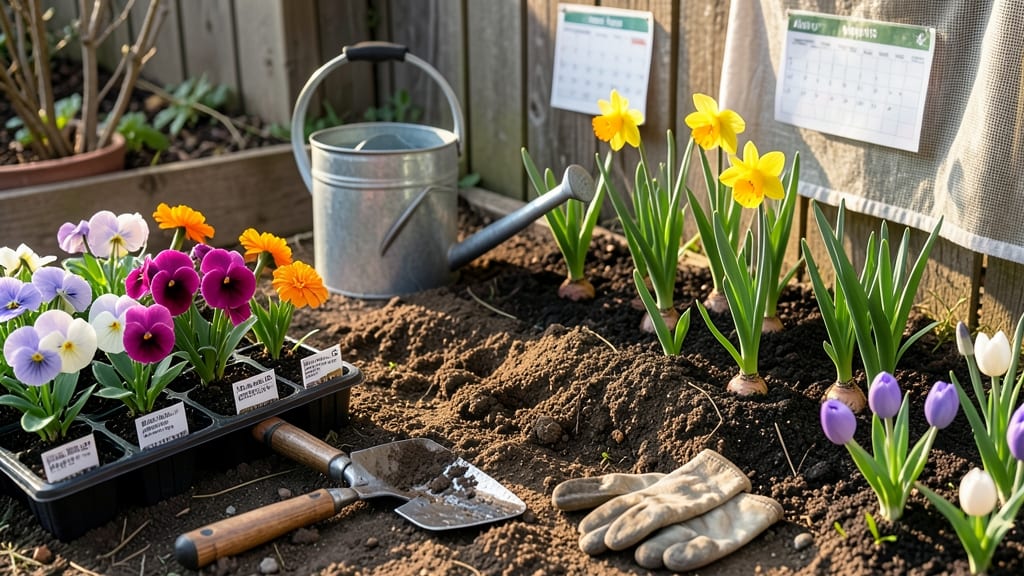
Timing your spring flower planting can make the difference between a garden bursting with vibrant 🌸 blooms and one that fizzles before it even starts.
The perfect moment to plant flowers depends on your local last frost date—something that varies wildly from Zone 6a to coastal regions where frost is rare.
You might think warmer weather is always better, but planting too early can shock tender roots when nighttime temperatures dip unexpectedly. The key is waiting until the soil warms to at least 50°F and all frost risk has passed—usually between April and May in most areas.
In this guide, I’ll break down exactly when to plant different flower types, from cool-loving annuals like pansies to heat-seeking sunflowers. You’ll also learn how to prep your soil, space plants properly, and avoid common mistakes that kill seedlings before they bloom.
Whether you’re a seasoned gardener or just starting, these tips will help you time your planting perfectly for a showstopping spring display. Let’s get those seeds in the ground at the right moment!
How to find your last frost date by USDA planting Zone
Knowing your last frost date is the foundation of successful spring flower planting. This critical date marks when nighttime temperatures reliably stay above 32°F (0°C), signaling it's safe to plant frost-sensitive flowers like petunias or geraniums.
Without this info, you risk frost damage or stunted growth—even with the most beautiful annual blooms. Let's break down how to find your exact date using USDA zone maps and trusted tools.
First, locate your USDA Planting Zone using the official USDA map. Simply enter your ZIP code to reveal your zone (e.g., Zone 6a or Zone 8b). Each zone has a historical average for last frost dates, but these are just starting points.
For example, Zone 5 typically sees last frost around May 15, while Zone 9 may only experience frost in December or not at all.
While USDA zones provide a general guideline, your local microclimate can shift planting dates by 2-4 weeks. Factors like elevation, water bodies, or urban heat islands create warmer or cooler pockets.
For instance, a south-facing slope might warm up 1-2 weeks earlier than the zone average, while a valley could hold frost longer. Always adjust your planting timeline based on your specific yard conditions.
For precision, use the Old Farmer’s Almanac frost calculator (link here) or the NOAA Climate Data Portal. These tools analyze 30+ years of local weather data to provide your historical last frost date—plus a 10-year average for extra accuracy.
I recommend checking both sources, as they sometimes vary by 5-7 days due to different data sets.
Here’s a pro tip: Track your own frost dates for at least 3 years to create a custom planting calendar. Simply place frost-sensitive plants (like tomatoes) outdoors at night in early spring and note the last date they survive.
This personal data becomes your most reliable guide over time.
Another essential tool is the 32°F soil thermometer. While air temperature drops below freezing, soil often stays 5-10°F warmer. Plant when your soil reaches at least 50°F—this ensures roots won’t shock and seeds will germinate properly.
I test soil temp in the morning (after overnight cooling) for the most accurate reading.
Don’t forget to account for heat waves after your last frost. Some years, a sudden 90°F spike can stress newly planted cool-season flowers like pansies. If your area experiences these shifts, delay planting by 1-2 weeks or use shade cloth to protect tender seedlings.
Once you’ve pinpointed your last frost date, add 2-4 weeks to determine when to plant warm-season flowers like marigolds or zinnias. This buffer ensures seedlings have time to establish roots before summer heat arrives.
For cool-season blooms (e.g., calendulas, stock), you can plant 4-6 weeks before your last frost for early spring color.
Remember: Frost dates shift yearly due to climate change. I recommend updating your records annually and checking NOAA’s Climate Normals for the latest adjustments. By combining zone averages, microclimate data, and personal observations, you’ll create a planting schedule that guarantees vibrant, healthy flowers every season.
Best flowers to plant by last frost date timeline
Timing your flower planting around your last frost date is the secret to a show-stopping garden. Some flowers thrive in cool spring air, while others need warmth to germinate. I’ve broken down the perfect planting windows for three key categories: cool-season bloomers, warm-season favorites, and heat-tolerant stars.
Each has its own ideal window after frost—don’t miss these deadlines!
First, confirm your last frost date (check the Old Farmer’s Almanac for your zone). Then, use this timeline to plant flowers when they’ll flourish. For example, pansies can handle light frosts, while zinnias need soil to warm up.
Let’s dive into the exact weeks to plant after frost for each type.
- 1 1–2 weeks after last frost: Plant cool-season flowers like pansies, snapdragons, and calendula. These handle 40–50°F soil and even light frosts. Ideal for Zone 3–7.
- 2 2–3 weeks after last frost: Sow warm-season blooms like marigolds, zinnias, and cosmos once soil hits 55–60°F. Wait until nighttime temps stay above 50°F to avoid shock.
- 3 4–6 weeks after last frost: Introduce heat-tolerant varieties like lantana, salvia, and portulaca. These thrive in 70°F+ soil and full sun, perfect for Zones 8–11 or late spring plantings.
- 4 6+ weeks after last frost: Transplant tender perennials like dahlias or canas once soil is 65°F+. These need time to establish roots before summer heat hits.
Pro tip: Use row covers to extend the season for cool-loving flowers in Zones 4–5. For warm-season plants, start seeds indoors 6–8 weeks before your last frost date to get a head start.
For example, I plant marigolds indoors in March for my Zone 6a garden, ensuring they’re ready by late May.
Miss the window? No problem! Some flowers, like cosmos and sunflowers, self-sow and pop up unexpectedly. But for annuals like zinnias, timing matters—plant too late, and you’ll miss summer blooms. Always check seed packets for days to maturity to plan backward from your first fall frost.
Finally, monitor your garden’s microclimate. A sunny south-facing bed warms up faster than a shady spot, so adjust your timing accordingly. For instance, my shady garden nook stays cooler, so I plant impatiens a week later than my sunny borders.
Pay attention to these cues, and your garden will reward you with nonstop color all season!