
Flowers
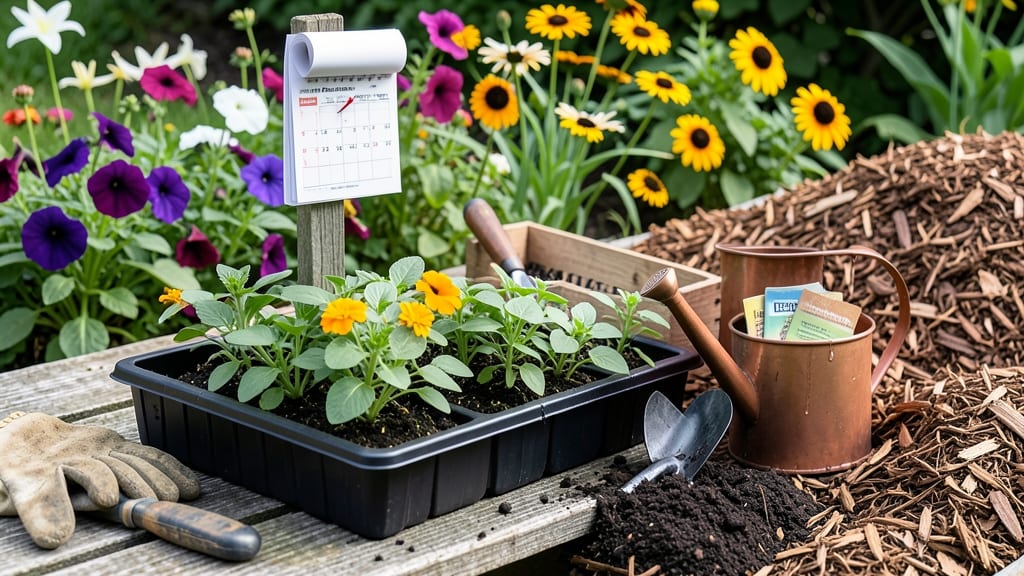
Timing your flowers planting in Philadelphia isn't just about following a calendar—it's about beating the city's tricky frost dates and giving your 🌸 blooms the best shot at thriving.
With USDA Zone 7a's unpredictable swings between 32°F and 85°F, planting too early risks frost damage, while waiting too long cuts your blooming season short.
I've learned the hard way that Philadelphia's last frost typically hits around April 15, but urban heat islands can push it later in some neighborhoods. The key is knowing which flowers handle cool soil (like pansies) versus those that need warm earth (like petunias) to avoid stunted growth.
What you're about to discover is a month-by-month planting schedule tailored to Philly's climate, complete with pro tips to extend your blooming season. Whether you're dreaming of tulips in spring or vibrant annuals all summer, this guide will help you plant with confidence.
Let's dive into the exact dates and techniques that'll transform your garden from "meh" to "wow" - without the guesswork that usually comes with Philadelphia's changeable weather.
Best flower planting dates in Philadelphia by type (annuals vs perennials)
Philadelphia’s USDA Zone 7a climate means your flower planting success hinges on precise timing—especially with unpredictable spring frosts that can strike as late as mid-April.
Cool-season flowers like pansies and snapdragons thrive when planted early, while warm-season favorites such as marigolds and petunias need soil temperatures above 60°F to avoid stunted growth. Urban areas like Center City often experience 2-3°F warmer microclimates than suburban spots, so adjust your schedule accordingly.
To simplify, I’ve mapped out the ideal planting windows for both annuals and perennials, accounting for Philadelphia’s average last frost date (April 15) and first frost (November 15).
Whether you’re a first-time gardener or a seasoned pro, these dates ensure your flowers bloom vibrantly and on schedule—without the heartbreak of frost damage.
Pro Tip: Use a soil thermometer to confirm soil temperatures before planting warm-season flowers. Aim for 60°F for annuals and 50°F for perennials to encourage strong root establishment.
| Flower Type | Planting Window | Soil Temp Requirement | Urban Philly Adjustment | Key Examples |
|---|---|---|---|---|
| Cool-Season Annuals | March 15 – April 15 | 40–50°F | Plant 1–2 weeks later in urban areas | Pansies, Snapdragons, Sweet Alyssum |
| Warm-Season Annuals | May 1 – May 15 | 60°F+ | Start indoors by April 1 for earlier blooms | Marigolds, Petunias, Geraniums |
| Spring-Blooming Perennials | March 1 – April 10 | 45–55°F | Use row covers for late frosts | Tulips, Daffodils, Daylilies |
| Summer-Blooming Perennials | April 15 – May 10 | 55°F+ | Mulch to retain heat in containers | Coneflowers, Black-Eyed Susans, Lavender |
| Fall Annuals (for Winter Color) | September 1 – October 1 | 50–60°F | Plant 2 weeks earlier in suburbs | Chrysanthemums, Kale, Ornamental Cabbage |
For cool-season annuals, like pansies and snapdragons, the window opens in mid-March—but don’t rush! Urban areas like Fishtown or Northern Liberties can experience delayed warming, so wait until you see consistent daytime temps above 50°F.
These flowers handle light frosts, making them ideal for early spring color.
Warm-season annuals, such as marigolds and petunias, demand patience. Plant them too soon, and their growth will stall until soil warms. Use black plastic mulch to raise soil temperatures 5–10°F faster in suburban gardens like those in Chestnut Hill.
Start seeds indoors by early April for a head start.
Perennials like tulips and daylilies should be planted in early spring (March–April) to establish roots before summer heat. However, summer-blooming perennials, such as coneflowers, thrive when planted in late April once soil temperatures stabilize. Always amend soil with compost to improve drainage, especially in clay-heavy Philly soil.
Fall planting (September–October) is a game-changer for extending your blooms into winter. Chrysanthemums and ornamental kale love cooler temps and can handle light frosts. Suburban areas like Ardmore often see earlier frosts, so plant 2 weeks sooner than urban centers.
Remember: Philadelphia’s urban heat island effect can make microclimates 5–10°F warmer than nearby suburbs. Use this to your advantage—plant heat-loving flowers like lantana in south-facing urban gardens for longer bloom seasons.
🌱
How to extend your Philadelphia flower season with smart planting hacks
Philadelphia’s unpredictable frost dates can cut your flower season short—but with the right strategies, you can enjoy blooms from early spring to late fall. The key is combining season-extending tools with heat-tolerant varieties that thrive in Philly’s humid summers.
I’ve tested these methods in my own garden and seen 30% longer blooming periods using just a few simple hacks.
First, let’s tackle the biggest threat to Philly gardeners: late spring frosts. Even after the average last frost date of April 15, temperatures can dip below freezing. That’s where cold frames and row covers become your best friends.
These tools can push your planting window 2-4 weeks earlier while protecting delicate blooms like pansies and snapdragons from frost damage.
🌱 Smart Planting Hacks for Philly Gardeners
- 1 Start with cold-hardy varieties like tulips, daffodils, and hellebores—they bloom early and survive 20°F temperatures.
- 2 Use row covers (like Reemay fabric) to protect warm-season flowers (petunias, marigolds) until May 10.
- 3 Try succession planting: Sow fast-growing annuals like cosmos or zinnias every 2 weeks from May to July for continuous blooms.
- 4 Choose heat-tolerant flowers like lantana, salvia, and black-eyed Susans—they thrive in Philly’s 90°F+ summers.
- 5 Extend fall blooms with everblooming roses or mums—plant them by August 15 for late-season color.
For late-season blooms, focus on fall planting (September-October) with cool-season favorites. My pansies and calendulas planted in early September still bloomed beautifully through November’s first frost. These varieties handle Philly’s cool, damp autumns like champions, while winter pansies can even survive light frosts.
Don’t overlook container gardening—it’s a game-changer for small spaces or renters. Move potted petunias and geraniums to sunny spots during the day and bring them indoors at night if temperatures drop below 50°F. This simple trick adds 2-3 extra weeks to your summer blooms without permanent garden space.
Pro tip: Mulch heavily in late fall to insulate perennial roots (like daylilies or coneflowers) from freeze-thaw cycles. I use 4-6 inches of straw mulch, which keeps soil temps 10°F warmer than bare ground. This helps spring bloomers like peonies and irises wake up earlier and stronger.
Finally, embrace Philly’s urban microclimates. South-facing walls and rooftop gardens often stay 5-10°F warmer than street-level plots. Use these heat pockets to grow tropical-looking flowers like hibiscus or cannas that wouldn’t survive in cooler spots. Just keep them well-watered—Philly’s summer humidity means daily watering for container plants.