
Flowers
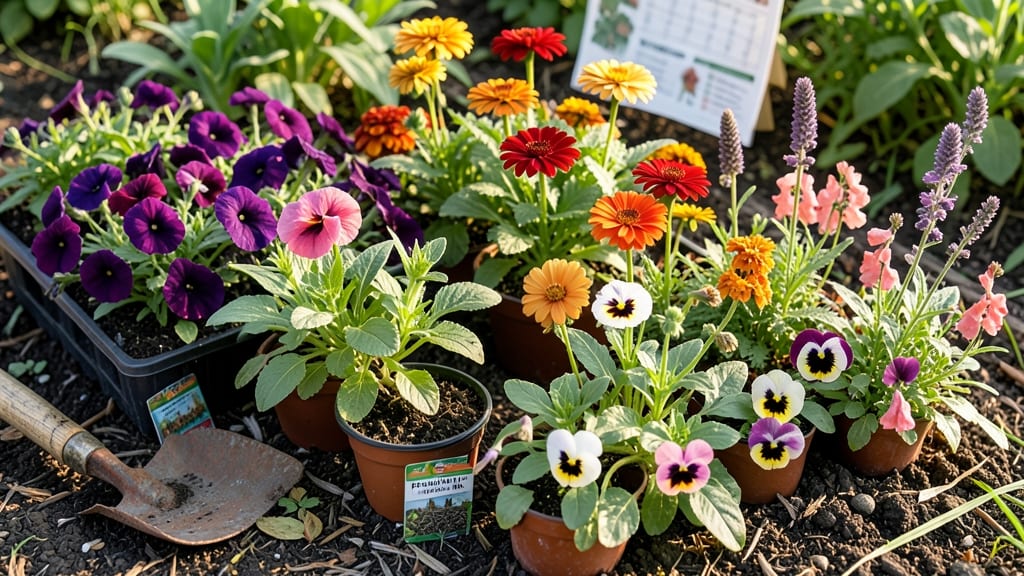
Planting flowers in Zone 7 at the wrong time can mean the difference between a vibrant garden and a sad, half-hearted attempt at blooms. The key isn’t just when you plant—it’s understanding how Zone 7’s unpredictable frost dates and shifting temperatures play into your success.
If you’ve ever watched your 🌸 flowers struggle to take root or bloom too late, you’re not alone. Zone 7’s average last frost can swing from mid-March to mid-April, and a misstep means waiting weeks (or even months) for the color you’re craving.
But here’s the good news: with a clear month-by-month schedule, you can time your plantings to outsmart frost and heat waves.
In this guide, I’ll break down the exact windows for planting annuals, perennials, and bulbs—so you know whether to dig in by March or wait until May. We’ll also cover how to adjust for your specific microclimate, whether you’re dealing with late-spring freezes or urban heat islands.
Ready to transform your garden into a year-round showstopper? Let’s get started with the perfect timing for every type of flower in your Zone 7 yard.
Zone 7 flower planting calendar: best months for annuals, perennials, and bulbs
Mastering the Zone 7 planting schedule means aligning your flower varieties with nature's rhythm. In this zone, your last frost date typically falls between March 15–April 15, while the first frost arrives around November 1–15.
This 180-day frost-free window is your golden opportunity for vibrant blooms—if you plant at the right time.
Cool-season annuals and perennials like pansies and snapdragons thrive when planted 4–6 weeks before last frost, while heat-loving annuals such as zinnias and marigolds wait until soil reaches 60°F+. Bulbs have their own timeline—plant them in fall (September–October) for spring color or early spring (March) for summer blooms.
| Month | Plant Type | Best Flowers | Soil Temp | Notes |
|---|---|---|---|---|
| February | Cool-Season Bulbs | Tulips, Daffodils | 40–50°F | Plant in late February for spring blooms |
| March | Cool-Season Annuals | Pansies, Snapdragons | 45–55°F | Start seeds indoors or direct sow after March 15 |
| April | Heat-Tolerant Annuals | Marigolds, Zinnias | 60°F+ | Wait until soil warms and frost risk passes |
| May | Perennials & Bulbs | Coneflowers, Daylilies | 55–65°F | Transplant perennials after last frost |
| September | Fall Bulbs & Annuals | Crocus, Calendula | 50–60°F | Plant 6–8 weeks before frost for spring blooms |
| October | Cool-Season Prep | Sweet Alyssum | 40–50°F | Sow hardy annuals for winter color |
For spring planting, focus on March–May when soil temperatures rise. Start with cool-season flowers like pansies in March, then transition to heat-loving varieties such as zinnias in April–May. Use a soil thermometer to confirm readiness—most seeds need 60°F+ soil to germinate reliably.
Fall planting in September–October gives you a head start on spring blooms from bulbs like tulips and daffodils. These hardy perennials store energy underground during winter, then burst into color as soon as soil warms in spring.
For annuals, opt for sweet alyssum or calendula, which thrive in cooler fall temperatures.
Pro tip: Use row covers to extend your spring planting window by 2–4 weeks. These lightweight fabrics protect tender seedlings from late frosts while allowing sunlight and water to pass through. Remove covers when daytime temperatures consistently stay above 50°F to prevent overheating.
Don’t
How to adjust planting times for Zone 7’s microclimates and frost risks
Zone 7’s diverse microclimates can throw off even the best-laid planting plans. A valley might be 10°F warmer than a hillside just miles away, while urban areas trap heat that delays frost.
These variations mean your pansies could thrive where a neighbor’s petunias freeze overnight. Understanding these differences is key to extending your planting window for delicate flowers.
High-altitude gardens in Zone 7 often experience late-spring frosts even after the average last frost date. Meanwhile, urban heat islands can push soil temperatures 5–10°F higher than rural areas, allowing early planting of heat-loving marigolds or zinnias.
Without adjustments, you risk planting too early in cold pockets or too late in warm microclimates, both of which can stunt growth or invite pests.
⚠️ callout warning ⚠️
Even in Zone 7, late frosts can strike until mid-April in high-altitude areas. Use a soil thermometer to confirm temperatures—50°F for cool-season flowers (like pansies) and 60°F+ for warm-season blooms (like geraniums). A 5-day forecast for frost-free conditions is non-negotiable for seedlings.
🌡️ Pro Tip: Check your local Cooperative Extension Service for hyper-local frost alerts. Their data often reveals 3–5°F variations from official Zone 7 averages.
For high-altitude gardens, delay planting heat-sensitive flowers like begonias or impatiens until after May 15, even if your neighbor in the valley starts in April. Use row covers or cold frames to create a 5–10°F warmer microclimate around seedlings.
In urban areas, take advantage of the earlier soil warming by planting warm-season annuals like cosmos or sunflowers as early as mid-March if nighttime temps stay above 40°F.
Cold frames are my go-to for extending the season. A simple Plexiglas box over seedlings can raise soil temps by 10–15°F on sunny days, letting you plant marigolds or nasturtiums 3–4 weeks earlier in spring.
For late-spring frosts, a lightweight row cover (like Agribon) draped over plants at night can protect delicate blooms down to 25°F. I’ve even used old bedsheets in a pinch—just secure them tightly to avoid frost damage.
Soil temperature is the real game-changer. Most flower seeds need soil at 60–70°F to germinate, while bulbs like tulips or daffodils prefer 50–55°F. Invest in a $15 soil thermometer—it’s the difference between weeks of waiting and instant germination.
In my garden, I’ve seen zinnia seeds sprout in 3 days at 70°F but take 2 weeks at 60°F.
Don’t forget about fall planting! Many cool-season flowers (like calendula or stock) thrive when sown in late summer for fall blooms. Aim to plant 6–8 weeks before your first frost—typically late August to early September in Zone 7.
Use mulch to insulate roots and extend blooming into November. Last year, my pansies kept flowering until December 1 thanks to a 3-inch layer of straw mulch.
Adjusting for microclimates isn’t just about dates—it’s about observation and flexibility. Keep a gardening journal to track when your local frost occurs, soil warms, and flowers bloom. Over time, you’ll spot patterns (like your hillside frost pocket or urban heat island) and fine-tune your schedule.
With these tweaks, you’ll enjoy longer seasons, healthier blooms, and zero frost-related disappointments. 🌷