
Flowers
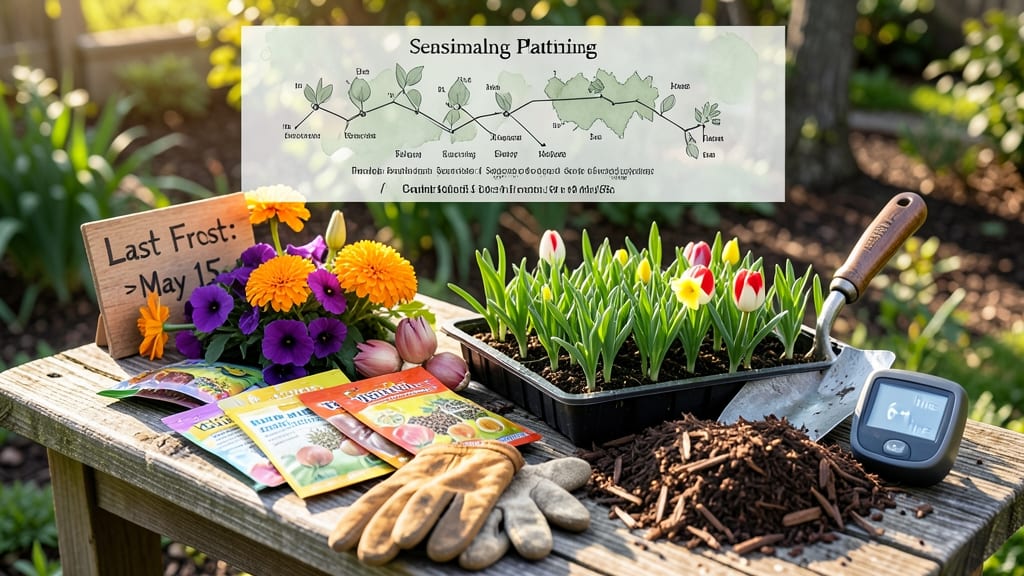
Knowing when to plant flowers in Chicago means the difference between a showstopping garden and a sad, frost-nipped disappointment. The last frost date around April 15 isn’t just a number—it’s your garden’s deadline for spring planting, and missing it can leave your blooms struggling to survive.
But here’s the secret: Chicago’s USDA Zone 6a climate gives you two prime planting windows—spring and fall—that work like bookends for year-round color.
Whether you’re sowing seeds indoors in March or prepping your garden beds for late summer blooms, knowing exactly when to plant ensures your flowers thrive, not just survive.
I’ll break down the exact timing for annuals, perennials, and bulbs, plus pro tips to stretch your season with mulch and row covers. By the end, you’ll know how to beat Chicago’s unpredictable weather and keep your garden bursting with color from April through October.
Ready to turn your garden into a blooming masterpiece? Let’s get started with the perfect planting schedule for your flowers.
Chicago’s frost dates: the exact windows for spring vs. fall flower planting
Chicago’s USDA Zone 5b/6a frost dates create a tight window for planting flowers, but timing correctly means the difference between vibrant blooms and frozen disappointment. The last spring frost typically arrives between April 15–May 1, while the first fall frost hits October 15–November 1.
These dates shift slightly each year, so always check local forecasts before planting.
Microclimates in Chicago—like urban heat islands and lake-effect zones—can push these dates by 1–2 weeks. For example, downtown areas may warm up faster than suburban neighborhoods.
Use the 10-day rule as a safety net: wait 10 days after your last frost date before planting tender annuals like marigolds or petunias.
Spring planting is your best bet for most flowers, but fall planting offers a second chance for perennials and hardy annuals. The key is understanding how frost affects root establishment—cool soil in fall helps perennials like coneflowers thrive, while spring’s warming soil speeds up growth for annuals.
Here’s how Chicago’s frost dates break down for safe planting windows, along with region-specific adjustments:
| Planting Window | Frost Date Range | Microclimate Adjustments | Best Flowers to Plant |
|---|---|---|---|
| Spring Planting | April 15–May 1 (last frost) | Urban areas: +3–5 days Lakefront: +7 days |
Pansies, Sweet Peas, Marigolds, Zinnias |
| Fall Planting | October 15–November 1 (first frost) | Suburban areas: –5 days North side: –7 days |
Mums, Snapdragons, Kale, Pansies |
| Early Spring (Indoors) | March 1–April 15 | All areas: Start seeds 6–8 weeks before last frost | Tomato Flowers, Basil, Coleus |
| Late Summer (Succession) | August 15–September 15 | Container gardens: +10 days for heat retention | Cosmos, Sunflowers, Nasturtiums |
For spring planting, start tender annuals indoors 6–8 weeks before your last frost date. Hardier perennials like black-eyed Susans can go directly into the soil 2–3 weeks before frost risk ends. Use row covers or cold frames to extend your window by 2–3 weeks in early spring.
Fall planting is ideal for cool-season flowers like pansies and snapdragons, which thrive in Chicago’s crisp air. Plant these 4–6 weeks before your first frost date to give roots time to establish. Mulch heavily with straw or leaves to insulate roots and prevent heaving during freeze-thaw cycles.
Chicago’s lake-effect microclimates near Lake Michigan can delay frost by up to 10 days. If you live near the lake, push your planting dates 1–2 weeks later in spring and earlier in fall. Conversely, inland areas may experience frost 1–2 weeks sooner, so adjust accordingly.
Pro tip: Use a frost calendar like the one from the Chicago Botanic Garden or set up a local weather station to track real-time frost predictions. Even a $20 digital thermometer buried in your garden bed can save your flowers from unexpected frost.
Remember, perennials planted in fall often outperform spring-planted varieties because they establish roots in cool soil. For annuals, stick to the 10-day rule after your last frost date to avoid transplant shock from sudden temperature swings.
By mastering these frost dates and microclimate adjustments, you’ll turn Chicago’s unpredictable climate into an advantage—longer bloom seasons and hardier plants all year round. 🌸
Best flowers to plant in Chicago by season: cold-hardy vs. tender varieties
Chicago’s short growing season demands smart flower choices—cold-hardy annuals for spring and frost-tolerant perennials for fall. The key is matching plant hardiness to Chicago’s USDA Zone 5b/6a and microclimates. Urban areas freeze faster than suburbs, so adjust timing by 1-2 weeks based on your location.
Spring plantings thrive when soil reaches 45°F—typically mid-April—while fall flowers need 6-8 weeks before first frost (early October). Mulching with 3-4 inches of straw extends root protection by 2-3 weeks, letting you push planting windows further.
🌱 Spring Stars: Pansies (Zone 3-11), sweet peas (Zone 2-9), and marigolds (Zone 1-12) handle light frosts down to 28°F. Plant 2-4 weeks before last frost (mid-March) for early blooms.
🍂 Fall Favorites: Mums (Zone 4-9), asters (Zone 3-8), and snapdragons (Zone 7-11) tolerate brief chills but need well-draining soil. Start seeds 8-10 weeks before frost (late July) for fall color.
When to Plant Flowers in Chicago
- ✅ 3-4 weeks before last frost (mid-March)
- ✅ Cold-hardy annuals (pansies, snapdragons)
- ✅ Mulch after planting (2-3 inches)
- ✅ 6-8 weeks before first frost (early October)
- ✅ Frost-tolerant perennials (mums, asters)
- ✅ Use row covers for late starts
- ❌ Tender annuals (petunias, geraniums) before May 1
- ❌ Bulbs after September 15 (no root growth)
- ❌ Over-mulching (can suffocate roots)
- 🌡️ Test soil temp with a thermometer
- 🌱 Start seeds indoors 6-8 weeks early
- 💧 Water deeply after transplanting
For extended seasons, try succession planting—sow marigolds every 2 weeks from May to July for continuous blooms. Black-eyed Susans (Zone 4-9) and coneflowers (Zone 3-9) are perennial workhorses that return yearly with minimal care.
Remember: Chicago’s wind can dry soil faster, so group plants by water needs. Use 3-inch mulch rings around tender stems to prevent root heaving during freeze-thaw cycles. With these strategies, your garden will bloom earlier in spring and later in fall—proving that timing beats luck every time.