
Flowers
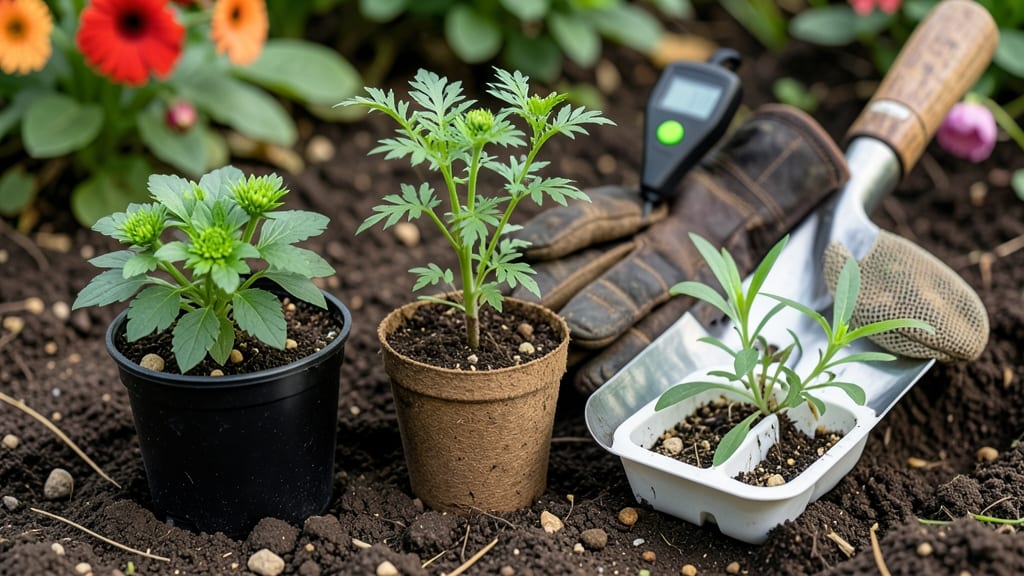
If you’ve ever watched your neighbors’ gardens burst into color while yours sits bare as the leaves fall, you’re not alone—when to plant fall flowers in Georgia is the real game-changer.
The secret to vibrant blooms that last until December isn’t just choosing the right varieties; it’s planting them at the perfect moment before frost sneaks in.
Georgia’s 7a-9a zones give gardeners a 6-week window—from late August to mid-October—to get fall flowers like chrysanthemums and pansies in the ground. Miss this window, and you risk weak roots or early frost damage.
But get it right, and you’ll enjoy bold, long-lasting blooms that turn your yard into a postcard-worthy scene.
I’ve tested what works in my own garden, and the key is knowing your county’s frost dates—North Georgia’s chill arrives earlier than the South’s. Whether you’re in Atlanta or Savannah, I’ll show you exactly when to plant, how to prep your soil, and which frost-resistant flowers will keep your garden stunning until winter.
Ready to transform your yard? Let’s dive into the county-specific dates, soil tricks, and care tips that’ll make your fall flowers the envy of the neighborhood—without the guesswork.
Georgia county-specific fall planting dates for frost-resistant flowers
Georgia’s diverse climate zones mean your fall planting window can vary dramatically between North Georgia’s cooler mountains and South Georgia’s warmer coastal plains.
To maximize blooms before frost, I’ve broken down the ideal planting dates by county group, focusing on cold-hardy annuals like chrysanthemums and perennials such as pansies that thrive in Georgia’s USDA Zones 7a-8b.
These dates align with local first frost averages, ensuring your flowers establish roots before winter sets in.
For North Georgia counties (e.g., Fannin, Gilmer, Hall, and Dawson), where first frost typically arrives mid-November, aim to plant 6-8 weeks before that date. In Central Georgia (e.g., Forsyth, Lamar, and Walton), you’ve got a slightly longer window—planting through early October works well.
Meanwhile, South Georgia counties (e.g., Thomas, Taylor, and Tift) can often push planting into mid-October thanks to their milder winters.
Here’s the key: Soil temperature matters just as much as air temperature. For frost-resistant flowers, soil should stay above 50°F (10°C) for root growth. Use a soil thermometer to check—if it’s cooler, wait a week or two.
Mulching with 2-3 inches of straw or shredded leaves after planting helps insulate roots and extend your blooms into December.
Now, let’s dive into the county-specific planting windows for your favorite fall flowers. This comparison table breaks down the ideal timing for North, Central, and South Georgia, along with the hardiest varieties to plant in each region.
Pro tip: Always check your local Extension Office for microclimate adjustments—urban areas can frost earlier than rural spots!