
Flowers
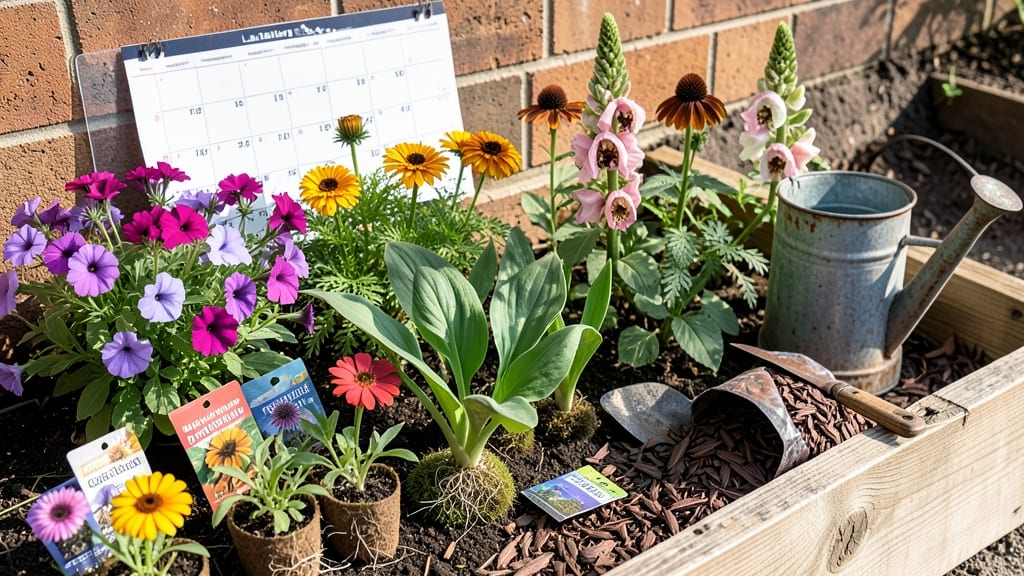
Planting your 🌸 flowers at the wrong time in New Jersey can turn your dream garden into a frost-killed disappointment—especially when last frost dates swing wildly from April 15 in the north to May 1 in the south.
The key to vibrant blooms lies in knowing exactly when to plant, whether you're sowing cool-season annuals or hardy perennials that thrive in USDA Zones 6a-7b.
I’ve spent years watching gardens flourish (and fail) in NJ’s unpredictable climate, and the difference always comes down to timing.
Skip the guesswork and plant at the perfect moment—whether it’s March for early bulbs, May for heat-loving perennials, or August for fall-blooming varieties—to avoid wasted effort and maximize your garden’s potential.
What if you could extend your planting window by just a few weeks? With the right strategies—like adjusting for microclimates, using row covers, or choosing fast-blooming varieties—you can push your garden’s limits without risking frost damage. Let’s break down the exact dates and techniques that work for your county.
From Atlantic County’s coastal breezes to Bergen’s urban heat pockets, every corner of NJ has unique frost risks.
I’ll show you how to read your local climate, prep your soil, and pick the best flowers for a zero-frost success—so you can enjoy blooms from spring through fall without the stress.
New Jersey county planting zones: exact dates for annual vs perennial flowers
New Jersey’s USDA Zones 6a-7b create dramatic differences in planting windows—just 10 miles inland can shift your last frost date by 2 weeks. Coastal areas like Atlantic County often see frost-free soil by April 1, while Passaic County may wait until May 10.
These variations mean your pansies might thrive in one county but freeze overnight in another.
To avoid costly mistakes, I’ve mapped out county-specific planting zones for both cool-season annuals (like snapdragons) and warm-season perennials (like coneflowers). The key?
Planting 4-6 weeks before your average last frost for annuals, and waiting until after the last frost for perennials—unless you’re using row covers to extend your window.
Here’s your county-by-county breakdown, including exact dates for spring vs. fall planting and heat-tolerant adjustments for southern NJ. Pro tip: Use the NJ State Climate Office’s frost data to fine-tune your timing each year.
For perennials like daylilies, wait until after your county’s last frost date—planting too early risks root rot in cold, wet soil. In Atlantic County, that’s mid-April, while Passaic County gardeners should hold off until early June for heat-loving varieties like Black-Eyed Susans.
My top 3 heat-tolerant perennials for southern NJ include Russian Sage (drought-proof), Coneflowers (pest-resistant), and Lavender (fragrant + low-maintenance). These thrive even when temperatures hit 90°F, making them perfect for Camden or Gloucester gardens where summer heat arrives early.
Don’t forget fall planting
How to adjust planting timing for New Jersey’s microclimates and frost risks
New Jersey’s diverse microclimates can throw off even the most experienced gardener. A rural field in Sussex County might frost over while a city sidewalk garden in Newark stays warm enough for early planting. Understanding these variations is key to avoiding late-spring cold snaps that can devastate tender seedlings.
I’ve seen cosmos bolt prematurely in heat pockets and pansies wilt from coastal winds—both preventable mistakes. The solution? Adjust your planting timeline based on three critical factors: urban vs. rural heat differences, wind exposure risks, and soil warming strategies.
Let’s break down how to extend your planting window safely.
Start by mapping your microclimate. Urban areas like Jersey City hold heat longer, allowing 2-3 weeks earlier planting of warm-season flowers like marigolds or zinnias. Conversely, coastal regions (e.g., Cape May) experience delayed warming due to ocean breezes—wait until May 10 for heat-lovers.
For wind-prone zones, create windbreaks with tall grasses or bamboo fencing to shield delicate annuals. In exposed areas, opt for sturdy perennials like black-eyed Susans or Russian sage, which tolerate gusts better than tall snapdragons.
A simple row cover can add 5-8°F protection during critical early growth stages.
Warm your soil faster with black plastic mulch or straw bales laid 2 weeks before planting. This raises soil temps by 10°F, letting you plant tomatoes or petunias 10-14 days earlier than the calendar suggests.
Pair this with heat-tolerant varieties like ‘Heatwave’ zinnias or ‘Profusion’ petunias, which thrive in 90°F+ conditions.
Finally, stagger your plantings every 2 weeks from April 15 to May 15 for a continuous bloom cycle. This insurance strategy ensures at least one batch survives late frosts while others mature safely.
With these adjustments, you’ll extend your planting window by 3-4 weeks—guaranteeing blooms from June through October.